








Rated Excellent Rating Gas Safe Registered BPEC Certified 25 Years’ Experience 2 Year Guarantee Card Payments AcceptedApple Pay, Mastercard, Visa, Amex, Google Pay Worcester BoschVaillantBaxiGlow-wormAccredited

Tag: emergency boiler repair services

  • How to Check If Your Boiler Is Leaking: 2026 Guide

    How to Check If Your Boiler Is Leaking: 2026 Guide

    Table of Contents

    Last Updated: September 15, 2026

    How to Check If Your Boiler Is Leaking: A Step-by-Step Guide

    Knowing how to check if your boiler is leaking is one of the most valuable maintenance skills a homeowner can have. A leaking boiler wastes water, corrodes internal components, and in the worst cases points to a gas or carbon monoxide problem. At Apex Gas & Heating Ltd, we attend boiler leaks across Sussex, and homeowners who catch the leak early can potentially save on repairs.

    This guide walks you through a full visual inspection in under fifteen minutes and tells you when to call a heating engineer.
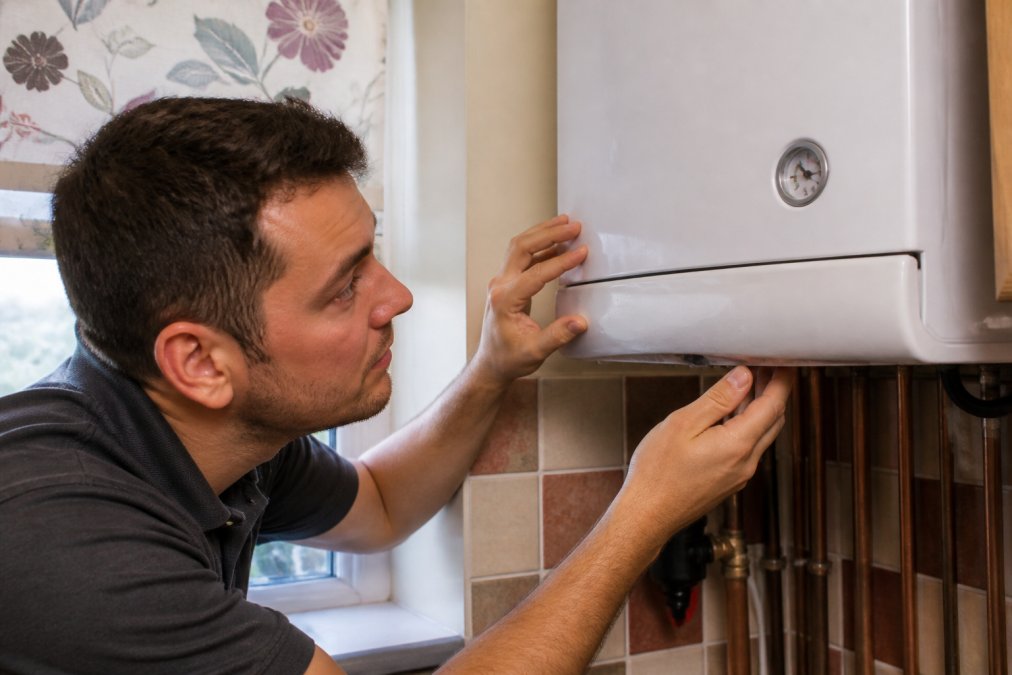
    Close-up of a homeowner's hands inspecting a white wall-mounted boiler for water droplets and damp patches, with a pressure gauge visible in the background, in a typical British kitchen
    Close-up of a homeowner’s hands inspecting a white wall-mounted boiler for water droplets and damp patches, with a pressure gauge visible in the background, in a typical British kitchen

    What You’ll Need Before You Start

    You need three things: a torch, a dry cloth or paper towel, and your boiler’s pressure gauge reading. No tools and no opening the boiler casing.

    Safety comes first. The Gas Safe Register guidance for homeowners is clear that any work inside the boiler casing is legally restricted to a registered engineer. Your job is inspection only: look, touch, and note. If you smell gas at any point, stop, open windows, and call the National Gas Emergency Service on 0800 111 999 from outside the property.

    Step 1: Visual Inspection of the Boiler Casing and Surrounding Area

    Start by looking at the boiler casing and the wall, floor, and cupboard around it. Water droplets, rust streaks, or a small puddle beneath the unit are the clearest early indicators of a leak.

    Work methodically:

    • Shine your torch along the bottom edge of the boiler, where water collects first
    • Check the wall directly below and to the sides for damp patches or bubbling paint
    • Look at the floor or shelf under the boiler for a puddle or water staining
    • Smell the area. A musty smell suggests long-term moisture behind the casing

    A dry water stain may be old; active droplets or a fresh puddle mean the leak is current. Note the location before you move on.

    Step 2: Check the Pressure Gauge and System Pressure

    The pressure gauge is your fastest diagnostic tool. On most sealed systems, the needle should sit between 1 and 1.5 bar when cold. If it drops below 1 bar and keeps falling after a top-up, water is escaping somewhere in the system.

    A pressure drop with no visible water inside the house usually points to a leak in the pipework under floors or in the boiler itself. Top up using the filling loop, then check again 24 hours later; a repeated drop is your answer.

    Step 3: Look for Damp Patches, Water Droplets and Corrosion

    Corrosion is the slow-burn version of a leak and causes more damage than a sudden drip. Look for white or greenish crusting around pipe connections, rust on the casing, and damp patches on ceilings below upstairs boilers.

    Pay attention to:

    • White limescale deposits around joints, which indicate a slow, long-standing weep
    • Rust-coloured staining on the casing or pipework
    • Damp patches on walls or ceilings that feel cold to the touch
    • Any gurgling sounds from the boiler, which can indicate air drawn in through a leak

    Moisture left unchecked corrodes the heat exchanger, and replacement often costs more than a new boiler, so catching corrosion early protects your system.

    Step 4: Inspect Pipe Connections, the Pressure Relief Valve and Condensate Pipe

    Three components cause most boiler leaks: pipe connections, the pressure relief valve, and the condensate pipe.

    Book a boiler repair or service →

    • Pipe connections: Run your fingers (with the cloth) along visible joints. A damp cloth after touching a joint means a weep.
    • Pressure relief valve: This valve discharges water through a copper pipe that exits the property, usually to an outside wall. If that pipe drips constantly, the valve is passing and needs replacing.
    • Condensate pipe: Modern condensing boilers drain acidic water through a plastic pipe. In winter it freezes and backs up, causing water to appear inside the boiler. A frozen condensate pipe is the most common “leak” we see in a cold snap, and rarely a real leak at all.
    Pro Tip
    Before you panic about water under the boiler, check the outside wall for the pressure relief discharge pipe. If that pipe is wet or dripping, the fault is the valve, not a burst pipe, and the repair is straightforward.

    Common Causes of Low Boiler Pressure and Leaks

    Low boiler pressure almost always means one of four things: a leak, a faulty pressure relief valve, trapped air, or a failed expansion vessel.

    The most common causes we find on call-outs are:

    • Corroded pipe connections weeping slowly over months
    • A pressure relief valve that has scaled up and no longer seals
    • A failed expansion vessel, which lets pressure swing wildly
    • A pinhole leak in hidden pipework under floors

    If you keep topping up the pressure and it keeps dropping, stop. Repeated topping introduces fresh oxygen and accelerates corrosion, so a professional assessment saves you money.

    Signs of Carbon Monoxide Leak from Boiler: What to Watch For

    A carbon monoxide leak is a different emergency from a water leak, and far more dangerous. Carbon monoxide is invisible and odourless, so you rely on physical clues and an alarm.

    Watch for these warning signs:

    • Soot marks or scorch marks around the boiler casing
    • A yellow or orange lazy flame instead of a crisp blue one
    • A musty or metallic smell near the boiler
    • Increased condensation on windows in the room
    • Headaches, dizziness, or nausea that ease when you leave the property

    If you suspect carbon monoxide, do not touch the boiler. Open windows and doors, leave the property, and call the gas emergency line. A NHS guide to carbon monoxide poisoning advises seeking urgent medical help if anyone in the household feels unwell. Every home with a gas boiler should have a working CO alarm, tested monthly.

    Emergency Boiler Repair Services: When to Call a Heating Engineer

    Most guides stop at “call a professional”, leaving you next to a dripping boiler with no idea what to do while you wait. The practical gap is stop-gap action: what you can safely do to limit damage, and what you must never touch.

    Immediate stop-gap actions while you wait

    If water is actively escaping, your first job is to reduce the flow without putting yourself at risk.

    • Isolate the water supply to the boiler. On most sealed systems there is a valve on the filling loop or the cold feed. Turn it clockwise until it stops, or isolate the mains stopcock instead. This slows the leak but does not drain the system.
    • Switch the boiler off at the control panel, not the fuse spur. If water is anywhere near electrics, do not touch the boiler at all.

    When it is a genuine emergency

    What to have ready when you call

    Watch Out
    Never attempt to open the boiler casing or tighten gas-side connections yourself. Beyond the safety risk, unauthorised work can invalidate your boiler warranty and your home insurance cover.

    Documenting the leak for insurance and warranty

    Temporary Mitigation Techniques and Insurance Implications

    Situation Immediate Action Who to Call Typical Urgency
    Water pouring from boiler Switch off, isolate supply Emergency engineer Same day
    Gas smell or CO signs Leave property, open windows National Gas Emergency Immediate
    Pressure drops repeatedly Note readings, stop topping up Heating engineer Within days
    Slow weep at a joint Towel and bucket Heating engineer Routine booking
    Frozen condensate pipe Thaw with warm water Heating engineer Same day in winter

    Visual Identification Guide by Boiler Type

    Combi boilers

    System boilers

    Conventional boilers

    Back boilers

    Using fault codes to speed diagnosis

    Pro Tip
    Take a photo of the fault code and the leak area before the engineer arrives. It helps with diagnosis and is useful for any insurance claim.

    Frequently Asked Questions

    Can I still use my boiler if it’s leaking?

    No. Turn the boiler off at the isolator switch and close the gas supply if you smell gas. A leaking boiler is a safety hazard because water near electrical components can cause shocks, and reduced system pressure may damage the heat exchanger. If you suspect a carbon monoxide leak, open windows, leave the property and call the National Gas Emergency Service on 0800 111 999. Contact a Gas Safe registered engineer for emergency boiler repair services before using the boiler again.

    How do I check my boiler for leaks safely?

    Carry out a visual inspection only. Look for water droplets, damp patches, corrosion or a puddle under the boiler casing. Check the pressure gauge: if system pressure has dropped below 1 bar, note it but do not attempt repairs. Do not remove the boiler casing or touch pipe connections. If you see soot marks, scorch marks or smell a musty odour, isolate the supply and call a heating engineer immediately.

    What are the signs of a carbon monoxide leak from a boiler?

    Watch for yellow or orange flames instead of blue, soot marks or scorch marks around the boiler casing, a musty or burning smell, and gurgling sounds from the condensate pipe. Physical symptoms include headaches, dizziness, nausea and breathlessness that ease when you leave the property. If you notice any of these signs of carbon monoxide leak from boiler, open windows, turn off the appliance, evacuate and call the National Gas Emergency Service on 0800 111 999.

    Can a leaking boiler cause low pressure?

    Yes. Common causes of low boiler pressure include leaks from the pressure relief valve, pump seals, heat exchanger or pipe connections. When water escapes, system pressure drops, often below 1 bar. You may need to top up via the filling loop, but if pressure keeps falling, a heating engineer must find and fix the leak. Repeated topping up without repair can introduce air and cause corrosion in the central heating system.

    Book online, it takes a minute →

  • How to Find a Reliable 24/7 Heating Engineer

    How to Find a Reliable 24/7 Heating Engineer

    Table of Contents

    Last Updated: September 8, 2026

    Why a Reliable 24/7 Heating Engineer Matters

    A boiler breakdown rarely waits for business hours. When it happens at 2am in mid-January, finding a reliable 24/7 heating engineer before you need one is the single best way to protect your home, your family, and your bank balance.

    The stress of an emergency often pushes homeowners into rushed decisions. Cold homes, worried children, and pressure from insurers can lead you to accept the first number you find online. Botched repairs, invalidated manufacturer guarantees, and repeat call-outs can cost far more than a proper fix.

    This guide walks through how to vet an emergency heating engineer, what questions to ask before they arrive, and how to spot the warning signs of an unreliable operator.

    How to Check a Gas Safe Registered Engineer

    A Gas Safe registered engineer check is the first and non-negotiable step before allowing anyone to touch your boiler. In the UK, it is illegal for an unregistered person to work on gas appliances. The Gas Safe Register is the official list of engineers legally qualified to do this work.

    Checking takes under a minute. Ask for the engineer’s Gas Safe ID card, which displays their licence number, photo, and the types of work they are qualified to carry out. Verify the details online using the register’s Gas Safe Register engineer lookup tool. You can search by business name or individual licence number.

    A common mistake is assuming a tradesperson who “looks the part” is properly registered. Many homeowners fall for polished websites and branded vans without ever verifying credentials. The Gas Safe Register’s guidance on finding a safe engineer stresses that checking the card in person matters because some operators trade under expired or borrowed registrations.

    The card should show the engineer’s photo matching the person at your door, their licence number, and the specific gas appliances they are qualified to work on. Boiler repairs require a different qualification than cooker installation, so confirm they are certified for your appliance type.

    Watch Out
    Never accept a verbal claim of registration. If the engineer cannot produce their Gas Safe ID card, do not let them work on your boiler. An unregistered repair is not just poor workmanship, it is a serious safety risk and can invalidate your home insurance.

    What to Expect from Emergency Boiler Repair Services

    Emergency boiler repair services differ from routine call-outs in several ways. A genuine 24/7 heating engineer operates outside normal business hours, so you pay for the convenience of immediate response. Expect a diagnostic assessment first, then a clear explanation of the fault and the proposed fix.

    When you call an emergency service, the process typically follows this pattern:

    1. Describe the symptoms you are experiencing, including any error codes on the boiler display
    2. Confirm your address and access arrangements for the engineer
    3. Receive an estimated arrival time and a call-out fee structure
    4. The engineer arrives, diagnoses the fault, and explains the repair options
    5. You approve the work and price before any repair begins

    A reliable emergency service will be transparent about what the call-out fee covers and what additional parts or labour will cost. They should also explain whether the repair carries a workmanship warranty, which protects you if the same fault recurs shortly after the fix.

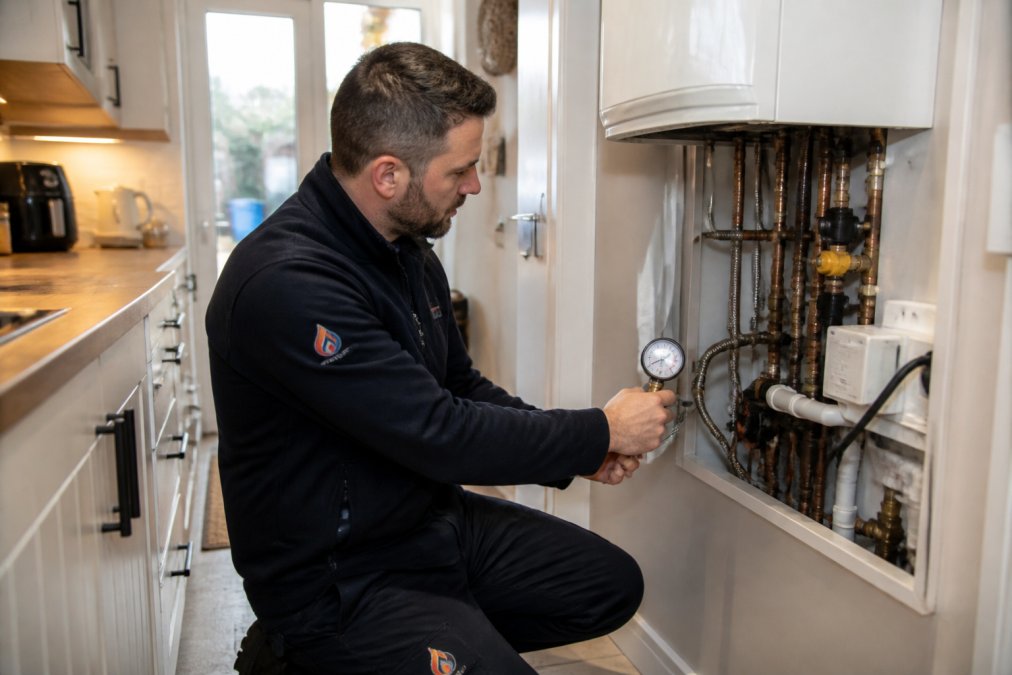
    A gas engineer in branded workwear kneeling beside a modern combi boiler in a bright kitchen, holding a pressure gauge and inspecting the pipework
    A gas engineer in branded workwear kneeling beside a modern combi boiler in a bright kitchen, holding a pressure gauge and inspecting the pipework

    Response times depend on your location and the time of day. Local engineers in Crawley, Redhill, and the surrounding Sussex towns can typically reach you faster than national call centres that dispatch work to subcontracted traders. When you contact a local firm directly, you speak to the people who will attend your property.

    Understanding Heating Engineer Call-Out Fees

    Emergency call-out pricing is where homeowners are most vulnerable to being overcharged. When your boiler fails at 11pm, you are not in a position to compare market rates. Knowing how emergency pricing works before you dial gives you the leverage to ask the right questions and avoid a shock on the final invoice.

    The Three Pricing Models You Will Encounter

    Most 24/7 heating engineers in the Sussex area use one of three pricing structures. Understanding which one you are being offered is the first step to a fair deal.

    1. Flat Call-Out Fee Plus Parts and Labour

    This is the most common model. You pay a fixed amount for the engineer to attend and diagnose the fault. The fee covers travel time, the first 30 minutes of diagnosis, and basic overheads. Any repair work is then quoted separately, with labour charged at an hourly rate plus parts.

    2. Fixed-Price Repair

    Some engineers offer a fixed price for common faults, such as a replacement thermocouple or a new pressure relief valve. This model is the most transparent because you know the total cost before work begins, and the engineer absorbs the risk if the job takes longer than expected. A reputable local firm will often quote a fixed price after a phone description of the symptoms, subject to visual confirmation on site.

    3. Time-and-Materials with No Call-Out Fee

    A less common model, sometimes used by larger firms, waives the call-out fee but charges a premium hourly rate from the moment the engineer leaves the depot. This suits simple repairs but becomes expensive if the fault is complex and requires multiple trips for parts.

    The Questions That Expose Hidden Charges

    The difference between a fair quote and price gouging often comes down to three specific questions. Ask them all before the engineer sets off.

    “Is your call-out fee deducted from the repair cost?”

    Some engineers deduct the call-out fee from the final bill if you proceed with the repair; others treat it as a separate, non-refundable charge. Neither approach is inherently unfair, but you need to know which applies before you commit. A £90 fee deducted from a £250 repair is effectively a £160 repair; added on top, it makes the repair £340.

    “What is your hourly rate after the first hour?”

    Call-out fees typically cover the first hour on site. If the repair runs longer, the clock starts ticking. A professional engineer will state their hourly rate clearly and without hesitation. If you hear “we will sort that out later” or “it depends on the fault,” treat that as a warning sign.

    See our boiler repair and servicing →

    “Are parts priced at trade or retail?”

    Engineers source parts at trade prices and typically add a markup. A markup is standard practice and covers the engineer’s sourcing time plus the warranty they offer. Ask for a breakdown of parts costs on the invoice and compare against retail prices online if concerned.

    The Regional Factor

    Emergency pricing varies by location. Engineers covering Crawley, Horsham, and the wider Sussex area face different travel distances and overheads than those in dense urban zones. A local engineer covering a compact radius around Crawley can often offer lower call-out fees than a firm dispatching from a distant depot. When you call, ask how far they are travelling, an engineer coming from 30 miles away will charge a higher fee or factor travel time into labour costs.

    Watch Out
    Be extremely cautious of any engineer who demands full payment in cash before starting work or who refuses to provide a written quote. Legitimate emergency engineers carry card machines and provide itemised invoices. Cash-only demands are a classic hallmark of unregistered operators who want to avoid a paper trail.

    What a Fair Emergency Invoice Looks Like

    A transparent invoice from a reliable 24/7 heating engineer in the Crawley area should include:

    • The call-out fee, clearly stated as a line item
    • Labour charges broken down by time on site
    • Parts listed individually with trade or retail pricing shown
    • VAT at the current rate
    • The workmanship warranty period (typically 12 months for parts and labour)
    • The engineer’s Gas Safe registration number

    If any of these elements are missing, ask for clarification before paying. A professional operation has nothing to hide and will happily explain every line item on the invoice.

    The Price of Cheap

    A suspiciously low quote is as much of a red flag as an inflated one. A suspiciously low call-out fee in the middle of winter should raise questions, how is the engineer covering fuel, insurance, and Gas Safe registration fees on that amount? The answer is often that they are not properly insured or registered, or they plan to recoup the shortfall through inflated parts prices. The cheapest quote is rarely the most cost-effective repair when you factor in the risk of poor workmanship and repeat call-outs.

    Questions to Ask Before They Arrive

    Once you have identified a potential engineer, a short phone conversation reveals a great deal about their professionalism and prevents misunderstandings before the visit.

    Start with the essentials:

    • “Are you Gas Safe registered, and what is your licence number?”
    • “What is your call-out fee, and is it deducted from the repair cost?”
    • “Can you give me an estimated arrival time, and will you call if you are delayed?”
    • “What qualifications do you hold for working on my type of boiler?”
    • “Do you carry public liability insurance?”
    • “What warranty do you offer on your repairs?”

    The responses tell you more than the answers themselves. A professional engineer answers confidently and without hesitation. Someone who stumbles, deflects, or becomes defensive when asked about Gas Safe registration is showing you a red flag.

    Response times also matter. An engineer who promises to arrive “sometime today” without committing to a window is not providing a genuine emergency service. Reliable 24/7 heating engineers offer specific arrival windows and communicate promptly if circumstances change.

    Red Flags and Post-Repair Safety Checks

    Spotting an unreliable engineer before they start work saves you from costly and dangerous mistakes. Several warning signs should end the conversation immediately, however desperate your situation feels.

    An engineer who pressures you into immediate decisions, demands cash payment upfront, or lacks proper identification is not someone you want working on your gas appliances. Be equally wary of anyone who quotes a suspiciously low price for a complex repair or claims your entire system needs replacing without showing evidence.

    After the repair, a few simple checks confirm the work was done properly. Ask to see the Gas Safe ID card again and verify the details match the person who attended. Request a written breakdown of the work performed, including parts replaced and warranty terms. A professional operation provides this documentation without hesitation.

    Post-repair safety checks are equally important. After the engineer leaves, monitor your boiler for a few days. Unusual noises, persistent error codes, or a return of the original symptoms indicate the repair was not effective. Most reputable engineers offer a workmanship warranty, so contact them promptly if problems recur rather than paying for another call-out.

    Key Takeaway
    A trustworthy engineer welcomes scrutiny. They carry their Gas Safe ID card, provide written quotes, explain their work clearly, and stand behind their repairs with a warranty. Any resistance to these basics is reason to find someone else.

    A Gascore Alternative for Annual Servicing

    Finding a reliable 24/7 heating engineer for emergencies is only half the battle. Regular annual servicing prevents many breakdowns in the first place. Homeowners in Sussex and Surrey searching for a Gascore alternative for annual servicing often discover that local engineers offer more accountability and personal service than national comparison platforms.

    Comparison sites connect you with engineers, but they rarely stand behind the quality of work. When you book directly with a local firm, the engineer who services your boiler is the same person who answers the phone when problems arise. This accountability matters when you need someone to return under warranty.

    An annual boiler service typically includes a full inspection, cleaning of key components, and a flue gas analysis to confirm safe operation. The engineer checks for potential faults before they become emergencies and provides documentation for your records. Landlords require this for gas safety certificates, but homeowners benefit equally from the peace of mind.

    Conclusion: Your Action Plan for Heating Emergencies

    Heating emergencies are stressful, but they do not have to result in poor decisions. By verifying Gas Safe registration, asking the right questions, and insisting on transparent pricing, you protect your home from cowboy operators and dangerous workmanship.

    Keep the number of a trusted local engineer saved in your phone before winter arrives. When the boiler fails at midnight, you want a number you can call with confidence, not a frantic internet search at 2am. Apex Gas & Heating Ltd offers a 24/7 emergency call-out service across Sussex and Surrey, with approved Glowworm and Worcester Installers, full public liability insurance, and transparent pricing. Our locally recognised team provides fast response times and reliable workmanship you can trust.

    Get a quote from Apex Gas & Heating Ltd and arrange your annual service before the cold weather hits. A warm, safe home starts with the right engineer on your side.

    Frequently Asked Questions

    How can I verify if an engineer is Gas Safe registered?

    Ask for their Gas Safe register number and check it on the official Gas Safe Register website. The site lets you search by the engineer’s name or their business details to confirm their qualifications are current. You can also text ‘Gas’ to 85080 with their number to check. A legitimate engineer will be happy to provide this information; refusal is a major red flag.

    What should I ask a 24/7 heating engineer before they arrive?

    Confirm their call-out fee and what it covers, their estimated arrival time, and whether they carry common spare parts. Ask if they are Gas Safe registered and if their work comes with a guarantee. Also, ask if the quoted price is fixed or if it could change based on the fault. Getting these details in writing beforehand helps avoid surprises.

    What does a heating engineer call-out fee typically include?

    A call-out fee generally covers the engineer’s travel time and the initial diagnostic assessment of your boiler or heating system. It does not usually include the cost of parts or the labour required for the actual repair. Always ask what the fee includes and whether it will be deducted from the total cost if you proceed with the repair through that company.

    Why should I consider a local engineer instead of a national call centre?

    A local engineer typically offers faster response times because they are already in your area. They also have a reputation to maintain within the community, which often translates to more accountable service. You can usually find verified reviews from neighbours, and they are more likely to be familiar with the common boiler models and heating systems installed in homes across Sussex and Surrey.

    Book your visit online →