







Last Updated: October 30, 2026
Quick Summary
Your toilet fill valve needs replacing if the toilet keeps running or dripping after the flush, you hear hissing or whistling from the cistern, the refill is weak or slow, water trickles into the pan, the cistern overfills, or the valve body shows rust, limescale or cracks. A valve more than five years old that starts to misbehave is also a strong sign.
- Test the valve in about five minutes with no tools beyond a torch.
- Press the flapper gently: if the running stops, the flapper is worn, not the valve.
- Turn off the water at the isolation valve or stopcock before replacing the part.
- Over-tightening the plastic nut is the most common way to crack a new valve.
- Call a plumber if the isolation valve won’t shut off or the cistern is cracked.
Table of Contents
- The Warning Signs Your Toilet Fill Valve Needs Replacing
- How to Test a Toilet Fill Valve in Five Minutes
- Toilet Fill Valve or Flapper Problem: How to Tell the Difference
- Why Your Toilet Keeps Running After Flushing
- How to Replace a Toilet Fill Valve Safely
- When to Call a Plumber Instead of Doing It Yourself
- Book a Plumbing Visit to Fix Your Toilet for Good
- Frequently Asked Questions
The Warning Signs Your Toilet Fill Valve Needs Replacing
A toilet fill valve is the mechanism inside the cistern that refills it with water after every flush. When it starts to fail, the signs are usually easy to spot once you know what to look for, and catching them early saves water and avoids a bigger repair. This guide walks through the symptoms, the five-minute test, and when to replace the part. A worn fill valve can waste a surprising amount of water and keep you awake at night.
Watch for these signs your toilet fill valve needs replacing:
- Constant running or dripping after the flush has finished
- A hissing or whistling noise coming from the cistern
- Weak or slow refill, so the flush feels underpowered
- Water trickling into the pan long after the flush
- The cistern overfilling or water reaching the overflow
- Rust, limescale, or cracks on the valve body
- The valve is more than five years old and starting to misbehave
The most reliable signal is a toilet that keeps running after flushing. For a full troubleshooting guide to confirm what is wrong, see our dedicated page. If you hear water moving when nobody has touched the loo, the fill valve is the usual suspect.
How to Test a Toilet Fill Valve in Five Minutes
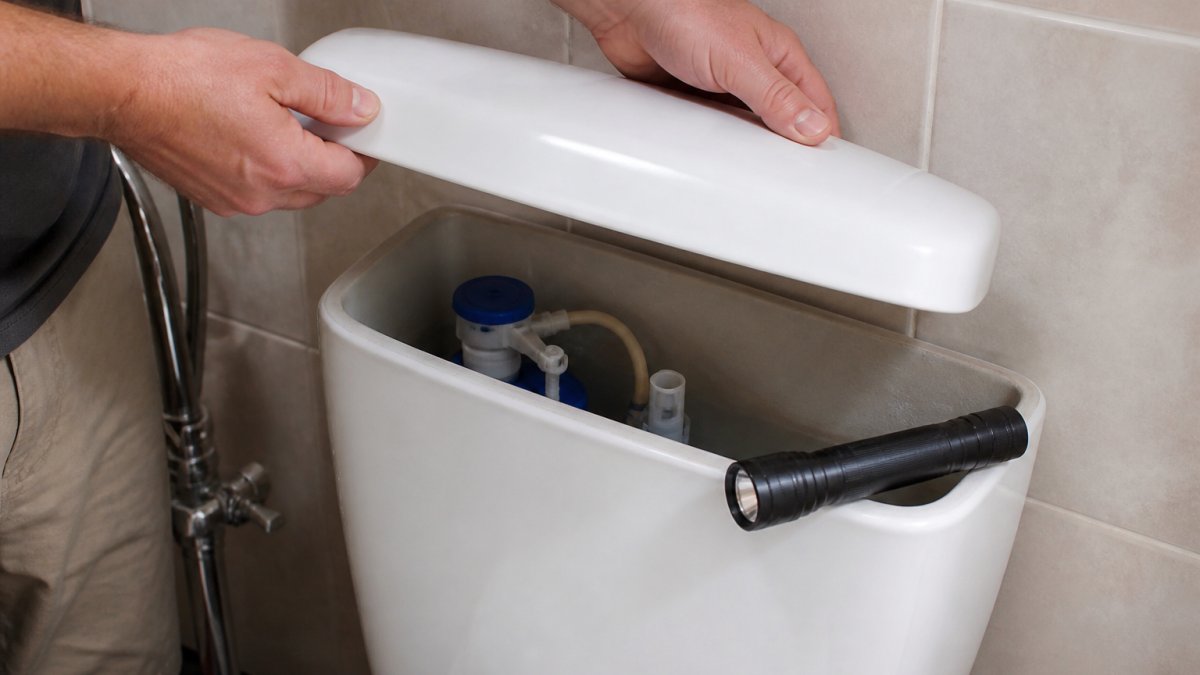
Testing a toilet fill valve takes about five minutes with no tools beyond a torch. The test tells you whether the valve is shutting off cleanly or letting water pass through when it shouldn’t.
- Lift the cistern lid and set it somewhere safe.
- Flush the toilet and watch the water level drop.
- Watch the refill. Water should rise and stop at the marked water line.
- Listen after it stops. Silence is good. Hissing or trickling means a leak.
- Check the overflow. If water reaches the overflow pipe, the valve is overfilling.
- Look at the valve body for scale, rust, or cracks.
If the water keeps rising past the line, or you hear water moving after the cistern should be full, the valve is the problem.
Toilet Fill Valve or Flapper Problem: How to Tell the Difference
A toilet fill valve or flapper problem can look almost identical from the outside, but they fail in different ways. The fill valve controls the water coming in. The flapper is the rubber seal that holds water in the cistern until you flush.
Here’s the quick way to tell them apart:
| Symptom | Likely Fill Valve | Likely Flapper |
|---|---|---|
| Water runs constantly after flush | Yes | Yes |
| Hissing from the cistern | Yes | No |
| Cistern overfills | Yes | No |
| Water trickles into the pan | Sometimes | Yes |
| Weak flush, slow refill | Yes | No |
A simple test: press gently on the flapper with a finger or the handle of a spoon. If the running stops, the flapper is worn. If it keeps running, the fill valve is the culprit. Flappers are the cheaper and easier part to swap, so it’s worth ruling them out first.
Why Your Toilet Keeps Running After Flushing
A toilet that keeps running after flushing is nearly always a fill valve that can’t seal properly. Limescale builds up on the seal, grit gets trapped, or the float mechanism loses its adjustment. In older valves, the internal washer hardens and stops making a clean contact.
The waste adds up quietly. A running toilet can send litres of water down the drain every hour, which shows on your water bill and can be heard through the house at night. Fixing it early is far cheaper than ignoring it.
A common mistake is turning the isolation valve down to reduce the noise. That doesn’t fix the seal, it just hides the symptom while the valve keeps leaking.
How to Replace a Toilet Fill Valve Safely
Here’s the process we’d follow:
- Turn off the water at the isolation valve or the stopcock.
- Flush the toilet to empty the cistern, then sponge out the rest.
- Disconnect the supply pipe from the base of the valve.
- Loosen the locking nut and lift the old valve out.
- Clean the seating area and fit the new valve, following the maker’s instructions.
- Reconnect the supply, turn the water back on, and check for leaks.
- Adjust the float so the water stops at the correct line.
Watch out: over-tightening the plastic nut is the most common way to crack a new valve. Hand-tight plus a quarter turn is usually enough.
When to Call a Plumber Instead of Doing It Yourself
Call a plumber when the isolation valve won’t shut off, the supply pipe is seized, or the cistern is cracked around the valve seating. Those situations turn a small job into a water leak, and that’s when a professional visit pays for itself. If you’ve replaced the valve and the toilet still runs, the fault may sit elsewhere in the cistern or the supply.
Our plumbing services cover this kind of work if you’d rather not tackle it yourself.
Book a Plumbing Visit to Fix Your Toilet for Good
A running toilet is one of those jobs that feels small until the water bill arrives. If the signs point to a worn fill valve and you’d rather have it sorted properly, our Gas Safe registered engineers can take a look and put it right.
We offer fixed-price quotes, a 2-year workmanship guarantee, and a 24/7 emergency call-out service. A quick visit now beats a bigger repair later.
Get a quote from Apex Gas & Heating Ltd and get your toilet running quietly again.
Frequently Asked Questions
What are the signs of a faulty toilet fill valve?
The most common signs are a constant hissing or trickling sound after the flush, water continuing to run into the pan when the toilet is not in use, the cistern taking far longer to refill than it used to, and the flush becoming weak. You may also notice the water level in the cistern sitting too high or too low, or the valve failing to shut off at all. Any of these points to wear inside the valve mechanism, and it is worth testing the valve before the problem worsens.
Can a toilet fill valve be repaired, or does it need replacing?
In most cases the valve needs replacing rather than repairing. Fill valves are inexpensive parts and the internal seals and washers wear out over time, so a repair rarely lasts. If you have already adjusted the float arm or cleaned the valve and the toilet still runs, a replacement is the sensible route. A plumber can confirm whether the valve or another component such as the flush valve seal is the actual cause before any work is carried out.
How do I check whether the fill valve or flapper is causing a running toilet?
Turn off the water supply to the cistern and note the water level. If it drops overnight, the flapper or flush valve seal is letting water past. If the level holds but the toilet runs only when the supply is on, the fill valve is the likely culprit. You can also add a few drops of food colouring to the cistern water and check the pan after 20 minutes without flushing. Colour in the pan means water is escaping past the flush valve, not the fill valve.
How long does a toilet fill valve usually last?
A fill valve typically lasts somewhere between five and ten years, depending on water hardness and how often the toilet is used. Valves in hard water areas tend to fail sooner because limescale builds up on the internal seals. If your valve is approaching that age and you are already hearing noise or seeing slow refills, replacing it is a sensible precaution rather than waiting for it to fail completely.
