









Table of Contents
- Why Older Homes Need Different Boiler Considerations
- Boiler Types Explained for Period Properties
- Using a Boiler Size Calculator to Match Your Property
- Assessing Your Home’s Existing Infrastructure
- Boiler Replacement Checklist Before Installation
- New Boiler Installation Time and What to Expect
- Frequently Asked Questions
Last Updated: October 16, 2026
Why Older Homes Need Different Boiler Considerations
Older properties present unique heating challenges. Period homes often have different infrastructure, layout, and insulation levels compared to modern builds. When you’re deciding how to choose a new boiler for older homes, you need to account for these differences from the start.
The main issue is that older properties weren’t designed with modern boiler systems in mind. Your home might have a traditional heating layout with multiple radiators spread across different floors. The pipework could be copper, steel, or even lead in some cases. Your water pressure might be lower than in newer homes. These factors all influence which boiler type will work best.
At Apex Gas & Heating Ltd, we’ve helped countless homeowners in older properties select the right boiler. What we’ve learned is that a boiler that works perfectly in a new-build might struggle in a period home. The reverse is also true, a system designed for older properties might be overkill for a smaller modern flat.
Understanding your home’s existing setup is crucial. You’ll need to assess your current pipework, water pressure, and heating demands before you can choose effectively. This guide covers everything you need to know about selecting a new boiler for older homes.
Boiler Types Explained for Period Properties
Different boiler types suit different homes. Your choice depends on your existing infrastructure, hot water needs, and available space. Let’s break down the three main options.
Conventional Boilers
A conventional boiler is a system that heats water in a separate tank and stores it for use throughout your home. It works alongside a hot water cylinder, which means you have hot water on demand even when the heating isn’t running.
Conventional boilers suit older properties well because they work with existing infrastructure. If your home already has a hot water cylinder and a separate cold water tank in the loft, a conventional boiler slots into that setup with minimal changes. They handle high water demand without pressure loss, which matters if you have multiple bathrooms.
The trade-off is space. You’ll need room for the boiler, the hot water cylinder, and the cold water tank. Older homes often have airing cupboards or utility rooms that accommodate these components, so this usually isn’t a problem.
System Boilers
A system boiler heats water and stores it in a cylinder, but it doesn’t need a separate cold water tank in the loft. The mains water supply feeds the system directly. This reduces the components you need to install and maintain.
System boilers work well in period properties where you want to reclaim loft space or avoid installing additional tanks. They’re more efficient than conventional boilers and integrate better with modern heating controls. You still need space for a hot water cylinder, but that’s often manageable in older homes.
The downside is that system boilers depend on mains water pressure. If your water pressure is low, a system boiler might not perform as well as a conventional setup.
Combi Boilers
A combi boiler heats water on demand without storing it. You get instant hot water from the tap and the boiler also heats your radiators. No cylinder, no tank, just the boiler itself.
Combi boilers save space, which appeals to homeowners with smaller period properties. They’re efficient and straightforward to install. However, they struggle in homes with high hot water demand or low mains pressure. If you have multiple bathrooms and people running hot water simultaneously, a combi might not keep up.
In older properties with lower water pressure, a combi boiler can be problematic. You might find that running a bath and a shower at the same time reduces the flow to a trickle.
Using a Boiler Size Calculator to Match Your Property
Selecting the right boiler size is essential. An oversized boiler wastes energy and money. An undersized one won’t heat your home properly or meet your hot water needs.
A boiler size calculator helps you determine the right output for your property. These tools consider your home’s size, number of radiators, number of bathrooms, and insulation level. The result is measured in kilowatts (kW).
Most older homes need a boiler within a certain kW range. Smaller period properties might need a lower kW output, while larger Victorian or Edwardian homes could need a higher one. These are rough guides, your actual needs depend on your specific property.
You can find boiler size calculators online, or you can ask a Gas Safe registered engineer to assess your home. A professional assessment is more accurate because engineers account for factors like wall thickness, window quality, and existing heating patterns in your property.
Assessing Your Home’s Existing Infrastructure
Before you commit to a boiler type, examine what you already have in place. Your existing infrastructure will either support or constrain your options.
Check your water pressure first. Turn on a hot tap and see how quickly the flow reaches full strength. If it takes several seconds or the flow is weak, you have low pressure. This rules out combi boilers and might make system boilers less suitable. Conventional boilers handle low pressure better because they store hot water.
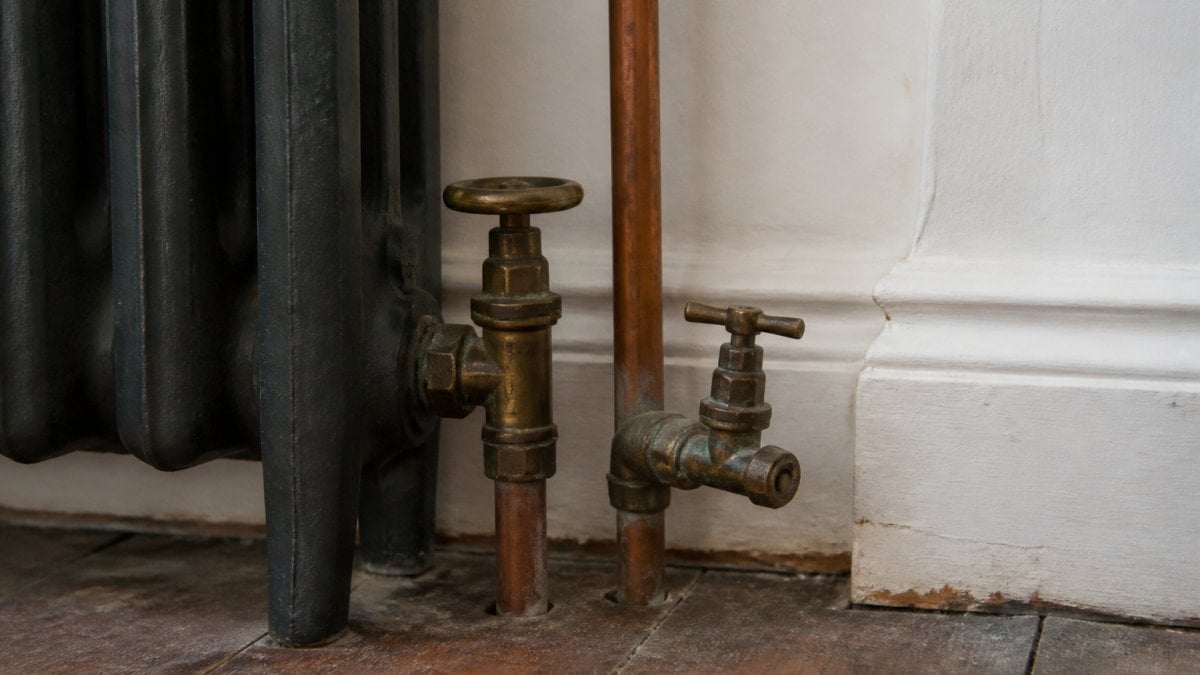
Look at your current heating system. Do you have a hot water cylinder? Is there a cold water tank in the loft? What’s your pipework made of? Older homes often have copper pipework, which is fine, but some Victorian properties have lead pipes. Lead pipes don’t affect boiler choice directly, but they’re a health concern and may need replacement during installation.
Count your radiators and note their condition. Older radiators often need bleeding (releasing trapped air) to work efficiently. If many radiators are cold at the ends, that’s a sign of sludge build-up in the system. A power flush before installing a new boiler can resolve this.
Check your boiler location. Is it in a kitchen, utility room, or garage? Space constraints might rule out conventional or system boilers if you don’t have room for a cylinder. Combi boilers fit almost anywhere because they’re compact.
Ask yourself about hot water demand. How many people live in your home? How many bathrooms do you have? Do people shower and use hot water simultaneously? Homes with high demand need either a conventional boiler with a large cylinder or a system boiler. Combi boilers work for one or two people in a small property.
Boiler Replacement Checklist Before Installation
Before you contact an installer, work through this checklist. It ensures you’ve considered everything and can make an informed decision.
- Assessed your current water pressure (high, medium, or low)
- Checked your loft for a cold water tank and airing cupboard space
- Counted your radiators and noted any that aren’t heating properly
- Identified your boiler location and confirmed space availability
- Determined your hot water demand (number of people and bathrooms)
- Calculated your approximate boiler size using an online calculator
- Decided whether you prefer a conventional, system, or combi boiler
- Confirmed your heating pipework material (copper, steel, or other)
- Noted any existing heating controls you want to keep
- Checked whether your home has any listed building restrictions
- Obtained quotes from Gas Safe registered engineers
- Verified the engineer’s accreditations and insurance
This checklist helps you prepare for conversations with installers. You’ll ask better questions and understand the recommendations you receive.
New Boiler Installation Time and What to Expect
Installing a new boiler typically takes one to three days, depending on the boiler type and your home’s setup. A combi boiler installation might take just one day. A conventional boiler with a new cylinder could take two to three days.
On installation day, the engineer will isolate your old boiler and drain the system. They’ll remove the old boiler and prepare the space for the new one. If you’re changing boiler type, they might need to install new pipework or modify existing connections.
The engineer will fit the new boiler, connect it to your heating system, and test everything. They’ll check for leaks, bleed air from the system, and verify that all radiators heat properly. They’ll also show you how to use the new boiler’s controls.
After installation, your engineer should provide you with a certificate showing that the work complies with building regulations. They’ll also leave you with a manual and warranty details.
Some installations require additional work. If your system needs a power flush to remove sludge, that adds a day. If you’re upgrading your heating controls or adding a new cylinder, that extends the timeline. Your engineer will explain any additional work needed before they start.
Apex Gas & Heating Ltd provides fixed-price quotes so you know the cost upfront. Our Gas Safe registered engineers handle the entire process, from assessment to final testing. We offer a 2-year workmanship guarantee on all installations, giving you peace of mind that the job is done properly.
Choosing a new boiler for older homes requires careful thought about your property’s unique characteristics. Your water pressure, existing infrastructure, space constraints, and hot water demand all influence which boiler type suits you best. Taking time to assess your home and understand your options means you’ll select a boiler that performs reliably for years to come. Get in touch with Apex Gas & Heating Ltd for a professional assessment and fixed-price quote. Our Gas Safe registered engineers are approved installers for Worcester Bosch, Baxi, Glow-worm and Vaillant, and we handle everything from initial survey through to commissioning and ongoing support.
Frequently Asked Questions
Which type of boiler is best for an older home?
The best boiler depends on your existing infrastructure. Conventional boilers work well if you have a separate hot water cylinder and loft tank. System boilers suit homes with limited space but existing hot water storage. Combi boilers are ideal for smaller period properties without room for cylinders, though they work best with good water pressure. A Gas Safe registered engineer can assess your property and recommend the most suitable option for your circumstances.
How do I know what size boiler my home needs?
Boiler size is measured in kilowatts (kW) and depends on the number of radiators, bathrooms, and how much hot water you use simultaneously. A rough guide: homes with 1-2 bathrooms typically need a certain kW output, while larger properties need a higher one. Using a boiler size calculator, or having an engineer perform a heat loss calculation, ensures you choose correctly. An oversized boiler wastes energy; an undersized one struggles to meet demand, particularly in older homes with poor insulation.
Can I keep my existing radiators when replacing a boiler in an older property?
Yes, in most cases you can retain your existing radiators. Older cast-iron radiators are durable and compatible with modern boilers. However, your engineer should check the system’s pressure rating and condition during the boiler replacement checklist. If radiators are corroded or leaking, they may need flushing or replacement. The pipework connecting them should also be inspected to ensure it’s safe and efficient with your new boiler.
How long does a new boiler installation take in an older home?
Standard new boiler installation time typically ranges from 1 to 3 days, depending on your property’s complexity. Older homes may take longer if pipework needs upgrading, the installation location changes, or additional work is discovered during the process. Your engineer will discuss the timeline before work begins. Most straightforward replacements are completed within a single day, though system modifications may extend this. Always ask for a realistic schedule when booking your installation.
Leave a Reply