








Rated Excellent Rating Gas Safe Registered BPEC Certified 25 Years’ Experience 2 Year Guarantee Card Payments AcceptedApple Pay, Mastercard, Visa, Amex, Google Pay Worcester BoschVaillantBaxiGlow-wormAccredited

Tag: how long does a power flush take

  • Signs Your Radiators Need Power Flushing

    Signs Your Radiators Need Power Flushing

    Table of Contents

    Last Updated: September 18, 2026

    What Is a Power Flush and Why It Matters

    A power flush is a professional cleaning process that removes sludge, magnetite, and corrosion deposits from your central heating system. Over time, these contaminants build up inside your pipes, radiators, and boiler, restricting water flow and reducing heating efficiency.

    At Apex Gas & Heating Ltd, we see this problem regularly across Sussex and Surrey properties. The debris circulates through your system, settling in radiators and the heat exchanger. This causes cold spots, poor heating performance, and eventually boiler breakdowns.

    The process uses specialist equipment to force cleaning chemicals and water through your entire heating circuit at high pressure. This dislodges the accumulated sludge and flushes it out safely. A magnetic filter then captures any remaining particles before they can cause further damage.

    Think of it like a deep clean for your heating system. Without it, your boiler works harder, uses more energy, and fails sooner.

    Cold Spots on Radiators: A Clear Warning Sign

    Cold spots on radiators are one of the most obvious signs your radiators need power flushing. If the bottom of a radiator stays cold while the top warms up, sludge is blocking the water flow inside.
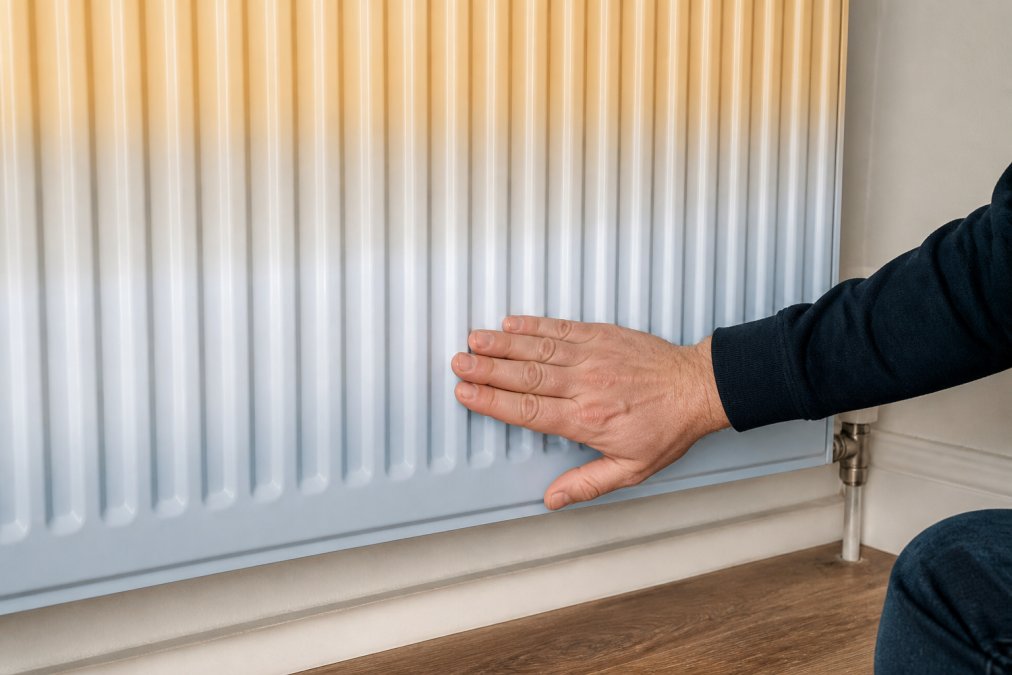
    Close-up of a hand touching the bottom half of a radiator showing cold spots while the top section is warm, demonstrating uneven heat distribution in a domestic setting
    Close-up of a hand touching the bottom half of a radiator showing cold spots while the top section is warm, demonstrating uneven heat distribution in a domestic setting

    This happens because sludge settles at the lowest point of each radiator. The hot water enters at the top but cannot reach the bottom section. You’ll notice one radiator cold, or multiple radiators affected unevenly across your home.

    Bleeding your radiators might help temporarily. You release trapped air, and the radiator warms briefly. But if it goes cold again within days or weeks, the problem is sludge, not air. Repeated bleeding is a sign you need professional help.

    A power flush clears these blockages completely. Water flows freely through every radiator again, heating your home evenly.

    Central Heating Sludge Symptoms You Shouldn’t Ignore

    Central heating sludge builds up silently for years. Early signs are easy to miss, but catching them early saves money and prevents emergencies.

    Common central heating sludge symptoms include:

    • Radiators need frequent bleeding (more than once a year)
    • Uneven heating between rooms
    • Boiler making unusual noises or struggling to start
    • Water coming out black or discoloured when you bleed radiators
    • Heating takes longer to reach comfortable temperatures
    • Some radiators stay cold no matter how high you set the thermostat

    Black or dark grey water when bleeding a radiator is a clear indicator. This discoloured water contains magnetite and corrosion particles. If you see this, your system contamination is significant.

    Sludge also reduces system pressure. Your boiler pressure gauge may drop faster than normal. You’ll find yourself topping up the system more often than you should.

    Left untreated, sludge eventually blocks the pump or damages the heat exchanger. At that point, you’re facing expensive repairs or a full boiler replacement.

    Other Signs Your System Needs Attention

    Slow Heating and Poor System Efficiency

    When your central heating system takes ages to warm up, or rooms stay cold despite high thermostat settings, sludge is often the culprit. Contaminated water circulates slowly through blocked pipes and radiators.

    Your boiler works harder to push water through the debris. This increases fuel consumption and your energy bills. Over a heating season, the extra cost adds up significantly.

    Poor system efficiency also affects comfort. You’re paying more to stay cold. A power flush restores normal water circulation and heating performance within hours.

    Noisy Boiler and Unusual Heating Sounds

    A boiler that kettles, bangs, or grinds is struggling. These noises usually mean sludge is causing turbulence in the system or blocking the heat exchanger.

    Kettling sounds like a kettle coming to boil inside your boiler. Banging occurs when pressure builds behind blockages. Both indicate your boiler is working against resistance it shouldn’t face.

    These noises are early warnings. Ignoring them leads to component failure. A power flush removes the obstruction and stops the noise.

    Frequent Radiator Bleeding and Discoloured Water

    If you’re bleeding radiators more than once a year, your system is collecting air consistently. This happens when sludge creates turbulence and causes air pockets to form.

    Each time you bleed, you release trapped air. But the sludge causing the air pockets remains. The air comes back.

    Discoloured water, black, brown, or grey, confirms sludge contamination. Clean systems produce clear water. Dark water means magnetite and corrosion particles are circulating.

    Frequent bleeding combined with discoloured water is a strong indicator that radiators need power flushing.

    How Long Does a Power Flush Take

    A typical power flush takes between 4 to 8 hours, but the actual duration depends on several factors specific to your heating system. Your engineer will confirm the timeframe during an initial assessment.

    Variables that affect duration:

    • System size: A small flat with 4-6 radiators may complete in 4 hours. A three-bedroom house with 10-12 radiators typically takes 6-8 hours. Larger properties or those with multiple zones can extend beyond 8 hours.
    • Contamination level: Systems with light sludge (caught early) flush faster. Heavily contaminated systems, where black water continues to discharge after several hours, require extended circulation and multiple chemical passes.
    • Pipe configuration: Older microbore systems (narrow-bore copper pipework common in properties built before the 1990s) restrict flow and take longer to clear than modern 15mm or 22mm pipework. Gravity-fed systems (where the boiler relies on natural convection rather than a pump) cannot be power flushed safely due to pressure incompatibility; these require alternative cleaning methods.
    • System age and condition: Systems with corroded sections or partially blocked valves may need isolation or replacement during the flush, adding time.

    What happens during the process:

    The engineer first isolates your system and connects specialist flushing equipment to the heating circuit. Initial circulation with cleaning chemicals typically takes 1-2 hours. The engineer monitors water colour and pressure throughout. As sludge dislodges, the discharge water changes from black to grey to brown to clear, this visual progression indicates progress.

    Once water runs clear, the system is flushed with clean water for a final rinse (30-60 minutes). The engineer then refills the system, bleeds air from radiators and the boiler, and tests pressure and temperature at multiple points.

    Planning around downtime:

    Your heating system will be offline during the entire flush. If you have young children, elderly relatives, or health conditions sensitive to cold, schedule the work during warmer months (April-September) or ensure alternative heating is available. Some engineers can complete work early morning to minimise disruption.

    After completion, allow 24 hours before the system reaches full efficiency. Radiators may heat unevenly for the first few hours as air pockets settle and inhibitor circulates.

    Benefits of Power Flushing Central Heating Systems

    Power flushing delivers measurable improvements to your home comfort and system reliability.

    Key benefits include:

    • Even heating throughout your home
    • Faster warm-up times
    • Reduced boiler noise and strain
    • Lower energy bills from improved efficiency
    • Extended boiler lifespan
    • Fewer breakdowns and emergency repairs
    • Better water quality in the system
    • Restored system pressure stability

    The most noticeable benefit is comfort. Every radiator heats properly. No more cold bedrooms or uneven temperatures between floors.

    System reliability improves significantly.

    DIY Versus Professional Power Flushing: What You Need to Know

    Power flushing is not a DIY undertaking. The risks to your heating system, boiler, and warranty are substantial, and the equipment and expertise required are beyond domestic reach.

    Why professional flushing is essential:

    When professional flushing is genuinely necessary:

    Alternative to power flushing: Magnetic filtration:

    What a professional engineer does that DIY cannot replicate:

    • Assesses your specific system type (microbore, standard, gravity-fed, combi) and determines safe flushing parameters
    • Tests water quality before and after to confirm contamination levels and chemical neutrality
    • Monitors pressure continuously and adjusts flow to prevent damage
    • Identifies additional issues (leaks, failing valves, corroded sections) during the flush
    • Adds system inhibitor correctly and documents the work for warranty purposes
    • Provides a certificate of completion, which some insurers and future buyers may request

    Protecting Your System After a Power Flush

    After power flushing, your system is clean but vulnerable. Sludge can form again without preventative measures.

    Essential post-flush protection:

    • Add a system inhibitor to the water
    • Install a magnetic filter if not already present
    • Maintain regular boiler servicing
    • Bleed radiators only when necessary
    • Monitor system pressure monthly
    • Schedule annual servicing

    Frequently Asked Questions

    What are the most common signs that radiators need power flushing?

    The clearest indicators include cold spots at the bottom of radiators whilst the top remains warm, slow heating throughout your home, discoloured or black water when bleeding radiators, and unusual noises from your boiler. If you’re frequently bleeding radiators to maintain pressure or notice your energy bills rising without explanation, your central heating system likely has sludge build-up requiring professional attention.

    How long does a power flush take to complete?

    A typical power flush takes between 4 to 8 hours, depending on your system’s size and the extent of contamination. Larger properties or systems with significant sludge accumulation may require longer. Most installations can be completed in a single working day, though your engineer will confirm the timeframe during an initial assessment of your central heating pipework and radiator configuration.

    What are the main benefits of power flushing central heating?

    Power flushing removes magnetite and corrosion deposits that restrict water flow, restoring heating efficiency and reducing energy bills. It eliminates cold spots on radiators, extends boiler lifespan by reducing strain on the pump, and improves overall system performance. The process also prevents future blockages and pump failures, meaning fewer breakdowns and lower maintenance costs over time.

    Is power flushing safe for older heating systems?

    Power flushing can benefit older systems, but compatibility depends on pipe condition and system age. Systems over 15 years old may have corroded pipework that could be damaged by the high-pressure flush. A qualified engineer should inspect your system first to assess whether power flushing is suitable or if alternative chemical cleaning methods would be safer. Always use a professional service to evaluate your specific central heating setup.


    If your radiators show cold spots, your water looks discoloured, or your boiler sounds strained, your system likely needs professional attention. Apex Gas & Heating Ltd provides expert power flushing and boiler servicing across Sussex and Surrey. Our approved engineers restore heating efficiency and protect your system long-term. Get a quote today and stop paying to stay cold.
    Get your boiler looked at →

  • Is It Safe to Power Flush Old Radiators? Crawley Guide

    Is It Safe to Power Flush Old Radiators? Crawley Guide

    Table of Contents

    Last Updated: September 14, 2026

    Signs Your Central Heating Needs a Power Flush

    Is it safe to power flush old radiators? Often yes, but it depends on the condition of your system when you power flush old radiators. A power flush on a sound but sludged-up system is routine; on a corroded, ageing system it can turn a slow radiator into a leaking one. At Apex Gas & Heating Ltd, we assess the system before connecting a flushing machine, because the risk lies in the state of the pipework, not the method.

    A power flush is a process that removes sludge, magnetite and scale from a central heating system by circulating cleaning chemicals at high velocity through the heating circuit.

    Signs a flush may be needed:

    • Cold spots at the bottom of radiators while the top stays hot
    • Radiators that need bleeding repeatedly through the season
    • A boiler that reaches temperature slowly or cuts out early
    • Noisy pipework or a pump that sounds like it is straining
    • Discoloured water when you bleed a radiator
    • Uneven heating between upstairs and downstairs

    If two or more of these sound familiar, sludge is likely restricting flow. The next question is whether your radiators can take the pressure of clearing it.

    How Power Flushing Works and Why It Can Be Risky on Old Radiators

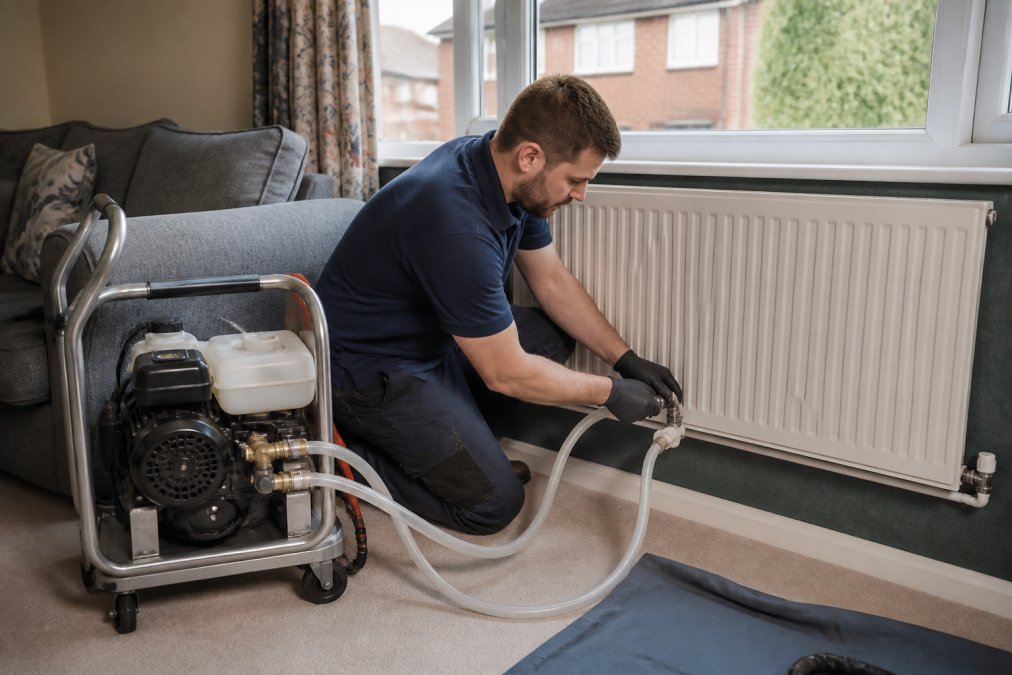
    A power flush connects a pumping unit to the heating circuit and forces water and cleaning chemicals through at a higher velocity than the boiler’s own pump can manage. The flow is reversed repeatedly to lift debris from radiator bases and pipe runs, and contaminated water goes to a waste pipe rather than back around the circuit.

    A heating engineer in uniform connecting a power flushing machine to a radiator valve in a typical British home, with hoses and a pump visible on the carpet, natural daylight through the window
    A heating engineer in uniform connecting a power flushing machine to a radiator valve in a typical British home, with hoses and a pump visible on the carpet, natural daylight through the window

    The Power Flushing Process

    1. A heating engineer isolates the boiler and connects the flushing machine to the system
    2. Cleaning chemicals are circulated and the flow is reversed to dislodge sludge
    3. Debris is flushed out through a waste pipe until the water runs clear
    4. The system is rinsed, then dosed with inhibitor and checked for leaks

    Why Older Systems Are More Vulnerable

    Older heating circuits have thinner pipe walls and more joints. Corrosion weakens metal from the inside and scale hides the damage, so when a flush removes that debris, a joint sealed only by sludge can start to weep. Microbore pipework, common in older properties, is especially prone to blocking and damage from aggressive flushing, which is why an inspection and pressure check come before any machine is connected.

    Watch Out
    Flushing a system with existing leaks or heavily corroded pipework can turn a weeping joint into a burst one. If a system has not been checked first, the cost of the flush is nothing next to the cost of the repair that follows.

    Power Flush vs Chemical Flush: Which Is Safer for Old Radiators?

    A chemical flush is gentler on old radiators; a power flush is more thorough. The right answer depends on your system’s condition, your radiator material, and how much sludge you are dealing with.

    A chemical flush relies on cleaning chemicals circulating at normal pump pressure, loosening sludge over days or weeks before the system is drained and refilled. With no reversing flow or high-velocity agitation, there is far less stress on ageing joints, making it safer for microbore pipework, thin-walled radiators or a history of leaks. It is slower, though, and may not clear heavy magnetite deposits, especially in cast iron radiators where debris collects in the base sections.

    A power flush pushes water through at speed, clearing more debris but straining the heating circuit. For a sound but badly sludged system it is faster and more complete; for microbore pipework, thin-walled radiators or a history of leaks, a chemical flush is often safer.

    Flush Type How It Works Best For Main Risk
    Chemical flush Chemicals circulate at normal pump pressure Older systems, microbore pipework, aluminium radiators Slower, may not clear heavy debris
    Power flush Machine pumps water at high velocity, reversing flow Sound systems with heavy sludge, steel panel radiators Can expose weak joints and thin pipe walls
    Combination Chemical soak, then power flush Mixed-age systems after inspection, cast iron radiators Needs a careful pre-check and longer timescale

    Radiator material matters more than most guides admit. Steel panel radiators handle a power flush well when the system is otherwise sound. Aluminium radiators are sensitive to the pH of cleaning chemicals and can corrode with the wrong product, so a chemical flush with a neutral pH cleaner is often safer. Cast iron radiators hold far more debris and need longer flushing plus a proper inhibitor dose afterwards.

    The mix matters too. A system with steel radiators, aluminium components and mixed pipe materials is more prone to galvanic corrosion, where dissimilar metals react and accelerate sludge formation. If your system has been extended over the years with different radiator types, that is a reason for a careful assessment before flushing, not a reason to skip it.

    Watch Out
    Never use a power flush on a system with aluminium radiators unless the engineer has confirmed the cleaning chemical is compatible. The wrong product can pit the aluminium from the inside, and the damage will not show until the radiator fails.

    This is where the DIY versus professional question becomes critical. DIY power flushing is possible with hired equipment, but the risks are real and mostly invisible until something fails: over-pressurising a system that cannot take it, and failing to neutralise cleaning chemicals properly. Residual chemical attacks the boiler’s heat exchanger and any aluminium components, with damage showing up months later. A professional flush includes a pre-check for leaks, a pressure test and a proper inhibitor dose, and if a joint fails mid-flush an engineer can isolate and repair it.

    For landlords with multiple properties, this is also a compliance question: heating and gas work needs to be handled by a qualified engineer, and the paperwork matters. Apex Gas & Heating Ltd handles gas safety and CP12 checks alongside heating work, which keeps the record clean across a portfolio.

    Pro Tip
    Ask what inhibitor will be used and whether a magnetic filter will be fitted at the same time. A flush without inhibitor protection is a temporary fix; sludge returns within a few heating seasons.

    If you are in Crawley, Horsham or anywhere across Sussex and Surrey, a pre-flush assessment will confirm whether a power flush, chemical flush or combination is safest before anyone connects a flushing machine.

    How Long Does a Power Flush Take?

    A power flush typically takes four to eight hours for an average home, but the range is wide because the job is not fixed. Time depends on three things: radiator count, pipework bore, and how much magnetite and scale the circuit holds.

    See our boiler repair and servicing →

    For a standard-bore system with six to eight radiators in a Crawley home, a straightforward flush can be finished in a single day, including isolating the boiler, connecting the machine, circulating and reversing flow, flushing to a waste pipe, rinsing, adding inhibitor and testing pressure and flow rate. Rushing that final stage leaves airlocks or under-dosed inhibitor, which is why a proper job takes the time it takes.

    Microbore pipework changes the picture. The narrow internal diameter common in older Sussex properties restricts flow, so the machine works at lower pressure for longer to shift debris without stressing the pipe walls. A microbore system with heavy sludge can run into a second day, and some engineers combine an overnight chemical soak with a power flush the next morning, slower overall but gentler on ageing joints.

    Larger properties with ten or more radiators, or systems never previously flushed, can also run into a second day. Cast iron radiators hold far more debris than steel panels and need longer flushing. If a magnetic filter is fitted at the same time, add roughly half an hour.

    The time is not just flushing: it includes a pre-flush inspection and pressure check. If a weak joint is found before the machine is connected, the job can be paused and the repair planned; if it is found mid-flush, the day gets longer and more expensive.

    Pro Tip
    Ask for a written estimate that breaks down the expected time by radiator count and pipework type. A quote that says ‘one day’ without asking about your system is a quote that has not been thought through.

    If you are in Crawley, Horsham or anywhere across Sussex and Surrey, a pre-flush assessment will give you a realistic timescale and confirm whether a power flush, chemical flush or combination is the right route.

    Radiator Material Compatibility: What You Need to Know

    The mix matters too. A system with steel radiators, aluminium components and mixed pipe materials is more prone to galvanic corrosion, where dissimilar metals react and accelerate sludge formation. If your system has been extended over the years with different radiator types, that is a reason for a careful assessment before flushing, not a reason to skip it.

    Pro Tip
    Ask what inhibitor will be used and whether a magnetic filter will be fitted at the same time. A flush without inhibitor protection is a temporary fix; sludge returns within a few heating seasons.

    DIY vs Professional Power Flushing: The Risks You Shouldn’t Ignore

    For landlords with multiple properties, this is also a compliance question: heating and gas work needs to be handled by a qualified engineer, and the paperwork matters. Apex Gas & Heating Ltd handles gas safety and CP12 checks alongside heating work, which keeps the record clean across a portfolio.

    Post-Flush Maintenance: Protecting Your System After a Power Flush

    What happens after the flush decides whether it was worth doing. The single most effective step is fitting a magnetic filter, which captures magnetite before it settles in radiators and the heat exchanger. Combined with a correct dose of inhibitor, it is what keeps a flushed system clean.

    A practical maintenance routine looks like this:

    • Check system pressure monthly and top up if it drops
    • Bleed radiators at the start of each heating season
    • Have the system checked annually alongside the boiler service
    • Top up inhibitor every few years, or when the system is drained
    • Keep the magnetic filter cleaned at each service

    Without inhibitor and filtration, sludge returns. A flush buys you a clean system; maintenance is what keeps it that way.


    The real question is not whether power flushing works, it is whether your particular system can take it. Guessing wrong is expensive. Apex Gas & Heating Ltd inspects the system first, advises honestly on whether a power flush, chemical flush or radiator replacement is the right call, and backs the work with transparent pricing and full public liability insurance. As approved Glowworm and Worcester installers, our team covers boiler servicing, boiler repair and central heating work across Sussex and Surrey, with a 24/7 emergency call-out when something fails at the worst moment. Get a quote from Apex Gas & Heating Ltd and find out exactly what your system needs before anyone connects a flushing machine.

    Frequently Asked Questions

    What are the disadvantages of power flushing?

    Power flushing can disturb years of corrosion and sludge, potentially causing leaks in already weakened pipes or radiators. It may also be unsuitable for microbore pipework or very old systems where the risk of damage outweighs the benefits. Additionally, if not performed correctly, it can leave debris behind or introduce airlocks. For these reasons, a professional assessment is essential before power flushing old radiators.

    How much does it cost to power flush radiators?

    The cost of a power flush varies depending on the number of radiators, system size, and accessibility. For a precise quote tailored to your property in Sussex or Surrey, contact Apex Gas & Heating Ltd. They offer transparent pricing and can advise whether a power flush or chemical flush is more cost-effective for your system.

    Is a chemical flush a safer alternative to power flushing for older systems?

    Yes, a chemical flush is often gentler on older systems. It involves adding a cleaning chemical to the central heating system, which circulates to break down sludge and scale without the high-pressure water and reversing flow of a power flush. This reduces the risk of dislodging large debris that could block narrow pipes or cause leaks. However, it may not be as thorough for heavily contaminated systems.

    Can power flushing cause leaks in old pipework?

    Power flushing can cause leaks if the pipework is already corroded or weakened. The process uses high-velocity water and reversing flow, which can dislodge rust and scale that may have been sealing small holes. If your system has microbore pipework or is over 20 years old, a chemical flush or targeted repairs might be safer. A heating engineer can pressure-test your system first to assess the risk.

    Book your visit online →