









Quick Summary
Carbon monoxide poisoning can cause lasting damage, particularly to the brain and heart, because the gas displaces oxygen in the blood. Many people recover fully, but delayed neurological effects such as memory problems and concentration changes are possible, so prompt medical assessment after any suspected exposure is important.
- Serious or prolonged exposure can deprive vital organs of oxygen for hours.
- Symptoms such as headaches, fatigue and dizziness can linger for days or weeks.
- Delayed neurological effects can appear days or weeks after the initial poisoning.
- Symptoms that ease outside the home and return on re-entry should be reported to your GP and a Gas Safe engineer.
- Fit a carbon monoxide alarm that meets the British standard and have appliances serviced annually.
Table of Contents
- What Carbon Monoxide Does to the Body Over Time
- Carbon Monoxide Poisoning Symptoms That Last Beyond the Exposure
- Delayed Neurological Effects of Carbon Monoxide Poisoning
- Carbon Monoxide Poisoning Recovery Time: What to Expect
- How Long-Term Effects Are Diagnosed and When to See a GP
- Carbon Monoxide Detector and Prevention Steps for Your Home
- Book a Gas Safety Check Before the Next Heating Season
- Frequently Asked Questions
Can Carbon Monoxide Poisoning Cause Lasting Damage?
Last Updated: October 28, 2026
What Carbon Monoxide Does to the Body Over Time
Carbon monoxide poisoning can cause lasting damage, and the reason lies in how the gas behaves inside the bloodstream. Carbon monoxide is a colourless, odourless gas produced when fuels such as gas, oil and wood do not burn fully, and it binds to haemoglobin far more readily than oxygen does. The risk is real enough to take seriously.
Once carbon monoxide displaces oxygen in the blood, tissues that need the most oxygen, including the brain and heart, are hit first. The duration and level of exposure matter a great deal. A brief, low-level exposure may cause only headache and nausea, while prolonged or high-level exposure can deprive vital organs of oxygen for hours. The NHS explains the general symptoms and the need for urgent medical assessment, and you can read its guidance on NHS guidance on carbon monoxide poisoning.
Over time, repeated low-level exposure is the scenario people overlook. Many households never feel acutely unwell, yet a faulty appliance can leak small amounts for months. Qualified language is needed here: the precise long-term impact varies between individuals, and there is no universal figure for how much exposure causes permanent harm.
Carbon Monoxide Poisoning Symptoms That Last Beyond the Exposure
Symptoms can persist after you have left the affected property, and this is one of the most important things to understand. Headaches, fatigue, dizziness, difficulty concentrating and irritability are common complaints that can linger for days or weeks. Some people also report memory problems or changes in mood.
If your symptoms continue once you are away from home, or they improve when you leave and return, that pattern is worth reporting to your GP and to a Gas Safe registered engineer. A faulty appliance is often the source. You can also learn more about how to detect a natural gas leak at home, and understand the signs of carbon monoxide leak in your home, including physical indicators such as sooty marks, yellow or flickering flames and condensation on windows.
Do not wait for symptoms to settle on their own if you suspect exposure. Get fresh air, turn off the appliance if it is safe to do so, and call the emergency services if anyone is severely unwell.
Delayed Neurological Effects of Carbon Monoxide Poisoning
Delayed neurological effects are a recognised, though less common, outcome of significant carbon monoxide exposure. They can appear days or even weeks after the initial poisoning, even in people who seemed to recover at the time. Possible effects include memory impairment, changes in concentration, personality shifts and problems with movement or coordination.
The exact mechanism is still studied, and not everyone who is poisoned develops these effects. Many people make a full recovery, but the possibility of delayed symptoms is why medical follow-up matters after a serious incident. If you notice cognitive or behavioural changes after an exposure, speak to your GP promptly and mention the carbon monoxide incident clearly so it can be factored into any assessment.
Carbon Monoxide Poisoning Recovery Time: What to Expect
Recovery time depends on how severe the exposure was, how quickly treatment began and the individual’s overall health. Mild cases often improve within a few days once the source is removed and the person is in fresh air. More serious cases can take weeks or months, and a small number of people experience symptoms that persist longer.
A common mistake is assuming that feeling better means the danger has passed. If the source of the leak has not been identified and repaired, further exposure is still possible. Have a Gas Safe registered engineer inspect every gas appliance before anyone returns to using them, and treat any ongoing symptoms as a reason to seek medical advice rather than a sign to keep waiting.
Recovery time depends on how severe the exposure was and how quickly treatment began, as summarised below.
| Situation | Typical outcome | What to do |
|---|---|---|
| Mild exposure | Symptoms often ease within a few days | Get fresh air and monitor symptoms |
| Serious exposure | Can take weeks or months | Seek medical advice |
| Symptoms persist | May indicate a more serious problem | See a GP |
| Source not repaired | Further exposure still possible | Have a Gas Safe engineer inspect appliances |
How Long-Term Effects Are Diagnosed and When to See a GP
Diagnosis usually involves a clinical assessment and, where appropriate, a blood test to measure carboxyhaemoglobin levels. Because levels fall quickly once exposure stops, testing is most useful when carried out soon after the incident. Your GP can assess ongoing symptoms and refer you for further investigation if needed.
See a GP if symptoms persist, worsen or appear unexpectedly after a suspected exposure. Seek emergency help straight away for chest pain, confusion, fainting, breathlessness or loss of consciousness.
Carbon Monoxide Detector and Prevention Steps for Your Home
Prevention is far more effective than treatment. Fit a carbon monoxide alarm that meets the British standard, and place it in the room with the appliance and in sleeping areas, following the manufacturer’s instructions. Test it regularly and replace batteries or the unit when the manufacturer advises. Learn more about carbon monoxide detector placement in homes to make sure yours is positioned for maximum protection.
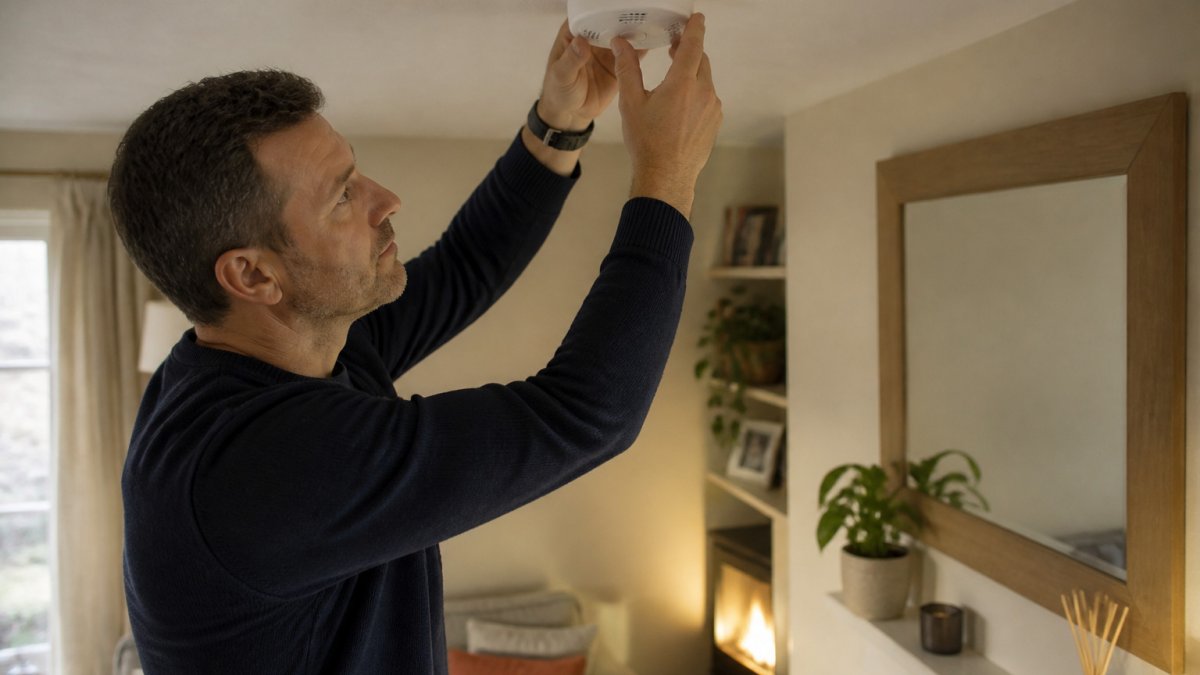
Schedule a service for every gas appliance each year, keep flues and vents clear, and never use a gas cooker or heater to warm a room. Watch for warning signs such as yellow or orange flames, soot around appliances and stuffy rooms with condensation. If you are planning ahead, read about how to prevent carbon monoxide leaks in winter before the heating season begins.
Book a Gas Safety Check Before the Next Heating Season
The most reliable way to reduce carbon monoxide risk is a professional check of your heating system. At Apex Gas & Heating Ltd, our Gas Safe registered engineers work with homeowners and landlords across Sussex and Surrey. Find out what is included in an annual boiler service before you book, so you know exactly what the check covers.
Frequently Asked Questions
What are the long-term effects of carbon monoxide poisoning?
Long-term effects can include persistent headaches, memory problems, difficulty concentrating, fatigue, low mood and changes in balance or coordination. Some people also experience heart problems. Effects vary with the level and duration of exposure, and the person’s general health. Anyone who has been exposed should have a medical assessment, even if they feel recovered, because some effects appear days or weeks later.
Can carbon monoxide poisoning cause permanent brain damage?
In serious cases it can. Carbon monoxide reduces oxygen delivery to the brain, and prolonged or severe exposure may cause lasting neurological harm. Many people recover well after mild exposure, but a medical professional should assess any suspected poisoning so that the risk of lasting effects is properly judged and monitored.
How long does carbon monoxide poisoning recovery take?
Recovery time varies widely. Mild headaches and nausea often settle within a few hours to days once fresh air is restored. Cognitive symptoms can take weeks or longer to improve, and some people have ongoing effects. Follow up with a GP if symptoms persist, worsen or affect daily life, as early review helps guide recovery.
How can I protect my home from carbon monoxide?
Have every gas appliance serviced annually by a Gas Safe registered engineer.
