







Table of Contents
- Why Verifying a Gas Safe Engineer Matters
- Legal Requirements for Gas Work in Your Home
- How to Check a Gas Safe Engineer’s Registration Status
- Understanding the Gas Safe ID Card Check
- Red Flags of an Illegal or Unregistered Engineer
- How to Report an Unregistered Gas Engineer
- What to Do If an Engineer Cannot Provide Proof
- Conclusion
Last Updated: August 14, 2026
Why Verifying a Gas Safe Engineer Matters
Hiring an unqualified tradesperson to work on your gas appliances isn’t just a risk, it’s a legal liability. Gas work carries genuine dangers: carbon monoxide poisoning, explosions, and fires are not theoretical concerns. They happen when unregistered workers cut corners or lack proper training. When you verify a gas safe engineer, you’re protecting your family, your property, and your legal standing as a homeowner or landlord.
The Gas Safe Register exists for one reason: to keep people safe. Every qualified engineer on it has passed rigorous assessments and holds current qualifications. Hiring someone off the register means you’re working with someone who has proven they know what they’re doing. It also means you have recourse if something goes wrong, the engineer’s registration can be investigated, complaints can be filed, and you have consumer protection.
Many homeowners assume that if someone turns up with a van and confidence, they must be legitimate. That assumption has cost people thousands in repairs, and in worst cases, their lives. Verification takes minutes. The consequences of skipping it can be catastrophic.
Legal Requirements for Gas Work in Your Home
In the UK, gas work isn’t optional regulation, it’s law. The Gas Safety (Installation and Use) Regulations 1998 requires that all gas work must be carried out by someone on the Gas Safe Register. This applies whether you’re a homeowner, landlord, or business owner. There are no exceptions.
For landlords specifically, the legal requirement goes further. You must have a landlord gas safety record (also called a CP12 certificate) issued by a Gas Safe registered engineer every 12 months. Failure to do so can result in fines up to £6,000 per breach, or even prosecution. The responsibility is yours, not your tenant’s.
Homeowners aren’t required to keep annual certificates in the same way, but the moment you hire someone to install, repair, or service a gas appliance, that person must be registered. If they’re not, you’re technically breaking the law by employing them. More importantly, if something goes wrong, a leak, a malfunction, an injury, your insurance may not cover it if the work wasn’t done by a qualified professional.
The regulatory body overseeing all of this is the Health and Safety Executive (HSE). They investigate gas-related incidents and can prosecute both engineers and customers who knowingly hire unregistered workers. It’s not a grey area. It’s clear law with serious consequences.
How to Check a Gas Safe Engineer’s Registration Status
The most direct way to verify a gas safe engineer is to use the official Gas Safe Register online tool. This is the definitive source, not a website run by the engineer, not a third-party review site, but the actual register maintained by Gas Safe itself. It takes two minutes and gives you certainty.
Using the Gas Safe Register Online Tool
Go to the Gas Safe Register online search tool. You’ll see a search box. Enter either the engineer’s licence number (if they’ve given you one) or their name. The system will return their registration details if they’re legitimate.
What you’re looking for: the engineer’s name, their unique licence number, and the categories of gas work they’re qualified to perform. Not all registered engineers can do all types of work. Some are qualified for boiler servicing but not installation. Some can work on cookers but not central heating. The register shows exactly what each engineer is authorised to do.
If the search returns no results, stop. Don’t hire them. It doesn’t matter how good their references sound or how reasonable their quote is, if they’re not on the register, they’re not qualified.
Required Information for Verification
Before you even search, ask the engineer for their Gas Safe licence number. A legitimate engineer will have this memorised or on their ID card. If they hesitate, can’t find it, or give you a vague answer, that’s a red flag.
You’ll also need their full name as it appears on their registration. Some engineers go by nicknames or shortened versions of their name professionally, but the register uses their legal name. If there’s any discrepancy, ask them to clarify.
Phone number and business address are helpful too, but the licence number and name are what matter for verification. Once you have those, the register search takes seconds.
Understanding the Gas Safe ID Card Check
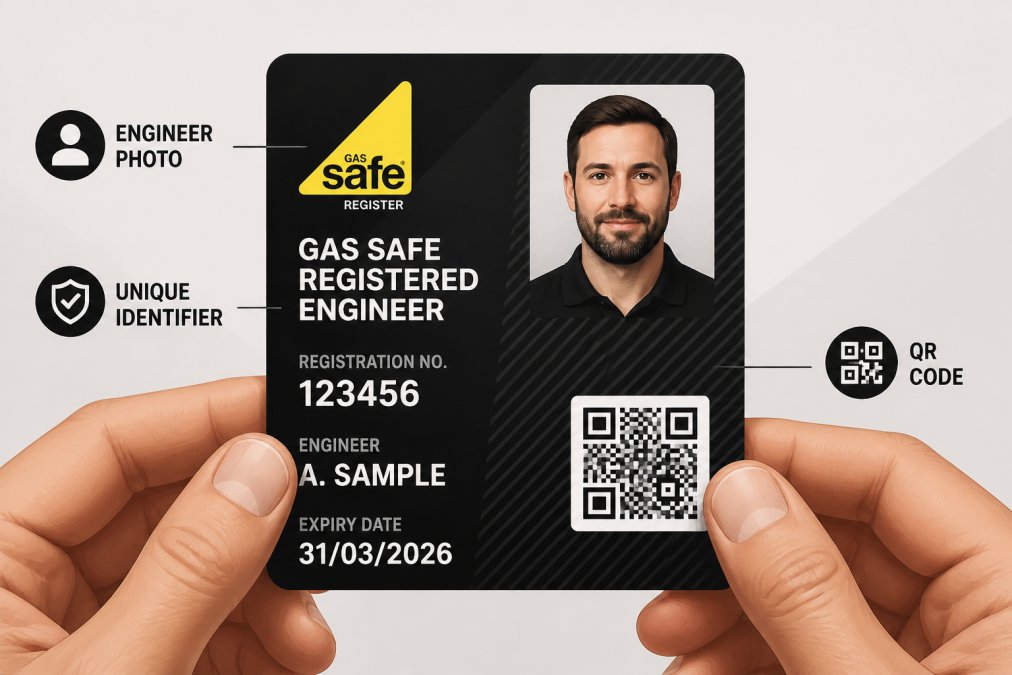
Every Gas Safe registered engineer must carry a physical ID card. This card is not optional, it’s a legal requirement. The card contains specific security features designed to prevent counterfeiting. If an engineer can’t produce one, or if the card looks fake, you’ve found an unregistered worker.
What to Look for on a Real ID Card
A genuine Gas Safe ID card has several distinctive features. The card itself is credit-card sized with a photo of the engineer. The photo should be clear and recent, if it looks decades old or doesn’t match the person in front of you, question it.
The card displays the engineer’s unique licence number prominently. This is the same number you’d use to search the online register. Below that, you’ll see the categories of gas work they’re qualified to perform. The back of the card lists any conditions or restrictions on their registration.
Look for a hologram on the card. This is a security feature that’s difficult to replicate. Tilt the card under light, a genuine hologram will show a 3D effect. Counterfeit cards often have a flat, printed image instead.
The card should also display an expiry date. Gas Safe registration requires annual renewal, so check that the card hasn’t expired. An expired card means the engineer’s registration has lapsed, they’re no longer qualified, regardless of their experience.
Using the QR Code on ID Cards
Modern Gas Safe ID cards include a QR code. This is one of the fastest ways to verify a gas safe engineer on the spot. Pull out your phone, open your camera or a QR code reader app, and scan the code on their card.
The QR code links directly to that engineer’s profile on the Gas Safe Register. It shows their current registration status, the categories they’re qualified for, and any complaints or enforcement action against them. If the QR code doesn’t scan, or if it takes you to a page that doesn’t load, the card is fake.
This method is faster than searching by name or licence number because it eliminates any chance of typing errors. It also gives you real-time confirmation that the registration is current, if the engineer has been struck off the register since the card was printed, you’ll see that immediately.
Red Flags of an Illegal or Unregistered Engineer
Certain warning signs indicate you’re dealing with an unregistered or illegal engineer. Learning to spot these can save you from hiring someone dangerous.
Arrange your landlord gas certificate →
The most obvious red flag is reluctance to provide proof of registration. A legitimate engineer will hand over their ID card without hesitation. If they say "I left it in the van" or "I’ll email it to you later," that’s a stalling tactic. Legitimate engineers carry their cards with them, it’s a legal requirement and basic professional practice.
Another warning sign is refusal to search the Gas Safe Register together. Suggest it casually: "Let me just verify you on the register while we’re here." If they object, resist, or claim the system is "down," they’re hiding something. The register is almost always accessible, and a legitimate engineer welcomes the verification.
Pricing that’s significantly lower than other quotes is suspicious. Gas work requires proper training, insurance, and compliance with regulations. An engineer quoting half the price of competitors may be cutting corners, or worse, they may not be qualified at all. Unregistered workers often undercut legitimate engineers because they have no overhead from training, insurance, or regulatory compliance.
Cash-only payments and no paperwork are major red flags. Legitimate engineers provide invoices, warranties, and documentation of the work completed. If someone insists on cash and refuses to provide written records, they’re operating outside the system for a reason.
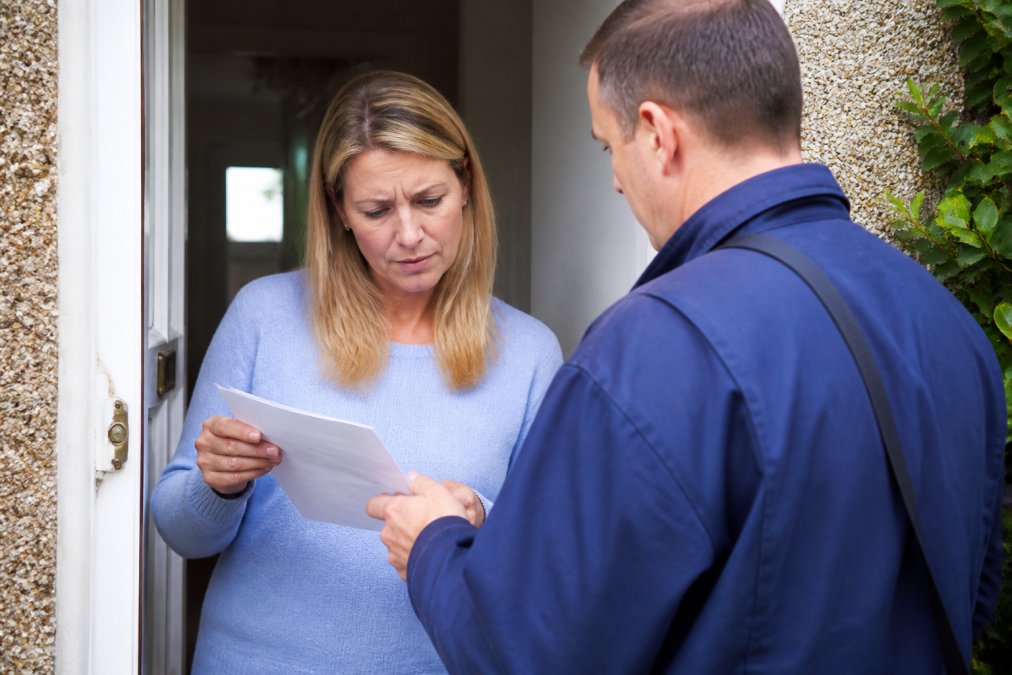
Vague answers about their qualifications are another warning sign. A qualified engineer can explain what they’re certified to do and why. If they give you generic answers or change the subject when you ask about their training, they’re likely not qualified.
Finally, pressure to book immediately or start work before you’ve had time to verify them is a classic tactic. Legitimate engineers have work lined up and don’t need to pressure homeowners. Unregistered workers often use urgency to bypass your verification process.
How to Report an Unregistered Gas Engineer
If you’ve encountered an unregistered or illegal gas engineer, whether they’ve already done work at your property or you’ve simply discovered they’re not qualified, you should report them. This protects other homeowners and helps enforce the legal requirement that all gas work must be done by qualified professionals.
The primary body to report to is Gas Safe itself. Contact them through their website at Gas Safe Register complaints process or call their helpline. You’ll need to provide as much detail as possible: the engineer’s name, the work they performed, the date, and your address. If you have their contact details or business name, include that too.
If the engineer has already damaged your property or caused a safety hazard, you should also report the incident to your local authority’s environmental health team. They have enforcement powers and can investigate dangerous gas work. In cases where there’s immediate danger, a gas leak, a smell of gas, or symptoms of carbon monoxide poisoning, call the National Gas Emergency Service on 0800 111 999.
For landlords, reporting is especially important. If a tenant has hired an unregistered engineer, or if you discover that someone has done gas work on your property without proper registration, report it immediately. The HSE takes landlord compliance seriously, and reporting unregistered work demonstrates that you’re taking your legal obligations seriously.
You can also contact your local Citizens Advice Consumer Service if you’ve paid for work that wasn’t done properly. They can advise on your rights and help you pursue compensation.
What to Do If an Engineer Cannot Provide Proof
If an engineer cannot or will not provide proof of registration, your response is straightforward: do not hire them. Do not allow them to proceed with any work. Do not make any payment.
If they’ve already started work without proof, stop them immediately. Ask them to leave your property. If they refuse, you can contact the police, they’re trespassing if they’re working without your consent, and you’ve withdrawn that consent.
If you’ve already paid them for work and discovered afterwards that they weren’t registered, you have options. First, document everything: take photos of the work, keep all receipts and communications, and write down dates and details of what was done. This evidence will be important if you need to pursue a complaint or claim compensation.
Contact Gas Safe and report the incident. They may investigate and take enforcement action against the engineer. You can also file a complaint with your local authority’s environmental health team.
If the work has created a safety risk, a gas leak, improper installation, or anything that could cause carbon monoxide exposure, contact a qualified engineer immediately to assess the damage. Document the cost of remedial work. You may be able to recover these costs from the unregistered engineer through small claims court, though enforcement can be difficult.
For landlords, if an unregistered engineer has done work on your property, you need to hire a registered engineer to inspect the work and issue a CP12 certificate if the work is safe, or to correct it if it isn’t. The cost of correction should ideally be recovered from whoever hired the unregistered worker.
Prevention is far better than remedy. Always verify before work begins.
Protecting your home and family from unsafe gas work starts with one simple step: verifying that your engineer is on the Gas Safe Register. It takes minutes, costs nothing, and gives you legal protection and peace of mind. At Apex Gas & Heating Ltd, we understand that trust matters, which is why all our engineers are fully registered and carry valid Gas Safe ID cards. When you need gas work done, whether it’s a boiler service, repair, or new installation, verification isn’t just recommended, it’s the law. Use the tools and methods in this guide to check any engineer before they set foot in your home. Your safety depends on it.
Frequently Asked Questions
How can I verify if a gas engineer is Gas Safe registered?
You can verify a gas engineer's registration status using the Gas Safe Register's online search tool at gassaferegister.co.uk. Enter the engineer's licence number or name to check their current registration. You can also ask the engineer to show you their Gas Safe ID card, which displays their unique identifier and qualifications. If they cannot provide either, do not proceed with any gas work.
What should I look for on a Gas Safe ID card?
A genuine Gas Safe ID card contains the engineer's photograph, their unique licence number, the types of gas work they're qualified to perform, and an expiry date. The card also features a QR code that links to their registration details. Check that the card hasn't expired and that the photograph matches the person in front of you. Be wary of cards that appear damaged, blurry, or lack these security features.
What information do I need to verify a gas engineer online?
To verify a gas engineer using the Gas Safe Register website, you'll need either their licence number or their full name. The licence number is the quickest option as it provides a unique identifier. Once you've entered this information, the register will display their registration status, the types of gas appliances they're qualified to work on, and whether their registration is current or expired.
What should I do if a gas engineer cannot provide proof of registration?
If an engineer cannot provide proof of registration, either through a Gas Safe ID card or confirmation on the Gas Safe Register, do not allow them to proceed with any gas work. This is a serious red flag. Unregistered engineers pose safety risks to your home and family. Report the situation to Gas Safe by calling 0800 408 5500 or submitting a report online at gassaferegister.co.uk.
Leave a Reply