







Table of Contents
- Signs You Have a Drainage Emergency
- How to Unblock a Drain Quickly: Immediate DIY Steps
- Blocked Drain Emergency Cost: What You’ll Pay
- Types of Drainage Emergencies and Professional Solutions
- Drainage Insurance Cover UK: What’s Protected
- Sewerage Responsibility: UK Water Companies and Homeowner Duties
- 24/7 Emergency Response and Rapid Repair Services
- Preventing Future Drainage Emergencies
Last Updated: August 5, 2026
Signs You Have a Drainage Emergency
A drainage emergency isn’t always obvious until water backs up into your home or foul smells become impossible to ignore. If water is pooling around your property, sewage is surfacing in your garden, or multiple drains are failing simultaneously, you’re facing an emergency that demands immediate action.
Common warning signs include overflowing toilets that won’t stop, persistent foul-smelling drains, water damage on ceilings or walls below ground level, and gurgling sounds from pipes when appliances drain. These indicate your drainage system’s integrity is compromised. Heavy rainfall can overwhelm aging systems, tree roots actively grow in autumn and spring, and frozen ground in winter can crack drainage lines.
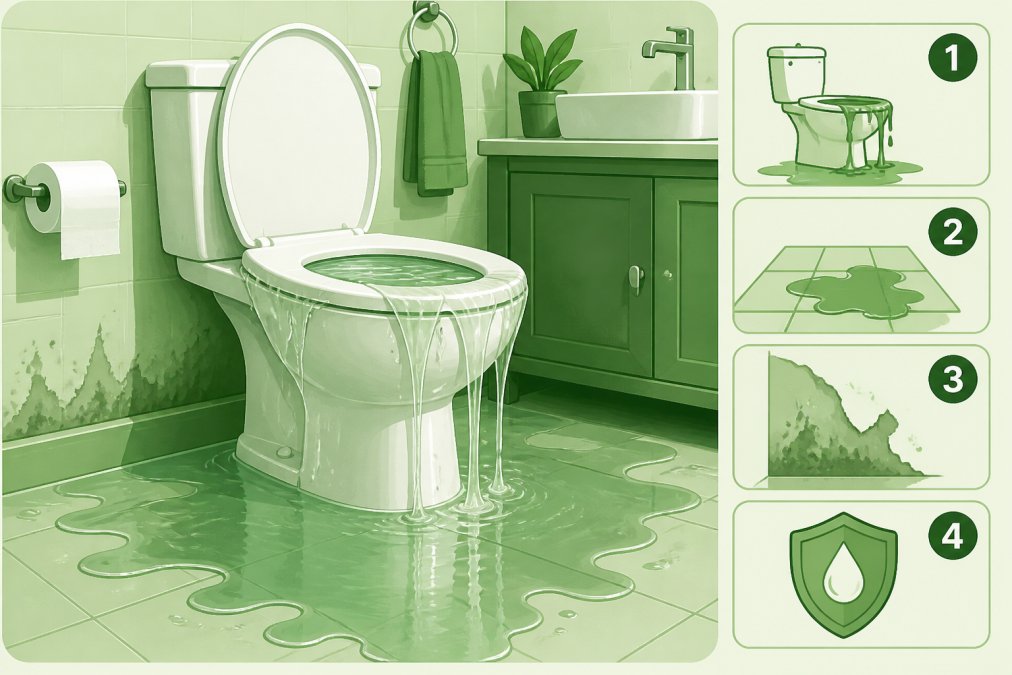
Sewage backup poses serious health risks. If you see raw sewage emerging anywhere on your property, do not attempt DIY solutions. Contact a professional immediately to avoid contamination and potential structural damage to your home.
How to Unblock a Drain Quickly: Immediate DIY Steps
When facing a drainage emergency, the first 30 minutes matter. Most common household blockages can be temporarily cleared using methods you likely have at home. These approaches work best for localized blockages in sinks, baths, and toilets, not for deep sewer line issues.
Step 1: Use a Plunger
Start with the simplest tool first. A manual plunger creates suction that can dislodge blockages near the drain opening. Fill the sink or bath with enough water to cover the plunger cup completely, then position it directly over the drain hole. Push down firmly and pull up sharply in rapid succession, maintaining the seal. Repeat 15-20 times without breaking contact.
For toilet blockages, use a specialized toilet plunger (flange-type design). The same rapid plunging motion applies, though be cautious not to splash contaminated water around the bathroom.
Fill the sink completely with water before plunging. Partial water coverage reduces suction effectiveness. The fuller the basin, the more pressure you can generate with each plunge.
Step 2: Try Chemical Unblockers
If plunging doesn’t work, chemical drain unblockers can dissolve organic matter. Products like Mr Muscle Power Gel work on grease, hair, and soap residue. Pour the gel directly down the drain and let it sit for the recommended time, typically 5-20 minutes. Always follow product instructions carefully and never mix different chemical unblockers. Wear gloves and avoid skin contact. After the chemical has worked, flush the drain with plenty of hot water.
Chemical unblockers work best on blockages within the first meter or two of the drain. They’re ineffective against deep blockages, tree root intrusion, or structural pipe damage.
Step 3: Use Drain Rods for External Drains
For external drainage systems, drain rods provide physical reach that plungers and chemicals cannot achieve. A set like the WORKPRO 12 Piece Drain Rod Set includes flexible rods that screw together, extending up to 9 metres, plus specialized attachments.
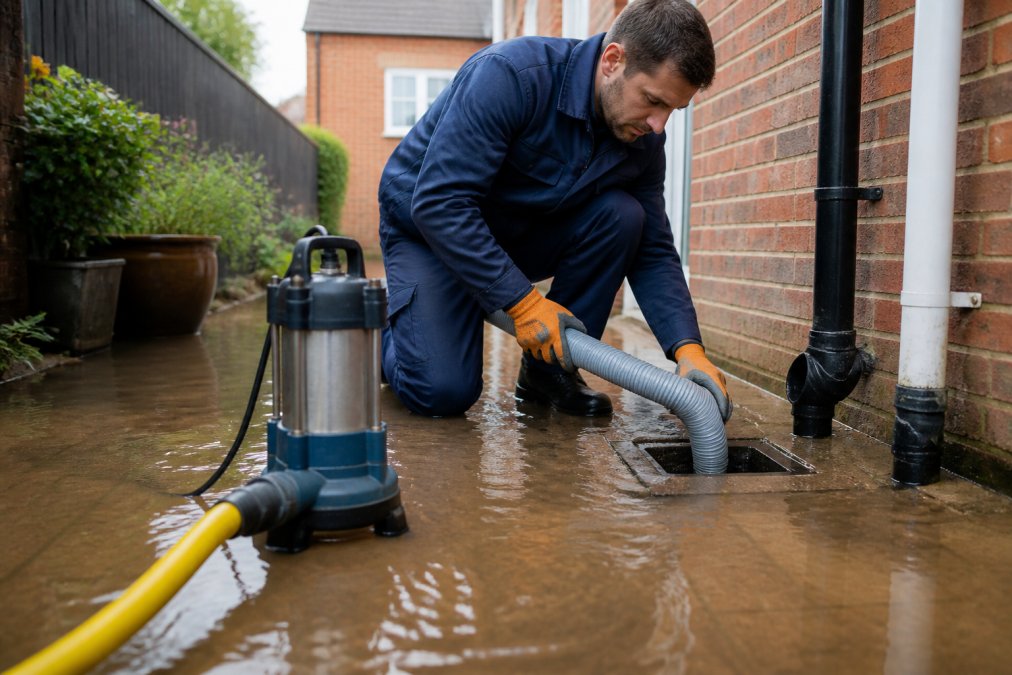
Locate your external drain access point, usually a gully or inspection chamber in your garden. Unscrew the cover carefully and assess what you’re dealing with. Screw the rods together one section at a time, attaching the appropriate head (rubber plunger for soft blockages, claw for stubborn debris). Insert the rods into the drain and push firmly but steadily, adding rod sections as you progress deeper.
Never force drain rods past resistance. If you hit a solid obstruction that won’t move, stop immediately. Forcing rods can damage pipes from the inside, creating cracks that lead to more expensive repairs.
Blocked Drain Emergency Cost: What You’ll Pay
Professional emergency drainage services typically charge call-out fees ranging from £75 to £180 just to attend your property. A straightforward drain unblocking might cost £135-£250 total, while more serious issues like burst pipes or sewage backup can reach £300-£500 or beyond.
Out-of-hours calls attract premium rates. What costs £120 during business hours might cost £180 after 6pm. Emergency calls at midnight can double or triple standard pricing.
DIY tools cost significantly less: chemical unblockers cost £2.25 to £7.75 per bottle, a plunger costs £10-£20, and drain rod sets cost £40-£73.95. These might resolve your problem for under £25, but they won’t work for every situation.
High-pressure drain jetting, the professional solution for stubborn blockages, costs £120-£250 for single drain runs or £250-£400 for full property system jetting. This method uses water jets at 2,000-4,000 PSI to blast through blockages and clean pipe walls completely.
Emergency call-out fees (£75-£180) apply regardless of problem complexity. This fixed cost makes professional help more attractive for serious issues where DIY methods have already failed.
Types of Drainage Emergencies and Professional Solutions
Not all drainage emergencies look the same or require the same response. Understanding what you’re facing helps you communicate effectively with professionals and understand why certain solutions cost more.
Severe Blockages Requiring Hydro-Jetting
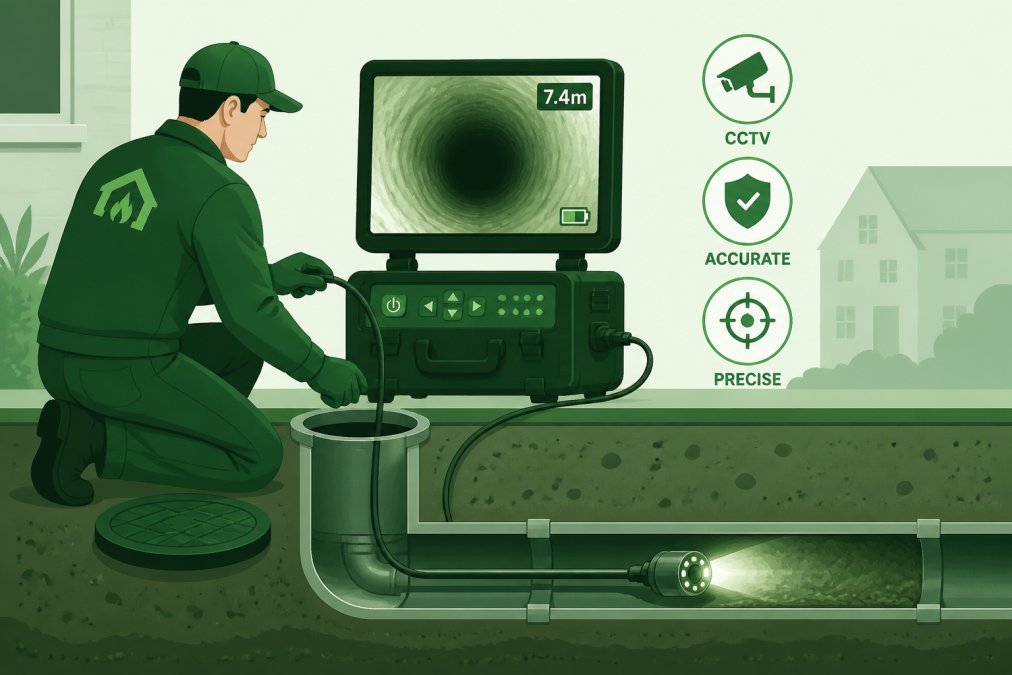
Severe blockages that resist plungers and chemical unblockers need professional intervention. Hydro-jetting uses pressurized water, typically 2,000-4,000 PSI, to blast through the obstruction and scour the pipe walls clean. This method works exceptionally well for recurring blockages because it removes the entire buildup layer. A single drain run costs £120-£250, while treating your full property drainage system runs £250-£400. Professional drainage contractors include CCTV drain surveys beforehand to identify exactly where the blockage sits and ensure the hydro-jetting targets the right location safely.
Burst Pipes and Structural Damage
Burst pipes represent a more serious drainage emergency. Water pressure, ground movement, tree root intrusion, or age-related deterioration can cause pipes to crack or collapse. Signs include water pooling in your garden even when it hasn’t rained, unusually lush patches of grass over drainage lines, or sewage surfacing.
Modern no-dig repair solutions like PipeAid Patch Repair Kits offer permanent fixes without excavation. These resin and fibreglass kits cure in the presence of water and bond to virtually all pipe materials, creating a watertight seal. For localized damage, no-dig repairs cost significantly less than full excavation and replacement.
Sewage Backup and Wastewater Issues
Sewage backing up into your home or garden is the most serious drainage emergency. This indicates complete or near-complete blockage of your main sewer line. Professional emergency drainage services respond with priority, using CCTV surveys to identify whether the blockage is in your private drainage system (your responsibility) or in the public sewer (the water company’s responsibility). Root ingress often causes wastewater backup and requires professional removal followed by preventative treatment to stop regrowth.
Never attempt to clear a sewage backup yourself. The health risks from raw sewage exposure are severe. Professional teams have proper protective equipment and know how to safely clear these blockages without contaminating your property further.
Drainage Insurance Cover UK: What’s Protected
Understanding what your home insurance covers regarding drainage emergencies prevents nasty surprises when you need to claim. Most standard home insurance policies include some drainage cover, but specifics vary significantly between providers.
Accidental damage cover typically includes drainage system failures caused by sudden, unexpected events like a tree root breaking through a pipe. Gradual deterioration and blockages caused by normal wear aren’t covered. Some insurers offer optional drainage cover as an add-on, which might include planned maintenance, preventative jetting, and blockage removal regardless of cause. Annual premiums for this add-on typically range from £20-£50.
Check your specific policy documents carefully. Coverage limits vary, some policies cap drainage claims at £500, others at £2,000 or more. Excess amounts typically range from £100-£250. When you need to claim, document everything with photos and receipts, and report the incident to your insurer promptly.
Sewerage Responsibility: UK Water Companies and Homeowner Duties
The UK’s drainage system divides responsibility between private property owners and water companies. Your private drainage system, the pipes running from your property to the public sewer connection point, is entirely your responsibility. The public sewer system, everything beyond your connection point, belongs to your water company.
When you contact a professional drainage service about a blockage, they’ll perform a CCTV survey to identify the exact location. If the problem is in the public system, they’ll contact your water company to arrange repairs at no cost to you. Regular maintenance of your private system prevents emergencies. Avoid flushing non-biodegradable items, dispose of cooking grease properly, and consider preventative jetting every 2-3 years if your property has a history of blockages.
24/7 Emergency Response and Rapid Repair Services
When drainage emergencies strike at midnight on a Sunday, you need professionals available immediately. UK emergency drainage services operate round-the-clock specifically for situations where waiting until Monday morning means property damage and health risks.
Apex Gas & Heating Ltd provides 24/7 emergency call-out service across Sussex and Surrey, responding to drainage emergencies with rapid response times. Professional emergency services bring equipment and expertise you can’t replicate with DIY tools. CCTV drain surveys pinpoint blockage locations precisely, high-pressure jetting equipment clears stubborn obstructions, and experienced technicians diagnose whether problems are in your system or the public sewer.
When you call an emergency drainage service, expect to provide basic information: what’s happening, where you’re located, and whether you’ve already attempted any solutions. Most services can dispatch a technician within 1-2 hours during peak times.
Save your local emergency drainage service’s number before you need it. During an actual emergency, you won’t want to spend 20 minutes searching for a reputable provider. Having the number ready means you can call immediately when problems start.
Preventing Future Drainage Emergencies
The best drainage emergency is one that never happens. Prevention costs far less than emergency repairs and saves you the stress of dealing with water damage and sewage backup.
Understand what you can safely flush and what belongs in the bin. "Flushable" wipes aren’t actually flushable and accumulate in your system. Cooking grease is a major culprit; pour it into a container and dispose of it in the bin, never down the drain.
Regular maintenance prevents most emergencies. Annual drain inspection using CCTV identifies problems before they become critical. Preventative jetting every 2-3 years removes buildup before blockages form. This proactive approach costs £100-£200 annually but prevents emergency call-outs costing £300-£500 or more.
| Prevention Method | Cost | Frequency | Benefit |
|---|---|---|---|
| Annual CCTV inspection | £80-£150 | Once yearly | Identifies problems early |
| Preventative jetting | £120-£250 | Every 2-3 years | Removes buildup before blockages form |
| Root barrier treatment | £150-£300 | Once, then monitor | Prevents tree root intrusion |
| Drain guards and screens | £5-£20 | Install once | Catches hair and debris |
| Grease disposal care | Free | Every drain use | Prevents grease accumulation |
Apex Gas & Heating Ltd helps Sussex and Surrey homeowners maintain their drainage systems through regular inspections and preventative maintenance. Their 24/7 emergency service ensures that if problems do occur despite prevention efforts, professional help is always available.
Drainage emergencies disrupt your home, damage your property, and create urgent financial pressure. The difference between a minor inconvenience and a catastrophic failure often comes down to how quickly you respond. Apex Gas & Heating Ltd delivers professional emergency drainage solutions across Sussex and Surrey with rapid response times, transparent pricing, and full public liability insurance backing every job. When you need immediate help unblocking drains, clearing sewage backup, or diagnosing complex drainage failures, their approved technicians provide the expertise and equipment that DIY methods simply can’t match. Get a quote from Apex Gas & Heating Ltd today and have their emergency contact details saved for peace of mind.
Frequently Asked Questions
How do I know if my drain blockage is an emergency?
A drain blockage becomes an emergency when water backs up into your home, sewage odours are strong, multiple drains are affected simultaneously, or you notice structural damage around pipes. Overflowing toilets, foul-smelling drains, and water pooling in your garden are also warning signs. If raw sewage is involved or water damage is occurring, contact a professional immediately rather than attempting DIY solutions.
Who is responsible for drain repairs: the homeowner or the water company?
In the UK, water companies are responsible for public sewers and the pipe connecting your property to the public network (the public lateral drain). Homeowners are responsible for private drains serving only their property and the section from their property boundary to the public sewer. You can contact your water company to confirm responsibility, but typically anything within your property boundary is your responsibility. Emergency drainage solutions for homes often require professional diagnosis to determine who is liable for repairs.
Are outside drains covered by house insurance in the UK?
Drainage insurance cover UK varies by policy. Standard buildings insurance typically covers sudden, accidental damage to drains, but not gradual wear, tree root damage, or blockages from neglect. Some policies exclude external drains entirely. Check your policy wording or contact your insurer before an emergency occurs. Accidental damage cover may extend protection, but preventative maintenance is not usually covered. Professional emergency drainage solutions may be partially reimbursable if the damage qualifies as accidental.
What is the cheapest way to unblock a drain quickly?
The cheapest immediate solution is to use a manual plunger (around £10-20) or a chemical unblocker like Mr Muscle or Sainsbury's Sink Unblocker (£2.25-5.00), which work within minutes to hours. Drain rods cost £40-75 for a full set and are effective for external drains. These DIY methods suit minor blockages caused by hair or grease. For stubborn blockages, professional hydro-jetting (£120-400) or emergency drainage services (£75-180 call-out fee) are necessary but significantly more expensive.
Leave a Reply