






Table of Contents
- What Is a Plumbing and Heating Maintenance Plan?
- HVAC Maintenance Plan Benefits and Why They Matter
- What’s Included in a Plumbing and Heating Maintenance Plan
- Water Heater Maintenance Plan: Essential Coverage
- Preventative Plumbing Maintenance Checklist for Homeowners
- Understanding Your Plumbing Service Agreement
- Preventative Maintenance vs. Emergency Repairs: Cost Comparison
- How Often Should You Schedule Plumbing and Heating Maintenance?
Plumbing and Heating Maintenance Plans: Complete 2026 Guide
Last Updated: July 22, 2026
What Is a Plumbing and Heating Maintenance Plan?
A plumbing and heating maintenance plan is a service agreement providing regular inspections, preventative maintenance, and priority repair access for your home’s water and heating systems. These plans ensure your pipes, boilers, water heaters, and HVAC equipment receive scheduled professional attention before problems become emergencies.
Homeowners with maintenance plans spend significantly less on emergency call-outs than those who wait for systems to fail. Plans typically include annual or bi-annual inspections, seasonal tune-ups, filter replacements, and discounted labor rates. Most homeowners don’t realize their heating and plumbing systems have predictable failure points, a boiler without servicing runs at reduced efficiency with hidden safety risks, while a water heater accumulates sediment that shortens its lifespan by years.
The best time to enroll in a maintenance plan is before winter arrives. Most providers see demand spike in October and November, creating longer wait times. Spring or summer enrollment gives you priority scheduling when it matters most.
HVAC Maintenance Plan Benefits and Why They Matter
Your heating and cooling system works harder than any other mechanical system in your home. Regular servicing improves energy efficiency, reducing utility bills by 10-15% compared to unmaintained systems.
Beyond cost savings, maintenance plans provide safety assurance. Heating systems can develop carbon monoxide leaks, refrigerant issues, or electrical faults invisible to untrained eyes. Qualified engineers catch these hazards during routine inspections, providing essential peace of mind for families with children or elderly members.
Emergency repairs during winter are expensive and inconvenient. Out-of-hours call-out fees often add 50-100% premiums to standard rates. Maintenance plan members typically receive standard rates even during emergency calls, saving hundreds of pounds per incident.
System longevity is critical, equipment receiving annual maintenance lasts 3-5 years longer than neglected systems. A water heater or boiler extends from 10-12 years to 13-15+ years, deferring replacement costs substantially. A £1,200 annual plan over 10 years costs £12,000 but prevents a £4,000 emergency replacement at year 7.
Maintenance plans are ROI-positive within 2-3 years for most homeowners, especially those in older properties or areas with hard water.
What’s Included in a Plumbing and Heating Maintenance Plan?
Comprehensive plans typically include several core components that vary by provider.
Annual Maintenance and Seasonal Tune-Ups
Most plans include at least one annual service visit, with premium plans offering two or more. A winter heating tune-up checks boiler ignition, thermostat calibration, safety controls, and fuel efficiency. A summer air conditioning inspection verifies refrigerant levels, compressor function, and filter condition.
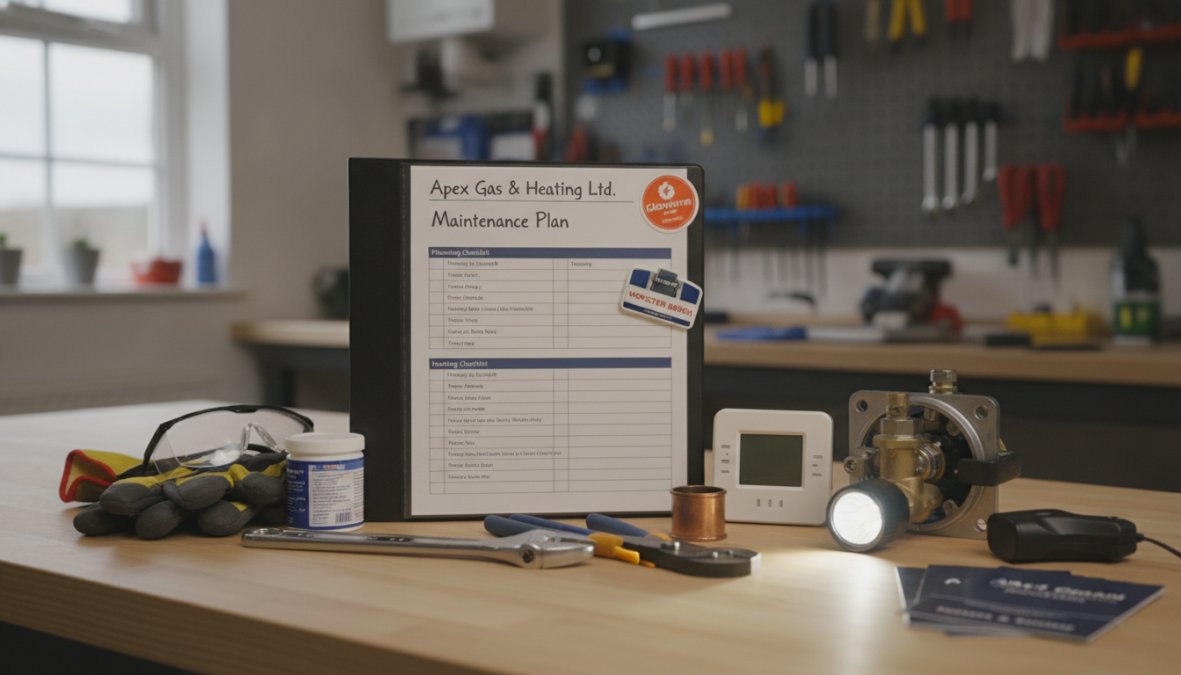
Technicians replace air filters, clean burner components, test safety shutoffs, and measure system performance during these 1-2 hour visits. Many plans include drain cleaning and pipe inspection to catch early signs of corrosion or blockages before they cause water damage.
Priority Scheduling and Emergency Service Access
Maintenance plans deliver immediate practical value through priority scheduling and shorter wait times during peak seasons. More importantly, most plans include 24/7 emergency access without the premium rates non-members pay.
A broken boiler in December is a heating emergency. Non-members calling for emergency service face £150-300 call-out fees plus labor charges. Maintenance plan members access the same emergency service at no additional call-out fee, paying only for parts and labor at standard rates. Some plans guarantee response within one hour for emergency calls, preventing water damage escalation and restoring heating before your home becomes uninhabitable.
Water Heater Maintenance Plan: Essential Coverage
Water heater failures are common and expensive. Most water heaters last 8-12 years, but without maintenance often fail by year 7. A water heater maintenance plan extends lifespan and prevents sudden cold water failures.
A typical inspection includes flushing sediment buildup, testing the pressure relief valve, checking the anode rod, and verifying thermostat accuracy. Sediment accumulation is the primary enemy of water heater longevity. Hard water deposits coat the heating element, forcing it to work harder and fail sooner. Annual flushing restores efficiency.
The anode rod sacrifices itself to prevent rust inside the tank. Once corroded completely, the tank itself begins rusting from inside. Replacing an anode rod costs £100-150 and adds years to your water heater’s life. Replacing the entire tank costs £800-1,500. A maintenance plan including anode rod inspection is extremely cost-effective.
If your water heater is over 8 years old and hasn’t been serviced, sediment buildup is likely severe. A professional flush can restore 10-15% of heating capacity and prevent premature failure.
Preventative Plumbing Maintenance Checklist for Homeowners
While professional maintenance plans handle technical work, homeowners should perform basic checks between service visits.
Monthly checks:
- Look for water stains under sinks and around water heater
- Listen for unusual noises from pipes or boiler
- Check that all taps turn off completely without dripping
- Verify boiler pressure gauge is in the normal range (typically 1-1.5 bar)
Quarterly checks:
- Inspect visible pipes for corrosion, leaks, or discoloration
- Test that radiators heat evenly without cold spots
- Check drainage in showers and sinks
- Verify thermostat response to temperature changes
Annual checks:
- Have a qualified engineer perform a full plumbing and heating inspection
- Request a written report documenting system condition
- Photograph any areas of concern
- Review your service agreement to confirm coverage
These routine checks provide early warning signals. A homeowner noticing a small leak and reporting it during scheduled service prevents water damage costing thousands. A dripping tap wastes 3,000+ gallons of water annually and indicates internal valve wear.
Understanding Your Plumbing Service Agreement
Before enrolling in any maintenance plan, read the service agreement carefully. Contract terms determine what’s covered, what costs extra, and what happens during emergencies.
What to Look for in a Service Contract
A quality agreement specifies exactly what’s included in each service visit. Vague language like "annual inspection" doesn’t clarify whether that includes boiler servicing, water heater flushing, or drain cleaning. The best contracts itemize each service component and frequency.
Check whether the plan covers parts and labor or only labor. Some providers include parts for routine maintenance but charge extra for major components. Understanding this distinction prevents surprise bills when technicians discover failing components.
Verify the response time guarantee for emergency calls. "Within one hour" or "same-day" response for emergency heating issues matters more than monthly fees, delayed response to heating failure costs far more than premium membership.
Look for cancellation terms. Can you cancel without penalty? Some plans lock you in for 12 months with early termination fees. Others allow month-to-month cancellation.
Parts and Labor Warranty Coverage
Warranty terms define your financial exposure when something goes wrong. Comprehensive plans cover both parts and labor for covered systems. Some include parts warranties extending beyond the service period, if a replaced valve fails within 12 months, the plan covers replacement.
Labor warranty ensures accountability. If a technician’s repair fails within 30 days, the plan covers the follow-up visit at no additional cost. Check whether warranty covers only mentioned systems or the entire heating system as an integrated unit.
Preventative Maintenance vs. Emergency Repairs: Cost Comparison
The financial case for maintenance plans becomes clear when comparing preventative costs to emergency repair costs. A single emergency call-out often costs more than an entire year of plan membership.
An emergency boiler repair typically costs £400-800 in labor alone, plus parts. Major component failures reach £1,500-3,000 total. A maintenance plan costing £150-300 annually prevents these emergencies through early detection.
Consider a real scenario: a homeowner ignores boiler maintenance for five years. A small leak goes unnoticed until complete system failure in winter. The emergency call-out fee is £200, with corroded pipe replacement costing £800 in parts and labor. Total: £1,000 for one emergency repair.
That same homeowner with a maintenance plan would have had the pipe inspected during annual visits. At year two, early corrosion would trigger recommended replacement at £600, scheduled conveniently without emergency premiums. Over five years, the maintenance plan costs £750-1,500 versus £1,000+ in a single incident, plus stress and potential property damage.
Preventative maintenance typically costs 30-50% less than emergency repairs over five years, before accounting for inconvenience and property damage from system failures.
How Often Should You Schedule Plumbing and Heating Maintenance?
Ideal maintenance schedules depend on system age, water quality, and usage patterns.
For boilers and heating systems, annual servicing is the minimum standard. Gas boilers require yearly inspection for safety and efficiency. Many providers recommend servicing before winter, September through November is ideal.
Water heaters benefit from annual flushing in hard water areas. Soft water areas may need flushing every 18-24 months. Ask your local water provider about your water hardness level to determine optimal frequency.
Plumbing systems don’t require as frequent professional attention as heating systems, but annual inspection is valuable. Qualified plumbers identify slow leaks, corrosion, and drainage issues before escalation. Older copper or galvanized steel pipes benefit from inspection every 6-12 months.
Seasonal tune-ups are valuable in climates with harsh winters. Pre-winter heating tune-ups and post-winter inspections catch freeze damage and thermal stress issues.
| Maintenance Item | Frequency | Urgency | Cost Range |
|---|---|---|---|
| Boiler safety inspection | Annual | Critical | Included in plan |
| Water heater flushing | Annual (hard water) / 18-24 months (soft water) | High | Included in plan |
| Radiator balance check | Annual | Medium | Included in plan |
| Drain cleaning | As needed / annually | Medium | £80-150 |
| Thermostat calibration | Annual | Medium | Included in plan |
| Pipe corrosion inspection | Annual | High | Included in plan |
| Emergency repair access | 24/7 | Critical | Plan membership |
Choosing a plumbing and heating maintenance plan is one of the smartest investments in your home’s reliability and safety. The cost of preventative care is modest compared to emergency repair expenses and stress, especially when heating or water systems fail during winter.
Apex Gas & Heating Ltd offers transparent, comprehensive maintenance plans for Sussex and Surrey homeowners. With Glow-worm and Worcester-approved installers, 24/7 emergency access, and full public liability insurance, their team provides professional oversight keeping your systems running safely and efficiently. Get a quote today and discover how much you can save by switching from emergency repairs to planned maintenance.
Frequently Asked Questions
What is included in a plumbing and heating maintenance plan?
A typical plumbing and heating maintenance plan includes annual system inspections, seasonal tune-ups, filter replacements, drain cleaning, thermostat calibration, and safety inspections. Most plans also offer priority scheduling for repairs, discounted repair rates, and 24/7 emergency service access. Coverage often extends to water heater inspections, pipe integrity checks, and leak detection. Plans vary by provider, so review what's included before committing to ensure it matches your home's needs.
Are plumbing and heating maintenance plans worth the investment?
Yes, when properly structured. Preventative maintenance reduces the risk of costly system failures and extends equipment lifespan significantly. Regular service catches minor issues before they become expensive emergencies. Plans typically include discounted repair rates and parts warranties, which offset the annual cost over time. Homeowners also gain peace of mind knowing their systems are monitored by qualified engineers. The ROI is strongest for older systems or homes with frequent repair histories.
How often should plumbing and heating systems be serviced under a maintenance plan?
Most experts recommend annual maintenance for heating systems, typically before winter, and at least one seasonal tune-up per year. Plumbing systems benefit from routine checkups every 1-2 years, with water heater inspections annually. High-use systems or older homes may need more frequent service. A good plumbing service agreement will specify the frequency and include reminders. Regular servicing prevents system failure, maintains energy efficiency, and keeps your home safe from hazards like carbon monoxide.
What should I look for in a plumbing and heating maintenance plan contract?
Check for clear coverage details: what's included, what's excluded, and whether parts and labor are covered under warranty. Verify the company is Gas Safe registered and insured with full public liability coverage. Look for guaranteed response times (especially for emergency service), priority scheduling benefits, and any discounts on repairs or parts. Confirm whether the plan covers seasonal tune-ups, annual maintenance, and safety inspections. Ask about cancellation terms and whether you can adjust coverage. Transparent pricing and no hidden fees are essential markers of a trustworthy service agreement.
Leave a Reply