







Table of Contents
- Plumber vs Heating Engineer: Key Differences Explained
- What Does a Plumber Do?
- What Does a Heating Engineer Do?
- Gas Safe Registered Engineer in Crawley: Why Certification Matters
- Emergency Plumbing Services in Sussex: When to Call a Plumber
- Benefits of Using Local Heating Engineers for Your System
- Plumber vs Heating Engineer: Comparison Table and Decision Guide
- Can a Plumber Do Heating Work, and Vice Versa?
Last Updated: August 10, 2026
Plumber vs Heating Engineer: Key Differences Explained
When your heating system fails on a freezing winter’s night or a pipe bursts in your kitchen, knowing who to call can mean the difference between a quick fix and a costly emergency. The distinction between a plumber and a heating engineer often confuses homeowners in Crawley and across Sussex, yet understanding their different expertise is essential for getting the right person for the job.
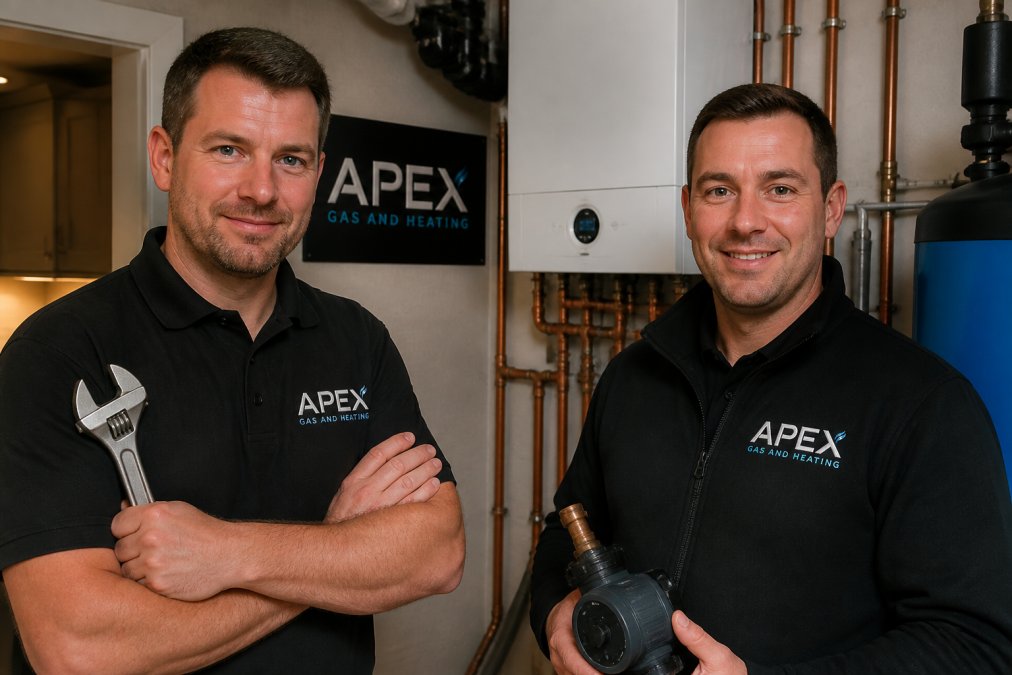
At Apex Gas & Heating Ltd, we work with both plumbing and heating challenges daily, and we’ve seen countless situations where property owners called the wrong tradesperson first. A plumber vs heating engineer comparison reveals two distinct professions with overlapping but fundamentally different skill sets. While both work with water systems and pipes, their training, certifications, and scope of work diverge significantly.
This guide breaks down exactly what each professional does, when to call them, and how to avoid costly mistakes. We’ll also explain Gas Safe registration, emergency response expectations, and how modern heating systems require specialist knowledge that general plumbing expertise simply cannot provide.
What Does a Plumber Do?
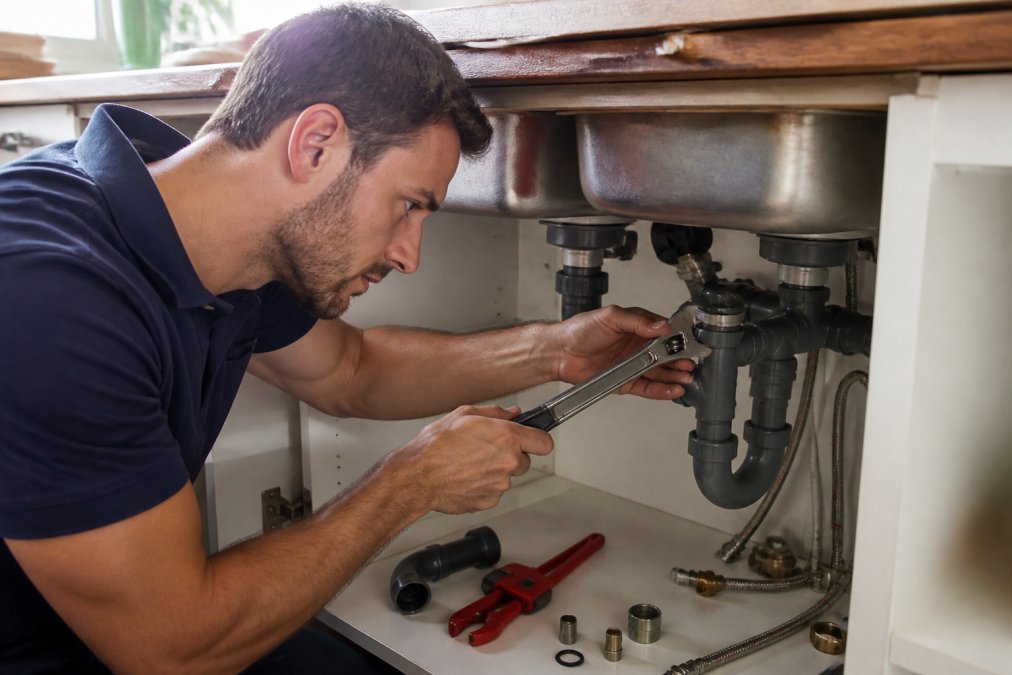
A plumber specialises in water supply, drainage, and sanitation systems throughout your home or business. Their work focuses on the distribution of fresh water, removal of wastewater, and installation of fixtures like taps, toilets, showers, and baths. Plumbers handle leaks, blockages, pipe repairs, and the installation of new pipework for kitchens, bathrooms, and laundry areas.
The scope of plumbing work includes:
- Fixing burst pipes and water leaks
- Unblocking drains and sewage systems
- Installing and repairing toilets, basins, and shower systems
- Replacing worn washers and valves
- Installing new bathroom suites and kitchen sinks
- Detecting leaks using diagnostic equipment
- Repairing water pressure issues
Plumbers typically complete a Level 3 NVQ or equivalent qualification in plumbing and heating, though some specialise solely in plumbing without the heating component. A general plumber may have basic knowledge of central heating systems but is not trained or certified to work on gas boilers or complex heating installations.
Emergency plumbing services in Sussex are common because burst pipes, frozen pipes, and blocked drains don’t wait for business hours. Many plumbers offer 24/7 call-out services, particularly during winter months when water-related emergencies spike. However, a plumber’s expertise stops at the heating system itself, they can replace pipework connected to a boiler, but they cannot legally install, repair, or service the boiler unit.
What Does a Heating Engineer Do?
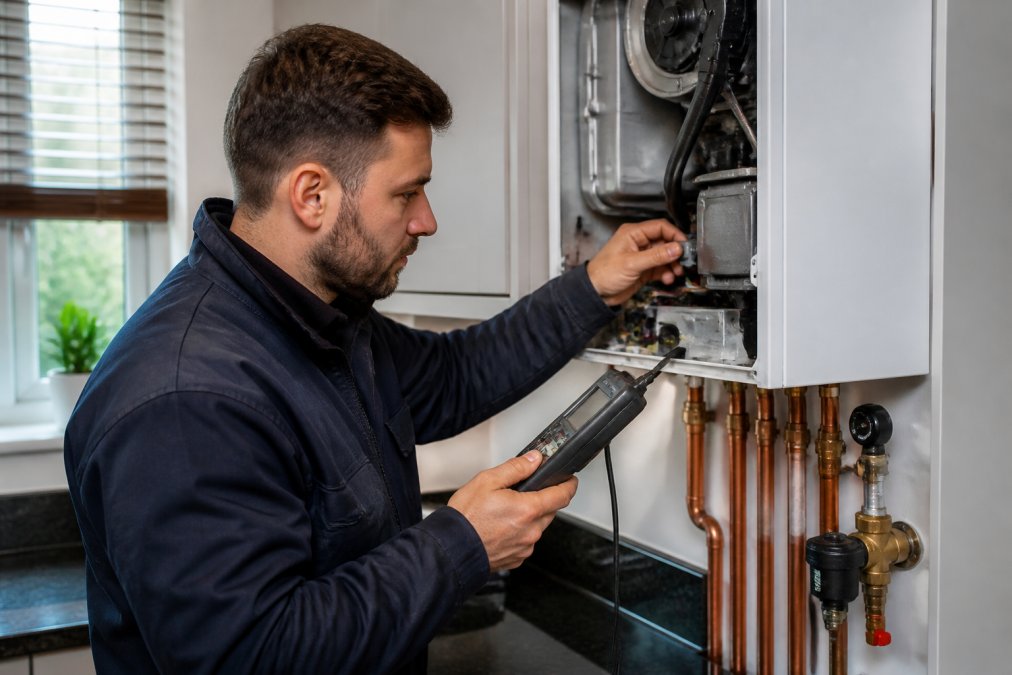
A heating engineer (also called a heating technician or boiler engineer) specialises exclusively in heating systems, boilers, radiators, and heat distribution. They design, install, service, and repair central heating systems that keep homes warm. This is a highly specialised role requiring in-depth knowledge of different boiler types, fuel systems, and heating controls.
The scope of heating engineering includes:
- Installing new boilers and central heating systems
- Servicing boilers to maintain efficiency and safety
- Repairing faulty boilers and heating components
- Replacing radiators and thermostatic valves
- Installing heating controls and smart thermostats
- Flushing heating systems to remove sludge and improve efficiency
- Diagnosing heating problems using specialist diagnostic tools
- Ensuring compliance with building regulations and safety standards
A qualified heating engineer must hold Gas Safe registration if they work on gas appliances, this is a legal requirement in the UK. Gas Safe registration proves the engineer has passed rigorous safety assessments and understands the risks of carbon monoxide poisoning, gas leaks, and unsafe installations. Unregistered engineers working on gas boilers are breaking the law and putting your home at serious risk.
Heating engineers complete extensive training, typically a Level 3 NVQ in heating engineering or a Gas Safe apprenticeship. Many heating engineers also hold manufacturer-specific qualifications, for example, Worcester Approved Installer status or Glowworm certification, which demonstrate they’ve trained directly with the boiler manufacturer and can access extended warranties.
Gas Safe Registered Engineer in Crawley: Why Certification Matters
Gas Safe registration is not optional, it’s a legal requirement. Any engineer working on gas boilers, gas fires, gas cookers, or any gas appliance must be registered with Gas Safe Register, the official body that regulates gas engineers across the UK. Working with an unregistered engineer exposes you to serious safety risks and potential legal liability.
A Gas Safe registered engineer has:
- Passed rigorous safety assessments and practical examinations
- Demonstrated knowledge of gas safety regulations and building codes
- Agreed to follow strict safety protocols and conduct regular checks
- Access to professional indemnity insurance and workmanship guarantees
- The legal authority to issue safety certificates (CP12 certificates) required by landlords and mortgage lenders
When you hire a heating engineer in Crawley or anywhere in Sussex, always ask to see their Gas Safe registration card before work begins. You can verify their registration online at the Gas Safe Register website, simply enter their licence number. If they refuse to show you their card or cannot provide a licence number, do not proceed. This is a major red flag.
Apex Gas & Heating Ltd employs only Gas Safe registered engineers and holds full public liability insurance, giving you complete peace of mind. Our team includes approved Glowworm and Worcester Installers, which means we’ve completed manufacturer-specific training and can offer extended warranties on new boiler installations.
Emergency Plumbing Services in Sussex: When to Call a Plumber
Emergency plumbing situations demand fast response, and knowing what constitutes a plumbing emergency helps you decide whether to call a plumber or wait until morning. Common plumbing emergencies include burst pipes, flooding from leaks, blocked toilets that overflow, and no water supply to the property.
When to call a plumber immediately:
- Burst or frozen pipes causing flooding
- Major water leaks from visible pipe damage
- Toilets overflowing or backing up
- Complete loss of water pressure or supply
- Blockages in drains causing sewage backup
- Leaks from under floorboards or in walls (detected by damp patches)
Plumbers offer emergency call-out services because these situations require immediate action to prevent water damage, mould growth, and structural problems. A burst pipe can release thousands of litres of water within hours, so fast response is critical. Many emergency plumbing services in Sussex operate 24/7, including weekends and bank holidays, though call-out charges typically apply outside normal business hours.
However, if your emergency involves your boiler, for example, no heating and a boiler fault, you need a heating engineer, not a plumber. This is a crucial distinction. A plumber cannot legally diagnose or repair a faulty boiler, even in an emergency. Calling the wrong tradesperson wastes time and money and leaves you without heating in winter.
Benefits of Using Local Heating Engineers for Your System
Local heating engineers offer distinct advantages over large national chains or generalist plumbers. A heating specialist understands the nuances of different boiler types, manufacturers, and heating control systems in ways a general plumber cannot match.
Key benefits of hiring local heating engineers:
Specialist Knowledge: Local heating engineers focus exclusively on heating systems, so they develop deep expertise in diagnosing and fixing heating problems. They understand the specific quirks of different boiler models and can often identify issues quickly.
Faster Diagnosis: Because they specialise in heating, they carry diagnostic tools designed specifically for boilers and heating systems. They can identify the root cause of problems without trial-and-error repairs, saving you time and money.
Manufacturer Relationships: Approved installers for Worcester, Glowworm, Baxi, and other manufacturers have direct relationships with the brands. This means access to genuine parts, technical support, and extended warranties that generalist plumbers cannot offer.
Building Regulations Compliance: New boiler installations must comply with current building regulations and energy efficiency standards. Specialist heating engineers stay updated on these requirements and ensure installations meet all legal standards.
Preventative Maintenance: Local heating engineers understand how to maintain systems to prevent breakdowns. Regular servicing by a specialist catches problems early, such as sludge buildup, corroded pipes, or failing components, before they become emergencies.
Emergency Response: Dedicated heating engineers often offer rapid emergency response for heating failures. During winter, when heating emergencies spike, local specialists are more likely to respond quickly than generalist plumbers juggling multiple service types.
Peace of Mind: Specialist engineers typically offer workmanship guarantees and professional indemnity insurance, giving you recourse if something goes wrong. This protection is especially important for expensive work like boiler installations.
Plumber vs Heating Engineer: Comparison Table and Decision Guide
| Situation | Call a Plumber | Call a Heating Engineer | Why |
|---|---|---|---|
| Burst or frozen pipes | Yes | No | Plumbers specialise in water supply and drainage systems |
| Boiler not heating | No | Yes | Only Gas Safe registered heating engineers can work on boilers |
| Blocked drain or toilet | Yes | No | Drainage is plumbing expertise |
| Radiator not heating | No | Yes | Radiators are part of the central heating system |
| Leaking tap or shower | Yes | No | Plumbers handle fixtures and fittings |
| Boiler making strange noises | No | Yes | Requires heating system diagnosis |
| New bathroom installation | Yes | No | Plumbers install water fixtures and pipework |
| New boiler installation | No | Yes | Gas Safe registration required; heating specialisation essential |
| Water pressure problems | Yes | Maybe | Plumbers handle pressure issues; heating engineers if related to heating system |
| Annual boiler service | No | Yes | Mandatory for warranty and safety; heating engineer only |
This table clarifies the decision point: if the issue involves your boiler, central heating system, radiators, or heat distribution, call a heating engineer. If it involves water supply, drainage, fixtures, or general pipework, call a plumber.
Can a Plumber Do Heating Work, and Vice Versa?
This is the question that causes confusion, so let’s be clear: a plumber cannot legally perform heating work, and a heating engineer should not perform plumbing work outside their scope.
Can a plumber work on boilers? No. A plumber is not trained, qualified, or legally permitted to install, repair, or service gas boilers. Even if a plumber has basic knowledge of heating systems from their training, they lack the Gas Safe registration required to work on gas appliances. A plumber who attempts boiler work is breaking the law and exposing you to serious safety risks, including carbon monoxide poisoning.
Can a plumber replace radiators? This is a grey area. A plumber can disconnect and reconnect radiators if the work only involves the water supply pipework. However, if the work requires balancing the heating system, adjusting flow rates, or diagnosing why radiators aren’t heating properly, a heating engineer should handle it. Many plumbers refer radiator issues to heating engineers to ensure the work is done correctly.
Can a heating engineer do plumbing work? Generally, no. A heating engineer’s training focuses on heating systems, not water supply or drainage. While some engineers may have basic plumbing knowledge, they shouldn’t take on plumbing jobs outside their specialist area. If your heating engineer identifies a plumbing issue, for example, a leak in the pipework feeding the boiler, they’ll typically recommend you call a plumber to fix it.
The overlap: The only significant overlap occurs with pipework connected to the boiler. A plumber can replace damaged pipework leading to the boiler, but a heating engineer must handle the boiler connection itself and any work that affects the heating system’s operation.
In practice, the safest approach is to hire the right specialist for each job. If you’re unsure, ask the tradesperson about their qualifications and experience. A professional will be happy to explain what they can and cannot do.
Never hire an unregistered engineer for boiler work. Unregistered engineers cannot legally work on gas appliances and cannot issue safety certificates. This puts your home at risk and may invalidate your boiler warranty or mortgage lender’s requirements.
When you need reliable heating or plumbing expertise in Crawley or across Sussex, Apex Gas & Heating Ltd brings both specialisms under one roof. Our Gas Safe registered engineers handle boiler installations, servicing, and repairs with the precision and safety standards your home deserves. For emergency heating or plumbing needs, our 24/7 call-out service responds quickly with transparent pricing and full public liability insurance. Get a quote today and experience the peace of mind that comes with working with approved Worcester and Glowworm installers who’ve earned the trust of homeowners throughout Sussex and Surrey.
Frequently Asked Questions
What is the main difference between a plumber and a heating engineer?
A plumber handles water supply, drainage, and plumbing fixtures throughout your home. A heating engineer specialises in boilers, central heating systems, and gas appliances. Heating engineers must be Gas Safe registered to work on gas systems, while plumbers focus on water-related work. Some professionals train in both trades, but each requires different qualifications and certifications under UK building regulations.
Do I need a Gas Safe registered engineer for my boiler repair?
Yes. Any work on gas appliances, including boiler repair and servicing, must be carried out by a Gas Safe registered engineer. This is a legal requirement in the UK. Gas Safe registration ensures the engineer has the proper qualifications and insurance to work safely on gas systems and helps protect you from carbon monoxide risks and unsafe installations. Always verify Gas Safe credentials before booking.
Can a plumber legally work on my gas boiler or heating system?
No. Only a Gas Safe registered heating engineer can work on gas boilers and gas appliances. A plumber can handle the water pipework connected to your heating system, but cannot touch the boiler itself or gas components. Attempting to have an unqualified person work on your boiler risks safety hazards, voids warranties, and breaches building regulations. Always hire a qualified heating engineer for boiler work.
Are local heating engineers more reliable than large plumbing firms?
Local heating engineers often provide faster response times, more personalised service, and stronger accountability within their community. Large firms may offer 24/7 support and wider coverage but can be slower to respond. The key is verifying qualifications, checking Gas Safe registration, reviewing customer feedback, and confirming public liability insurance. Reliability depends on the individual business, not size, local or large.
How do I verify if a heating engineer is qualified in the UK?
Check the Gas Safe register at gassaferegister.co.uk using their name or company details. Verify they hold relevant qualifications such as NVQ Level 3 in Heating and Plumbing Engineering or equivalent. Ask for proof of public liability insurance and any manufacturer certifications (e.g., Worcester Bosch Accredited Installer). Request references from recent customers and confirm they're registered with a professional body.
Leave a Reply