








Table of Contents
- What Is Carbon Monoxide and Why It Matters
- Carbon Monoxide Alarm Regulations in the UK
- The Real Cost of Not Having a Detector
- Best Place to Install Carbon Monoxide Detector
- How Often to Replace Carbon Monoxide Detector
- Detector Types and What You Actually Get
- Is a Carbon Monoxide Detector Worth It for Your Home?
Last Updated: August 25, 2026
What Is Carbon Monoxide and Why It Matters
Carbon monoxide is a colourless, odourless gas produced when fuel-burning appliances like boilers, cookers, and heating systems don’t burn fuel completely. This toxic gas is often called the "silent killer" because you cannot see, smell, or taste it, making a carbon monoxide detector essential for any property with combustion appliances.
When faulty appliances, blocked flues, or poor ventilation prevent complete combustion, carbon monoxide accumulates in your home. Breathing it in replaces oxygen in your bloodstream, leading to poisoning symptoms ranging from mild headaches and dizziness to nausea, confusion, and in severe cases, death. The danger escalates quickly, especially at night when you’re sleeping and unable to notice early warning signs.
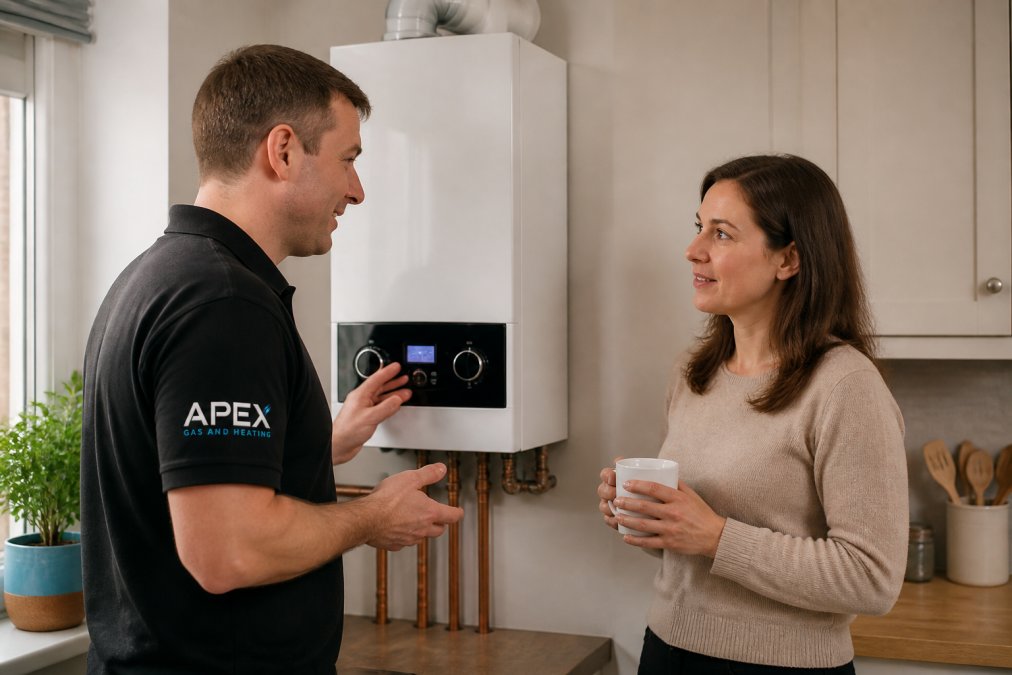
Properties with fuel-burning appliances, particularly older homes across Sussex and Surrey, face genuine risk if they lack proper monitoring.
Early symptoms mimic common illnesses: persistent headaches, fatigue, or nausea that you might dismiss as flu. By the time symptoms become severe enough to warrant hospital attention, significant damage may already have occurred.
Carbon monoxide is produced by any fuel-burning appliance operating in your home. Without detection, poisoning can occur silently while you sleep.
Carbon Monoxide Alarm Regulations in the UK
Building Regulations now mandate CO alarm installation in new buildings and major renovation work where fuel-burning appliances are present. For existing properties, requirements depend on your circumstances as a homeowner, landlord, or tenant.
Landlords face the most stringent obligations. The Smoke and Carbon Monoxide Alarm (Amendment) Regulations 2022 require that a carbon monoxide alarm is fitted in any room with a fixed combustion appliance (excluding gas cookers) in private and social rented homes (legislation.gov.uk). Landlords are also expected to repair or replace alarms once informed that they are faulty. This is a legal requirement backed by enforcement powers, with potential fines up to £5,000 for non-compliance.
For homeowners, Building Regulations recommend CO alarms in rooms with solid fuel appliances (wood stoves, fireplaces) and gas appliances. While homeowners aren’t legally compelled to install them in existing properties, any property with combustion appliances benefits from protection.
Tenants have a right to safe accommodation, which includes protection from carbon monoxide hazards. If your landlord hasn’t installed a detector, you can request one, and if refused, you may have grounds for complaint to local authority enforcement bodies.
Landlords who fail to install carbon monoxide detectors in rental properties face significant legal penalties and potential criminal liability if poisoning occurs. This is a statutory requirement under the Smoke and Carbon Monoxide Alarm (Amendment) Regulations 2022.
Building Regulations specify that electrochemical sensors are the standard for domestic use, detecting carbon monoxide through a chemical reaction that triggers an alarm when CO concentration reaches dangerous levels (gov.uk). These alarms are calibrated to BS EN 50291-1:2018 standards.
The Real Cost of Not Having a Detector
A quality detector costs between £20 and £90 depending on features and sensor type. The cost of a hospital visit for carbon monoxide poisoning begins in the thousands and escalates rapidly if intensive care is required.
If a carbon monoxide incident occurs in a rental property without a detector, you face potential prosecution, unlimited fines, and civil liability claims from affected tenants. Insurance claims may be denied if you failed to meet legal requirements. For homeowners, the reputational and emotional cost of a preventable tragedy is immeasurable.
Properties with documented safety hazards, including lack of carbon monoxide detection, become harder to sell and may see insurance premiums increase or coverage refused entirely. Buyers increasingly ask about safety systems, and a missing CO alarm raises red flags about overall maintenance standards.
Battery-powered detectors require occasional battery replacement (typically every 1-2 years for models with replaceable batteries, though sealed-battery units last the full 10-year sensor lifespan). Mains-powered detectors with battery backup draw minimal electricity. Testing is free, most detectors have a test button you press monthly to verify the alarm sounds.
When you calculate the total cost of ownership against the genuine risk of carbon monoxide poisoning, the financial case becomes overwhelming.
If you operate multiple rental properties across Sussex or Surrey, scheduling [annual detector testing and battery replacement as part of routine maintenance](/2026/08/20/annual-boiler-service-landlords-benefits/) prevents forgotten alarms and ensures consistent compliance.
Best Place to Install Carbon Monoxide Detector
Location determines detector effectiveness. The sensor needs to detect gas before it reaches dangerous concentrations in the rooms where you spend the most time.
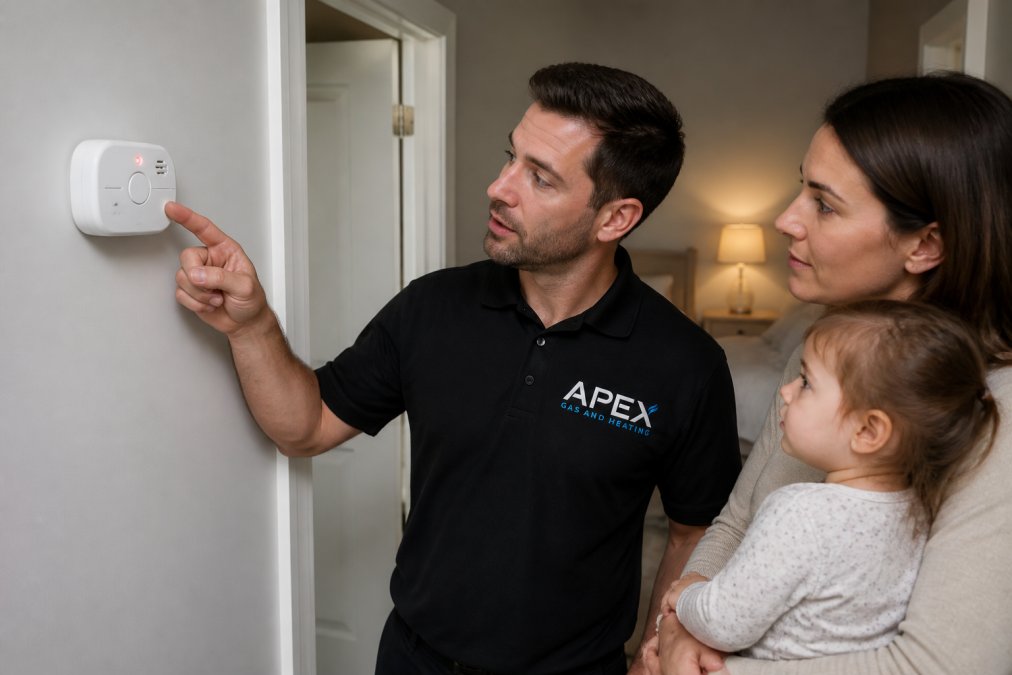
Install your primary detector in a bedroom or living room, any space where you spend extended periods, particularly where you sleep. Position the detector on a wall at eye level or slightly above, roughly 30 centimetres from the ceiling. Never install it directly above a fuel-burning appliance, where it might detect only localised emissions rather than room-wide concentration.
If you have multiple fuel-burning appliances in different areas of your home, consider installing detectors in multiple rooms. A boiler in the kitchen warrants a detector nearby; a fireplace in the living room warrants another.
Avoid placing detectors in kitchens where cooking steam might trigger false alarms, or in bathrooms where humidity could damage the sensor. Keep detectors away from windows, doors, or external walls where drafts might affect sensor accuracy.
For rental properties, position detectors where tenants can access them for testing and battery replacement. Make sure tenants know where the alarm is located and understand how to test it monthly.
Apex Gas & Heating Ltd recommends positioning detectors at the same level where occupants breathe during normal activity. If you’re unsure about optimal placement for your specific property layout, our team can advise during a boiler servicing visit or gas safety inspection.
How Often to Replace Carbon Monoxide Detector
Most modern detectors use electrochemical sensors calibrated to detect carbon monoxide effectively for 10 years (peer-reviewed research). After that period, sensor sensitivity degrades and the detector becomes unreliable.
Sealed-battery units simplify this calculation: replace the entire detector when the 10-year mark arrives. Battery-powered models with replaceable batteries require annual battery replacement (typically AA or 9V cells) but keep the same sensor unit for the full decade. Mains-powered detectors with battery backup also operate on a 10-year sensor replacement cycle.
Many detectors include an end-of-life indicator, a light or chirp that signals when replacement is due. Once the sensor reaches the end of its calibrated life, it’s no longer protecting your property, even if the alarm still sounds during the monthly test.
For landlords managing multiple properties, a documented replacement schedule prevents costly oversights. Record the installation date on each detector and set calendar reminders for the replacement year. Tenants should be informed when their detector is due for replacement, and landlords should arrange replacement promptly as a legal requirement under Gas Safety Regulations.
Testing monthly doesn’t extend sensor life. After 10 years, the sensor simply cannot detect carbon monoxide with the same reliability, regardless of how many times you’ve tested it.
Detector Types and What You Actually Get
Not all carbon monoxide detectors are equal. Understanding the differences helps you choose the right protection for your property.
Battery-Powered Standalone Detectors
These are the most common domestic choice. They operate independently, requiring no installation beyond mounting on a wall or placing on a shelf. Battery-powered models offer portability and work immediately without professional installation.
The FireAngel FA3322 features a 10-year sealed lithium battery and a digital display showing real-time CO levels, temperature, and humidity readings. It also has a pre-alarm function for sustained low-level CO detection.
Battery replacement models cost less upfront but require annual battery changes. Over the 10-year lifespan, battery costs accumulate, and the risk of forgotten replacements increases.
Mains-Powered Detectors with Battery Backup
The Kidde K4MCO is a hardwired system designed for new builds or major renovations. These connect to your home’s electrical supply, eliminating battery concerns, and include a rechargeable battery backup for power cuts. Mains-powered detectors can interconnect, meaning when one alarm triggers, all connected units sound simultaneously, providing comprehensive property-wide protection.
Smart Home Detectors
The Netatmo Smart Carbon Monoxide Alarm and Google Nest Protect (2nd Gen) bring connectivity into the equation. The Netatmo alarm sends smartphone notifications when CO is detected, allowing you to receive alerts even when away from home. The Nest Protect combines smoke and CO detection in a single unit, reducing the number of devices needed.
Smart detectors require internet connectivity to deliver full functionality. If your Wi-Fi fails, the alarm still sounds locally, but you lose remote notification.
Combination Smoke and CO Alarms
The First Alert SCO5UK combines both smoke and carbon monoxide detection in a single device. This simplifies installation for properties requiring both types of protection. The separate audible tones and LED indicators distinguish between smoke and CO events, so you know immediately which hazard you’re facing.
| Detector Type | Battery Life | Key Advantage | Best For |
|---|---|---|---|
| Battery-powered (sealed) | 10 years | Low cost, no maintenance | Most homeowners and rental properties |
| Battery-powered (replaceable) | 10 years (battery annual) | Lower upfront cost | Budget-conscious buyers |
| Mains-powered with backup | Continuous | Interconnectivity, no batteries | New builds, multi-storey homes |
| Smart detector | 10 years | Remote monitoring, smartphone alerts | Tech-savvy homeowners, landlords managing multiple properties |
| Combination smoke + CO | 10 years | Dual protection, single device | Properties needing both smoke and CO detection |
Is a Carbon Monoxide Detector Worth It for Your Home?
Yes. A carbon monoxide detector is not optional for any property with fuel-burning appliances. The cost is trivial compared to the risk.
For homeowners, you’re paying for early warning of a potentially fatal hazard. If you have a boiler, gas cooker, fireplace, or wood-burning stove, carbon monoxide is a genuine risk.
For landlords, the calculation is even clearer. A detector is your first line of defence against catastrophic liability. If a tenant suffers carbon monoxide poisoning in a property without a detector, you face prosecution, unlimited fines, and civil claims.
The type of detector you choose depends on your circumstances. If you rent a single property or own a modest family home, a battery-powered sealed-unit detector from FireAngel, Kidde, or Honeywell covers your needs. If you manage multiple rental properties across Sussex or Surrey, smart detectors or mains-powered interconnected systems justify the higher cost through reduced maintenance burden and better compliance tracking.
False alarms do occur, typically from cooking fumes or steam in poorly ventilated kitchens. This isn’t a reason to avoid detection; it’s a reason to position detectors carefully and understand that occasional false alarms are vastly preferable to missing a genuine emergency.
Installation is straightforward for battery-powered units: mount on a wall at eye level in a room with fuel-burning appliances or where you spend extended time. Mains-powered hardwired systems require professional installation, which Apex Gas & Heating Ltd can provide during a boiler installation or servicing appointment.
Monthly testing takes 10 seconds, press the test button and listen for the alarm. Annual battery replacement takes 2 minutes. After 10 years, replace the entire unit or sensor cartridge depending on your model type.
A carbon monoxide detector is worth the investment for any property with combustion appliances. The investment protects against a silent, potentially fatal hazard. Maintenance is minimal and the peace of mind is invaluable.
Carbon monoxide poisoning is preventable. The difference between a safe home and a tragedy often comes down to a single device. If your property has a boiler, gas heating, or any fuel-burning appliance, detection is essential.
At Apex Gas & Heating Ltd, we ensure every boiler installation and annual servicing includes verification that your carbon monoxide detector is functioning correctly. Our team across Sussex and Surrey can recommend the right detector for your property, install mains-powered systems where needed, and verify compliance with Gas Safety Regulations. If you’re uncertain about your current setup or need professional guidance on detector placement and selection, contact Apex Gas & Heating Ltd for a consultation. Your family’s safety depends on it.
=== FAQ ANSWERS (audit these too, same rules) ===
[1] Q: Do you really need a carbon monoxide detector?
A: Yes, particularly if your home has fuel-burning appliances like boilers, gas cookers, or fireplaces. Carbon monoxide is a silent killer, colourless and odourless, meaning you cannot detect it without a detector. UK building regulations now require CO alarms in many properties. Even in older homes without mandatory requirements, the risk of poisoning from faulty appliances or blocked flues makes a detector a worthwhile safety investment. A professional boiler service can identify issues, but a detector provides continuous early warning.
[2] Q: What are the warning signs of carbon monoxide in a house?
A: Physical symptoms include headaches, dizziness, nausea, confusion, and chest pain, often mistaken for flu. If multiple household members feel unwell simultaneously, suspect CO. A detector will sound an audible alarm at hazardous levels. If you suspect CO exposure, evacuate immediately, ventilate your home, and contact a gas engineer to inspect your fuel-burning appliances.
[3] Q: How quickly does a carbon monoxide detector detect carbon monoxide?
A: Response time depends on CO concentration. At high levels (above 100 ppm), most detectors alarm within 10-40 minutes. At lower concentrations, detection takes longer, typically 1-4 hours at 50 ppm. This is why detectors are calibrated to BS EN 50291-1:2018 standards: they provide early warning before poisoning occurs. Regular testing using the test button confirms your detector remains functional.
[4] Q: Where is the best place to install a carbon monoxide alarm?
A: Install detectors at least 1-3 metres away from fuel-burning appliances, in sleeping areas and living rooms where you spend the most time. Mount them at eye level or slightly higher on walls, never in corners or near windows where air circulation may interfere with sensor accuracy. If you have multiple fuel-burning appliances on different floors, install a detector near each. Avoid kitchens where cooking fumes can cause false alarms. Battery-powered models offer flexibility; mains-powered options require professional installation but provide continuous protection.
[5] Q: How often should you replace a carbon monoxide detector?
A: Replace the entire detector every 7-10 years, depending on the model’s sensor lifespan. Most modern detectors use sealed lithium batteries lasting the full 7-10 years, eliminating battery changes. Some models have replaceable batteries requiring annual checks. An end-of-life indicator (usually a red LED or chirping sound) signals when replacement is needed. Even if the detector appears functional, aged sensors lose calibration accuracy. For rental properties, landlords should maintain records of replacement dates to demonstrate compliance with safety regulations.
Frequently Asked Questions
Q: Do you really need a carbon monoxide detector?
A: Yes, particularly if your home has fuel-burning appliances like boilers, gas cookers, or fireplaces. Carbon monoxide is a silent killer, colourless and odourless, meaning you cannot detect it without a detector. UK building regulations now require CO alarms in many properties. Even in older homes without mandatory requirements, the risk of poisoning from faulty appliances or blocked flues makes a detector a worthwhile safety investment. A professional boiler service can identify issues, but a detector provides continuous early warning.
Q: What are the warning signs of carbon monoxide in a house?
A: Physical symptoms include headaches, dizziness, nausea, confusion, and chest pain, often mistaken for flu. If multiple household members feel unwell simultaneously, suspect CO. A detector will sound an audible alarm at hazardous levels. If you suspect CO exposure, evacuate immediately, ventilate your home, and contact a gas engineer to inspect your fuel-burning appliances.
Q: How quickly does a carbon monoxide detector detect carbon monoxide?
A: Response time depends on CO concentration. At high levels (above 100 ppm), most detectors alarm within 10-40 minutes. At lower concentrations, detection takes longer, typically 1-4 hours at 50 ppm. This is why detectors are calibrated to BS EN 50291-1:2018 standards: they provide early warning before poisoning occurs. Regular testing using the test button confirms your detector remains functional.
Q: Where is the best place to install a carbon monoxide alarm?
A: Install detectors at least 1-3 metres away from fuel-burning appliances, in sleeping areas and living rooms where you spend the most time. Mount them at eye level or slightly higher on walls, never in corners or near windows where air circulation may interfere with sensor accuracy. If you have multiple fuel-burning appliances on different floors, install a detector near each. Avoid kitchens where cooking fumes can cause false alarms. Battery-powered models offer flexibility; mains-powered options require professional installation but provide continuous protection.
Q: How often should you replace a carbon monoxide detector?
A: Replace the entire detector every 7-10 years, depending on the model's sensor lifespan. Most modern detectors use sealed lithium batteries lasting the full 7-10 years, eliminating battery changes. Some models have replaceable batteries requiring annual checks. An end-of-life indicator (usually a red LED or chirping sound) signals when replacement is needed. Even if the detector appears functional, aged sensors lose calibration accuracy. For rental properties, landlords should maintain records of replacement dates to demonstrate compliance with safety regulations.
Leave a Reply