









Table of Contents
- Why Emergency Plumbing Repair Financing Matters
- Emergency Plumber Payment Plans Explained
- Home Emergency Insurance Cover for Plumbing
- Plumbing Repair Cost Breakdown: What You’re Actually Paying For
- Credit Options and Alternatives to Consider
- How to Budget for Future Emergency Repairs
- Getting the Right Help Without Financial Strain
- Frequently Asked Questions
Last Updated: September 27, 2026
When a pipe bursts at midnight or your boiler fails in winter, the last thing you want is financial stress on top of the emergency itself. Yet many homeowners face exactly that dilemma: the repair is urgent, but the cost is substantial. This guide from Apex Gas & Heating Ltd covers the real options available when you need emergency plumbing repair financing options, from payment plans to insurance policies to credit alternatives. Understanding what’s available before crisis hits means you can act decisively when it matters most.
Why Emergency Plumbing Repair Financing Matters
The problem isn’t that emergency plumbing repairs are expensive. It’s that they arrive unannounced, and most households don’t have thousands of pounds sitting in a dedicated emergency fund. When your central heating stops working in January, or a burst pipe floods your kitchen, you need the repair done today, not next month when you’ve saved enough.
That’s where emergency plumbing repair financing options become genuinely valuable. They transform an impossible situation, pay now or suffer serious damage, into a manageable one. Without financing flexibility, homeowners often delay repairs, which costs far more in the long run. A small leak becomes structural damage. A faulty boiler becomes a carbon monoxide risk.
At Apex Gas & Heating Ltd, we work with homeowners who’ve faced this exact choice. The ones who understand their financing options beforehand make clearer decisions under pressure. They’re not choosing between panic and debt; they’re choosing the option that actually fits their circumstances.
Emergency plumbing repairs don’t have to derail your finances. Multiple financing paths exist, payment plans, insurance claims, credit options, and even professional lending products designed specifically for home emergencies.
Emergency Plumber Payment Plans Explained
Many plumbers offer payment plans that let you spread the cost over several months rather than paying everything upfront. This is fundamentally different from credit: there’s no interest charged, and you’re not borrowing from a bank.
How they work is straightforward. After the repair is completed and you receive the invoice, you arrange with the plumber to divide the total into equal instalments. You pay the first instalment immediately, then the rest on an agreed schedule. The plumber carries the cost of the repair until you’ve paid in full, which is why they reserve this option for customers with established payment history or a good credit profile.
The real advantage here is simplicity. You’re not applying for a loan or dealing with interest calculations. You’re negotiating directly with the person who did the work. If you have a trusted relationship with your plumber, or if you’re a landlord with multiple properties needing regular maintenance, payment plans become straightforward to arrange.
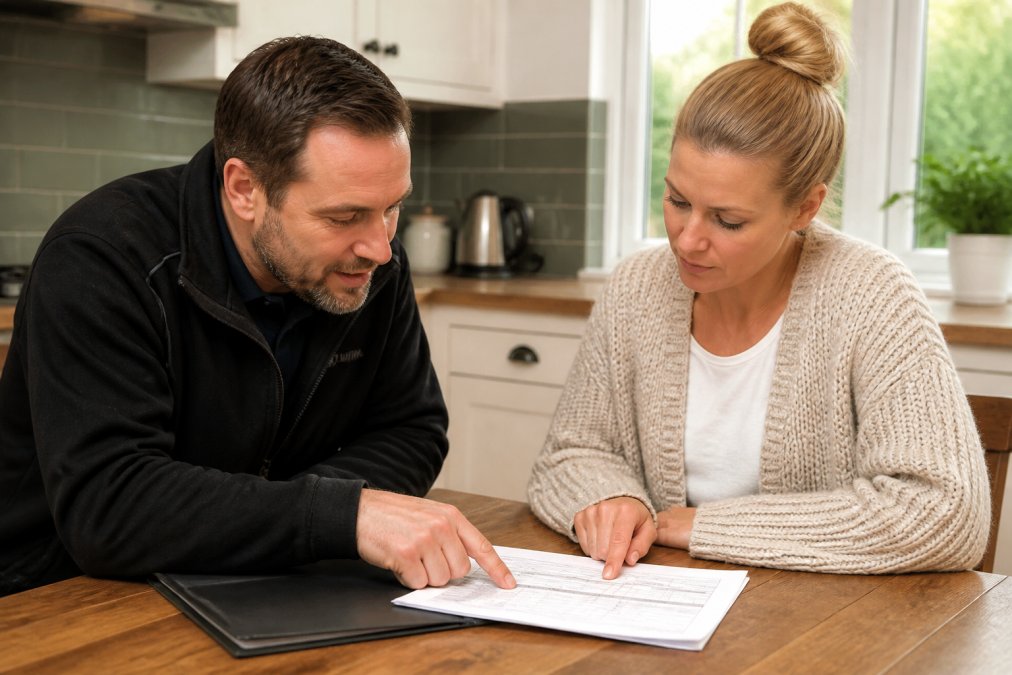
The limitation is that not every plumber offers them, and those who do typically require some proof of creditworthiness. A plumber taking on risk by deferring payment will want assurance you’ll actually pay. This means a credit check, a deposit, or proof of income might be necessary.
When you call Apex Gas & Heating Ltd for an emergency repair, asking about payment plan options is always worth doing. Transparent pricing is part of our approach, and discussing how to spread the cost is a conversation we can have before work begins. However, Apex Gas & Heating Ltd does not offer payment plans directly.
If payment plans are offered, always confirm the exact payment dates and amounts in writing. Misunderstandings about instalments create conflict later. Get it in the invoice or a separate agreement.
Home Emergency Insurance Cover for Plumbing
Home emergency insurance, sometimes called home repair insurance or emergency cover, is a policy specifically designed for exactly this situation. You pay a monthly or annual premium, and if a plumbing emergency occurs, the insurer covers the repair cost (usually up to a limit, like £5,000 or £10,000).
The appeal is obvious: you’re protected against the financial shock. The moment a pipe bursts, you call your insurer, they dispatch an approved engineer, and you pay nothing or a small excess (typically £50-£100).
But there are important details. First, these policies have strict definitions of what counts as an emergency. A slow leak that’s been developing for months might not qualify. A burst pipe from freezing temperatures usually does. Second, they cover the repair itself, but not necessarily the cost of any damage the emergency caused, water damage to flooring, for instance, might be covered under your main home insurance instead.
Third, insurers maintain approved engineer networks. You might not be able to call your preferred plumber; you must use someone on their approved list. For some homeowners, that’s fine. For others, it’s a significant limitation if they’ve built trust with a specific tradesperson.
Many home insurance policies include emergency cover as an add-on for a small additional premium. If you don’t have it, adding it costs relatively little, often £20-£50 per year, and provides genuine peace of mind. The key is reading the policy carefully to understand what’s actually covered.
Home emergency insurance policies have waiting periods. You typically can’t claim within the first 30 days of taking out the policy. If you’re in an older property with known plumbing issues, buy the policy before problems emerge, not after.
Plumbing Repair Cost Breakdown: What You’re Actually Paying For
Understanding what you’re paying for makes it easier to evaluate whether financing is necessary or if the cost is negotiable. Emergency plumbing repair costs break down into several components, and knowing them helps you ask better questions when you get a quote.
Call-out fee or diagnosis charge: This is what you pay for the engineer to arrive, assess the problem, and tell you what’s wrong. It’s typically £80-£150 and is non-refundable even if you decide not to proceed. This covers the plumber’s time, vehicle, and the expertise of identifying the issue. Emergency call-outs (evenings, weekends, bank holidays) often cost more than standard hours.
Parts and materials: The actual components, a new valve, pipe sections, sealant, or a replacement component, vary wildly in cost depending on what’s failed. A simple tap washer costs a few pounds. A new mixing valve costs £200-£400. A new boiler component can cost thousands. This is where quotes differ most between plumbers, because they source parts differently.
Labour: The time spent fixing the problem. This might be a one-hour job or a full day. Labour rates typically run £50-£100 per hour, depending on the complexity and your location. A straightforward repair might be one hour; a significant job might be eight.
Markup or profit margin: Plumbers don’t work at cost. They add a margin to cover their overheads (insurance, vehicles, office staff, training), their profit, and the risk they carry. This is typically 10-30% on top of parts and labour combined.
When you receive a quote from Apex Gas & Heating Ltd or any plumber, it should itemise these elements so you understand what you’re paying for. A quote that just says “£800 to fix the boiler” tells you nothing about whether that’s reasonable.
Always get multiple quotes before committing to a major repair. Quotes from three different plumbers often vary by 20-40%, and understanding why, whether it’s parts sourcing, labour time, or profit margin, helps you make an informed decision.
Credit Options and Alternatives to Consider
When payment plans aren’t available and home emergency insurance doesn’t apply, credit becomes an option. Several types exist, each with different costs and implications.
Credit cards are the fastest option. If you have available credit, you can pay the plumber immediately and repay the card over time. The downside is interest, typically 15-25% annually on unpaid balances. A £2,000 repair paid off over six months on a credit card at 20% interest costs you an extra £200 in interest alone. That’s significant, but for true emergencies, it’s sometimes the least-bad option.
Personal loans from banks or specialist lenders offer fixed interest rates, typically 5-15% depending on your credit score and loan term. A £2,000 personal loan over three years at 8% interest costs roughly £260 in interest, less than the credit card, but you’re locked into a fixed repayment schedule. The advantage is predictability; you know exactly what you’ll pay each month.
Buy now, pay later (BNPL) services have emerged in recent years.
How to Budget for Future Emergency Repairs
The best financing strategy is preventing the need for financing in the first place. Regular maintenance catches small problems before they become expensive emergencies.
Homeowners who budget £100-£200 monthly for maintenance rarely face genuine financial emergencies. Those who defer all spending until something breaks face far higher costs and limited options.
Getting the Right Help Without Financial Strain
When an emergency happens, your first instinct is to call the nearest plumber and pay whatever it costs. That’s sometimes necessary, if your kitchen is flooding, you don’t have time to shop around. But even in emergencies, you have options.
Frequently Asked Questions
Can I pay for emergency plumbing repairs in instalments?
Many plumbing companies, including those offering emergency call-out services, do offer payment plan options for larger repair jobs. Instalments allow you to spread costs over several months rather than paying the full amount upfront. Check with your chosen provider about their specific terms and eligibility criteria before agreeing to any arrangement. Always request a written agreement detailing the payment schedule and any fees.
What should I do if I cannot afford an emergency plumber?
If immediate costs are unaffordable, explore home emergency insurance policies, which often cover urgent plumbing repairs with only a call-out fee. You can also contact plumbers directly to discuss payment plans or staged repairs. Prioritise the most urgent issues first, such as burst pipes or major leaks, and defer cosmetic work. Some local councils or charities may offer assistance for vulnerable households, though eligibility varies.
Does home emergency insurance cover plumbing repairs?
Many home emergency insurance policies do cover plumbing failures, though coverage varies by provider and policy level. Typical policies cover call-out fees and labour for burst pipes, blocked drains, and heating breakdowns, often with a fixed excess. Review your policy documents carefully to understand what’s included, any excess amounts, and whether there are annual limits. Some policies exclude certain types of damage or require membership in advance.
How can I avoid high-interest debt for emergency home repairs?
Build a dedicated emergency fund by setting aside small amounts monthly. Use payment plans offered directly by plumbers rather than credit cards or personal loans. Home emergency insurance is more cost-effective than borrowing for unexpected repairs. If you must borrow, compare rates across providers and avoid high-interest credit options. Preventative maintenance like regular boiler servicing can reduce the likelihood of costly emergency repairs.