








Table of Contents
- What Is Escape of Water and How Does It Affect Your Claim?
- Does Home Insurance Cover Burst Pipes?
- Sudden vs. Gradual Damage: Why the Distinction Matters
- Understanding Trace and Access Cover
- How to Turn Off Your Water Supply in an Emergency
- Steps to Take Immediately After a Pipe Bursts
- How to Make a Claim for Water Damage
- Preventing Burst Pipes in Winter
- Frequently Asked Questions
Last Updated: September 2, 2026
What Is Escape of Water and How Does It Affect Your Claim?
Escape of water is the term insurers use to describe water damage caused by pipes, tanks, or plumbing systems leaking or bursting inside your property. It’s one of the most common claims homeowners file, yet also one of the most misunderstood. Insurers treat escape of water differently depending on how it happened. A sudden pipe burst that floods your kitchen is handled very differently from a slow leak that goes unnoticed for weeks. Most home insurance policies include some form of escape of water cover, but details vary enormously, some cover damage to your property itself, others cover the cost of finding and repairing the leak, and some cover both.
Does Home Insurance Cover Burst Pipes?
What Is Typically Covered
Does home insurance cover burst pipes? Yes, most standard home insurance policies cover sudden and accidental burst pipes. The key word is “sudden.” If a pipe bursts overnight and floods your living room, that’s typically covered. If a pipe has been slowly leaking for months unnoticed, that’s often excluded.
When a burst pipe is covered, your buildings insurance usually pays for:
- Repairing or replacing the damaged pipe
- Fixing structural damage caused by the water (walls, floors, ceilings)
- Replacing damaged plaster, decoration, and finishes
- Emergency drying and dehumidification services
Contents insurance covers damage to your belongings, furniture, carpets, and electronics. However, most policies exclude pipes that freeze and burst if you haven’t taken reasonable precautions. If your loft pipes freeze because you didn’t insulate them, insurers may refuse to pay, arguing you failed to maintain your property.
Common Exclusions and Limitations
Understanding what’s not covered is just as important as knowing what is:
Gradual leaks and seepage. If water has been dripping from a pipe for weeks or months, most policies exclude this entirely. The logic is that you should have noticed it and called a plumber.
Lack of maintenance. If you haven’t serviced your boiler or insulated your pipes, insurers may deny your claim. This is particularly strict for frozen pipes.
Unoccupied properties. If your home has been empty for more than 30 days, escape of water cover often lapses. This catches out landlords and people with second homes.
Negligence. If you knew about a problem and did nothing, the insurer can refuse to pay.
Underground service pipes. The pipes running from the mains water supply to your property are often excluded from standard cover. You typically need separate cover.
Damage from tree roots. If tree roots have damaged your underground pipes, that’s usually excluded.
Sudden vs. Gradual Damage: Why the Distinction Matters
Insurers divide water damage into two categories: sudden and accidental, or gradual and foreseeable.
Sudden damage happens quickly without warning. A pipe bursts. A radiator splits. A washing machine hose ruptures. Your policy almost certainly covers these, assuming you’ve maintained your property reasonably well.
Gradual damage develops over time. A slow leak from a corroded joint. Condensation building up and causing damp. Insurers routinely reject these claims, arguing you should have spotted the problem earlier.
The line between sudden and gradual isn’t always clear. A pipe might have been corroding for years before it finally splits. In practice, if you can show the damage happened without warning, you’re likely covered. If there were warning signs you missed, you’re likely not covered.
The best protection is to keep records. If a pipe bursts, take photos immediately. Document what you did to maintain your property. If you’ve had your boiler serviced regularly, keep the service certificates. These records can be the difference between a claim being accepted and rejected.
Understanding Trace and Access Cover
Trace and access cover is an optional add-on that many people don’t realise they need. It covers the cost of finding a leak and accessing it, even if the leak itself isn’t covered.
You notice damp on your living room wall. A plumber investigates and discovers a leak in a pipe running inside the wall cavity. To access and repair that pipe, the plumber must cut into the wall, locate the pipe, fix it, and make good the damage. The cost can easily run into hundreds of pounds.
Standard escape of water cover pays for repairing the pipe and the water damage it caused, but often doesn’t pay for finding and accessing it. Trace and access cover pays for leak detection, cutting into walls or floors to access the pipe, and making good the damage caused by accessing the leak.
Without this cover, you’re responsible for access costs yourself. If you have an older property or pipes running through walls and cavities, trace and access cover is worth serious consideration.
How to Turn Off Your Water Supply in an Emergency
When a pipe bursts, the first thing you need to do is stop the water flowing. Every minute the water runs, more damage occurs. Knowing where your stopcock is and how to turn it off can prevent hundreds of pounds of additional damage.
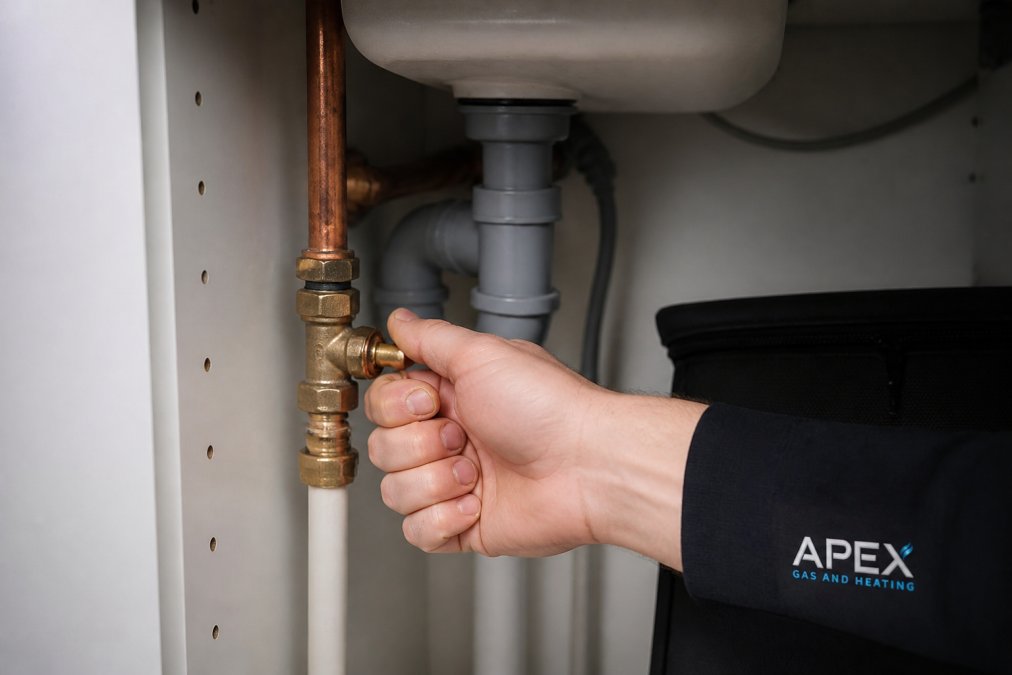
Your stopcock (also called a stop valve or shut-off valve) controls water flow into your entire property. Most stopcocks are located under the kitchen sink, but some are in the bathroom, utility room, or under the stairs.
To find your stopcock:
- Check under the kitchen sink first
- Look in the bathroom under the sink or behind the toilet
- Check the utility room or cupboards near water pipes
- If you can’t find it, contact your water company
Once found, turn it clockwise (to the right) until it stops. The water supply to your home will stop immediately. If you can’t locate your stopcock or it’s jammed, you can turn off the water at the meter instead, usually located outside your property near the boundary.
Many people also fit isolation valves on individual pipes, for example, under the kitchen sink or near the boiler. These allow you to turn off water to just that area without shutting off the whole house.
Steps to Take Immediately After a Pipe Bursts
The moments after a pipe bursts are critical. Your actions in the first hour can significantly reduce the damage and protect your insurance claim.
Step 1: Turn off the water supply. Locate your stopcock and turn it off immediately.
Step 2: Turn off your heating. If your heating system is flooded, turn off your boiler and heating system. Never attempt to reset a boiler that’s been flooded.
Step 3: Open windows and doors. Get air flowing through the property to start the drying process and prevent mould and damp.
Step 4: Move furniture and belongings away from the water. Wet items left in place will develop mould and become permanently damaged.
Step 5: Take photographs. Before you clean anything up, take photos and videos of all the damage. Photograph the burst pipe itself, the flooded areas, and any damaged belongings.
Step 6: Contact your insurance company. Call your insurer as soon as possible. Don’t wait until you’ve cleaned up or had repairs done. Your insurer may want to send a loss adjuster to assess the damage before any work is carried out.
Step 7: Call a qualified plumber. If the pipe is still leaking or you’re unsure it’s safe, call a plumber immediately. At Apex Gas & Heating Ltd, we offer 24/7 emergency plumbing services across Sussex and Surrey, so you don’t have to wait until Monday morning.
Step 8: Keep records of everything. Keep receipts for any emergency repairs, temporary accommodation costs, or cleaning services. Your insurer will need these to assess your claim.
How to Make a Claim for Water Damage
Making an insurance claim for water damage follows a standard process, but the details matter enormously.
Notify your insurer immediately. Call your insurance company as soon as you discover the damage. Most insurers have a 24-hour claims line. The sooner you notify them, the sooner they can begin the assessment process.
Provide a detailed account of what happened. Explain exactly what happened and when. Was it sudden or gradual? Did you notice any warning signs beforehand? The answers significantly affect whether your claim is accepted.
Submit photographs and video evidence. Send photos and videos of the damage as soon as possible, including wide shots and close-ups.
Provide a list of damaged items. Create a detailed list of what’s been damaged or destroyed, including the age of each item and what you paid for it. For expensive items, provide receipts if you have them.
Keep all receipts and quotes. If you need emergency repairs, get quotes from multiple plumbers before choosing one. Keep all receipts for work done, materials purchased, and temporary accommodation if you’ve had to move out.
Be honest about maintenance. If you’ve had your boiler serviced regularly, say so and provide certificates. Dishonesty about maintenance is grounds for claim rejection.
Don’t agree to a settlement you’re unhappy with. If the loss adjuster’s assessment seems too low, you can challenge it. Get your own quotes for repairs and provide them to your insurer.
Consider using a loss adjuster or claims specialist. For large claims, it’s often worth paying for an independent loss adjuster or claims specialist to represent you. They understand insurance policies and can often negotiate a higher settlement.
Preventing Burst Pipes in Winter
Winter is when most burst pipes occur. Freezing temperatures cause water in pipes to expand, putting pressure on the pipe walls. The good news is that burst pipes are largely preventable with proper preparation.
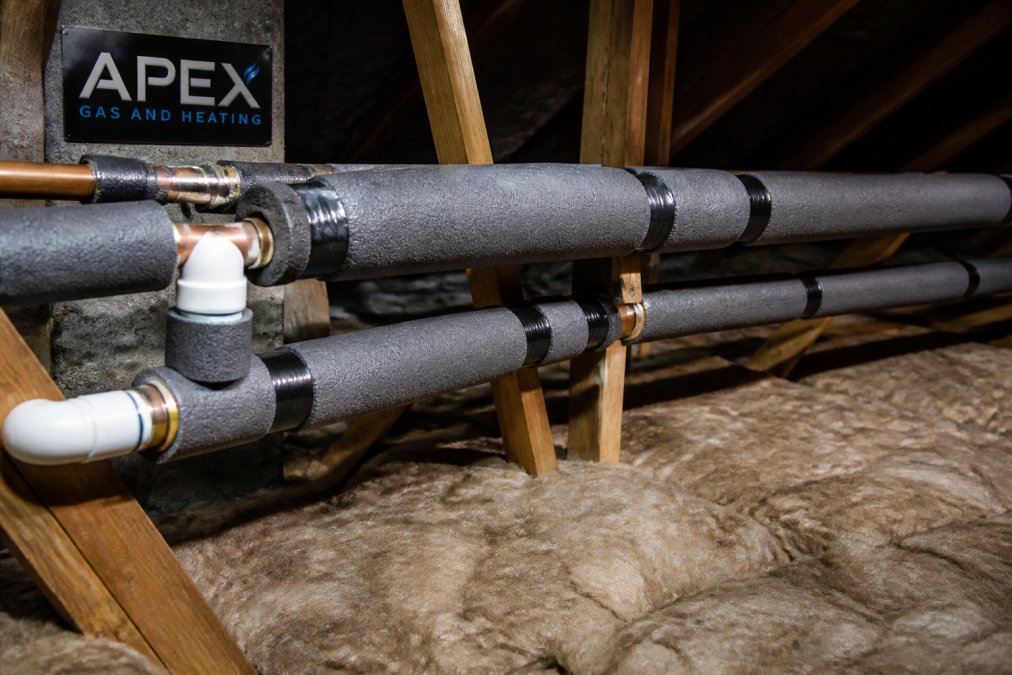
Insulate your pipes. This is the single most effective way to prevent frozen pipes. Foam pipe insulation is cheap, easy to install, and very effective. Focus on pipes in unheated areas: loft pipes, pipes in the garage or shed, external pipes, pipes in the basement, and any pipes exposed to cold air.
Keep your heating on. If you’re away during winter, don’t turn your heating completely off. Set it to a low temperature (around 13-15°C) to keep pipes warm enough that water doesn’t freeze.
Bleed your radiators. Air trapped in radiators prevents hot water from circulating properly, which can cause pipes to freeze. Bleeding radiators improves circulation and helps keep pipes warm.
Drip your taps in freezing weather. On very cold nights, let cold taps drip slightly. Moving water is less likely to freeze than static water.
Leave cabinet doors open. Pipes under sinks are exposed to cold air from outside walls. Leaving cabinet doors open allows warm air from the house to reach these pipes.
Maintain your boiler. A well-maintained boiler heats your home more efficiently, which helps keep pipes warm. At Apex Gas & Heating Ltd, we offer annual boiler servicing to keep your heating system in peak condition and help prevent frozen pipes.
Check your water pressure. High water pressure puts extra stress on pipes, making them more likely to burst. A plumber can install a pressure-reducing valve if needed.
Know where your stopcock is. Even with prevention, pipes can still burst. Knowing where your stopcock is and being able to turn it off quickly can limit the damage.
Burst pipes are one of the most expensive emergencies homeowners face, but also one of the most preventable. Understanding what your insurance covers, taking simple precautions before winter, and knowing what to do if a pipe bursts can save you thousands of pounds and months of disruption. If you need emergency plumbing assistance or want to discuss preventative measures for your property in Crawley or across Sussex and Surrey, Apex Gas & Heating Ltd provides 24/7 emergency plumbing services. Our qualified plumbers can assess your property, recommend insulation upgrades, and respond immediately if a pipe bursts. Get a quote today and protect your home against water damage.
| Prevention Method | Best For | Effectiveness |
|---|---|---|
| Pipe insulation | Loft and external pipes | Very high |
| Low heating in winter | Properties left unoccupied | High |
| Radiator bleeding | Improving circulation | Medium |
| Pressure-reducing valve | High water pressure areas | High |
| Trace and access insurance | Older properties with hidden pipes | High (financial protection) |
Frequently Asked Questions
Can I claim on house insurance for a burst pipe?
Most buildings insurance policies cover burst pipes under the ‘escape of water’ section, provided the damage is sudden and accidental rather than caused by neglect or gradual wear. However, you must act quickly to minimise damage, document the incident thoroughly, and notify your insurer promptly. Check your policy documents for specific exclusions, some insurers exclude claims if pipes weren’t adequately insulated or if your property was left unoccupied for extended periods.
What should I do immediately if a pipe bursts in my home?
First, locate your stopcock and turn off the water supply immediately, this is the most critical step. Next, drain the system by opening all taps and flushing toilets. Move belongings away from the affected area to prevent further damage. Document everything with photographs and notes about when you discovered the burst. Contact your insurer as soon as possible and keep all receipts for emergency repairs. If you’re unsure how to turn off your water supply, contact an emergency plumber straightaway.
Does home insurance cover the cost of finding the leak?
Trace and access cover is a specialist add-on that pays for the cost of locating hidden leaks within your plumbing system, often the most expensive part of water damage claims. Standard buildings insurance typically does not include this, so you may face substantial bills for leak detection if your pipes are buried or concealed. Many insurers offer trace and access cover as an optional extra, so it’s worth reviewing your policy or asking about it when renewing. Without this cover, you could be liable for hundreds of pounds in detection costs alone.
What is the difference between escape of water and accidental damage cover?
Escape of water covers damage caused by water leaking from your plumbing system, heating system, or appliances, such as burst pipes, leaking radiators, or faulty washing machines. Accidental damage cover is broader and includes unintended damage from other sources, such as knocking over a paint tin or accidentally flooding a room. Escape of water is usually included in standard buildings insurance, whereas accidental damage is typically an optional add-on. Understanding this distinction helps you know what your policy actually covers and whether you need additional protection.