







Table of Contents
- What Counts as a Plumbing Emergency
- Immediate Stop-Gap Measures Before Help Arrives
- Verify Gas Safe Registration and Credentials
- Understanding Emergency Plumbing Call-Out Fees
- Key Questions to Ask Before Booking
- How to Find Reliable Emergency Plumbers in Your Area
- What to Expect From a Trustworthy Emergency Service
- Conclusion
Last Updated: August 22, 2026
What Counts as a Plumbing Emergency
A plumbing emergency is any issue that threatens your property’s safety, comfort, or structural integrity and requires immediate attention. The distinction matters because not every plumbing problem demands a 24-hour callout, understanding what truly qualifies helps you avoid unnecessary emergency charges and respond appropriately when time genuinely is critical.
Common plumbing emergencies include burst pipes, which can flood your home within minutes and cause thousands in water damage. Severe leaks from under-sink pipes, toilet overflows that contaminate living spaces, and complete loss of water supply also fall into this category. Gas-related issues, such as suspected gas leaks detected by smell or audible hissing, demand immediate professional attention for safety reasons. Blocked drains that back sewage into your home pose health hazards and require urgent intervention.
Less urgent issues include minor dripping taps, slow-draining sinks, or a single running toilet, these can usually wait for a standard appointment during business hours. The key question: is this problem getting worse by the hour, or is it manageable overnight? If your answer is the former, you likely need an emergency plumber.
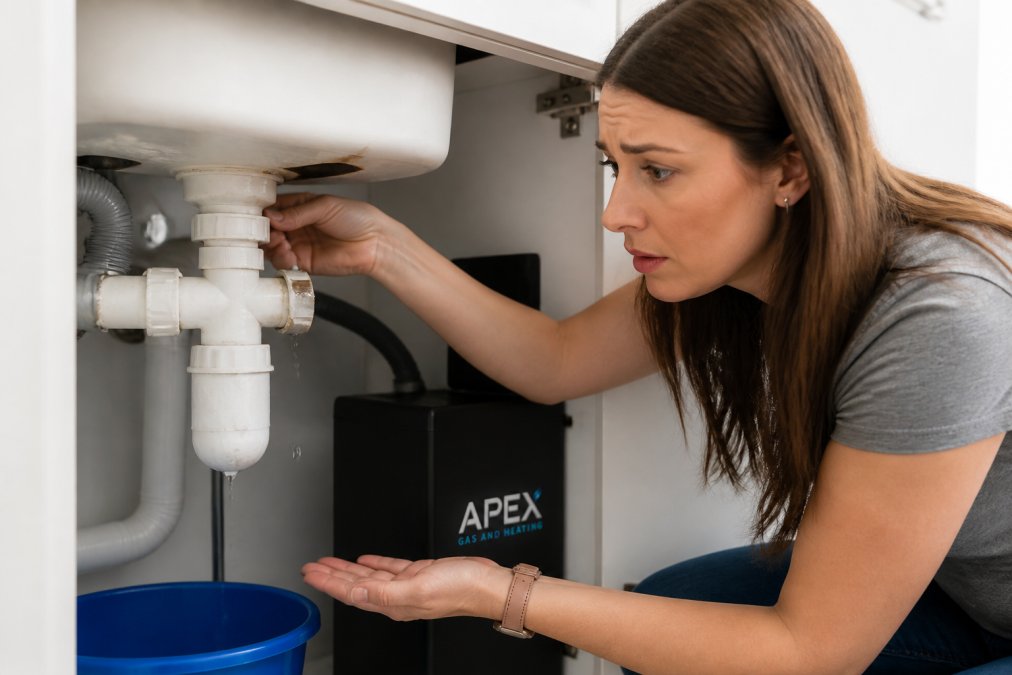
When you contact an emergency plumbing service, they’ll ask specific questions to assess urgency. Be ready to describe the issue clearly: where the problem is, how long it’s been happening, and whether water is actively escaping. This information helps the dispatcher prioritise your call and dispatch the right engineer with appropriate tools.
Immediate Stop-Gap Measures Before Help Arrives
The minutes between discovering a plumbing emergency and the engineer arriving are crucial. Taking swift action can prevent catastrophic water damage and reduce repair costs significantly.
Locate and shut off your water supply immediately. Every home has a stopcock, usually under the kitchen sink, in the bathroom, or near the water meter. Turn it clockwise to stop water flowing to the affected area or the entire house. If you’ve never found your stopcock, locate it now before an emergency happens. Knowing its exact position could save you thousands in damage.
For burst pipes or severe leaks: Turn off the water supply first, then open taps to drain remaining water from the system. Place towels or buckets under the leak to contain water and protect flooring. If water is near electrics, switch off the relevant circuit breaker at your consumer unit.
For toilet overflows: Stop water entering the cistern by lifting the float arm or turning off the isolation valve (usually found on the pipe entering the toilet). Use a plunger if the blockage is minor, or mop up excess water with towels.
For suspected gas leaks: Do not use electrical switches, naked flames, anything that might create a spark. Open windows for ventilation, evacuate the property, and call your gas supplier’s emergency line immediately, this takes priority over calling a plumber.
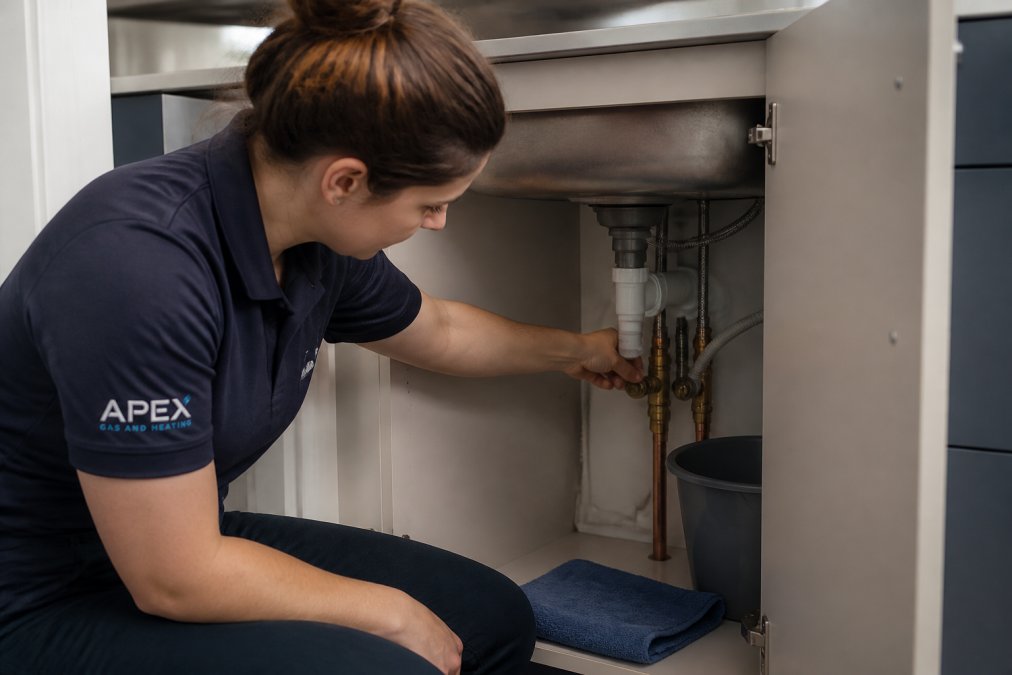
Document the damage with photos if it’s safe to do so. This helps your insurance claim and gives the engineer context when they arrive. Turn off heating if water has affected electrics or boilers, never assume wet electrics are safe.
Verify Gas Safe Registration and Credentials
When an emergency plumber arrives at your door, you need absolute confidence they’re qualified and legitimate. Gas Safe registration is the legal requirement in the UK for anyone working with gas appliances or pipework, it’s not optional, and it’s not a suggestion.
Gas Safe registration is mandatory (gassaferegister.co.uk). Any engineer working on gas boilers, pipework, or appliances must be on the Gas Safe Register. You can verify this instantly online at the Gas Safe Register website by entering the engineer’s name or their registration number. Legitimate engineers carry a Gas Safe ID card, ask to see it before work begins. The card displays their name, registration number, and the specific categories they’re qualified to work on.
Public liability insurance is equally essential. This protects you if the engineer causes accidental damage to your property during repairs. Request evidence of current insurance before work starts, a certificate or policy document. Reputable services carry full public liability insurance as standard, giving you peace of mind.
Beyond Gas Safe registration, check whether the engineer holds qualifications specific to your boiler brand. Worcester and Glowworm boilers, for example, have approved installer networks. Approved installers receive manufacturer training and can offer extended warranties on work. Ask directly: "Are you an approved installer for this boiler brand?" If they hesitate or can’t confirm, that’s a red flag.
Request references from previous customers if you’re unsure. Trustworthy emergency plumbers have no problem providing contact details for recent jobs. A quick call to a previous customer takes five minutes and confirms whether the service delivered what it promised.
Understanding Emergency Plumbing Call-Out Fees
Emergency call-out fees vary, and understanding the structure helps you budget and avoid surprises. Most emergency services charge a callout fee, which covers the engineer’s time to attend, diagnose the problem, and provide a quote for repairs.
The callout fee typically covers the first 30 to 60 minutes of work. After that, you’re charged hourly rates for labour, plus the cost of parts and materials. Some services include a fixed callout fee regardless of how quickly they resolve the issue; others charge hourly from the moment they arrive. Ask which model applies before they begin work.
Parts and materials are charged separately from labour. Professional plumbing services provide transparent pricing upfront, so you know exactly what you’re paying for before work starts, no hidden charges or surprise invoices.
Weekend and late-night premiums are common. Calling out an engineer at 2 a.m. on a Sunday costs more than a Monday morning appointment. Some services charge more for out-of-hours work. Budget accordingly if you’re calling during unsociable hours, though genuine emergencies obviously can’t wait.
Always ask for a quote before authorising repairs. Reputable emergency plumbers will diagnose the problem, explain what needs fixing, and provide a price. If the quote seems high, ask why, sometimes the cost reflects the urgency and complexity, sometimes it reflects the service’s pricing model. Compare quotes from multiple providers if you have time, but don’t delay treatment for a genuine emergency waiting for cheaper quotes.
Key Questions to Ask Before Booking
The conversation with an emergency plumber sets expectations and filters out unreliable operators. These questions reveal whether you’re dealing with a professional service or an opportunist.
"How quickly can you attend?" Legitimate emergency services promise specific response times, typically 1 hour or less. If they say "sometime today" or "probably within a few hours," they’re not operating a true emergency service. A 24/7 emergency call-out service guarantees rapid response, which matters when water is actively damaging your home.
"Will you provide a quote before starting work?" Professional plumbers diagnose the problem, explain what’s wrong, and quote the repair cost before touching anything. If they refuse to quote upfront or insist on starting work immediately without explanation, walk away. Even in emergencies, a five-minute conversation about costs is reasonable.
"Are you Gas Safe registered?" This is non-negotiable for any gas or boiler work. They should answer confidently and offer to show their card. Hesitation or vagueness is a warning sign.
"What’s included in your callout fee?" Does it cover 30 minutes of diagnosis? An hour? Is there a minimum charge if the job takes less time? Understanding this prevents disputes later.
"Do you offer any guarantee on your work?" Reputable services guarantee their labour for a period, typically 12 months. If they won’t guarantee work, question why.
"Can you provide references from recent customers?" A genuine emergency service has happy customers willing to vouch for them. If they can’t or won’t provide references, that’s suspicious.
"Are you insured?" They should confirm public liability insurance without hesitation. Ask to see the certificate if you’re uncertain.
These questions take two minutes but reveal a lot about professionalism and reliability.
How to Find Reliable Emergency Plumbers in Your Area
Finding a trustworthy emergency plumber before you need one is smarter than searching frantically when disaster strikes. A few practical strategies separate reliable operators from cowboys.
Start with local recommendations. Ask neighbours, friends, and family who they’ve used for emergency plumbing. Personal referrals carry weight because they’re based on real experience. If three people independently recommend the same plumber, that’s strong evidence of reliability.
Check online reviews carefully. Google, Trustpilot, and local business directories publish customer feedback. Read recent reviews, not just the star rating, but what customers actually say. Look for patterns: do multiple reviews mention fast response times, fair pricing, and professional behaviour? Or do complaints centre on hidden charges and poor workmanship? A service with dozens of five-star reviews and a handful of one-star complaints is normal; a service with mostly negative feedback is not.
Verify credentials online. Visit the Gas Safe Register and search for the plumber’s name or registration number before booking. This takes 30 seconds and confirms they’re legitimate. Check their website for evidence of insurance, qualifications, and service guarantees.
Ask about their local area coverage. Some emergency services cover specific postcodes; others operate across wider regions. Confirm they service your location and understand typical response times for your area. Local teams that know the region well, such as those serving Crawley and across Surrey, provide consistent 24/7 availability.
Interview multiple services. Call three or four emergency plumbers and compare their answers to the questions outlined above. Note their response times, pricing transparency, and willingness to explain their service. The one that sounds most professional and confident is usually your safest bet.
Prepare a shortlist before emergencies happen. Save the contact details of two or three reliable emergency plumbers in your phone. When a crisis occurs, you can call immediately rather than searching online under stress. This decision-making in advance leads to better choices than panic-driven calls.
What to Expect From a Trustworthy Emergency Service
Understanding what professional emergency plumbing looks like sets realistic expectations and helps you spot red flags.
A trustworthy service answers your call promptly, ideally within minutes during business hours, and within a reasonable timeframe at night or weekends. They listen carefully to your description of the problem and ask clarifying questions. They provide an honest assessment: "This needs immediate attention" or "This can wait until morning." They don’t manufacture urgency to justify high charges.
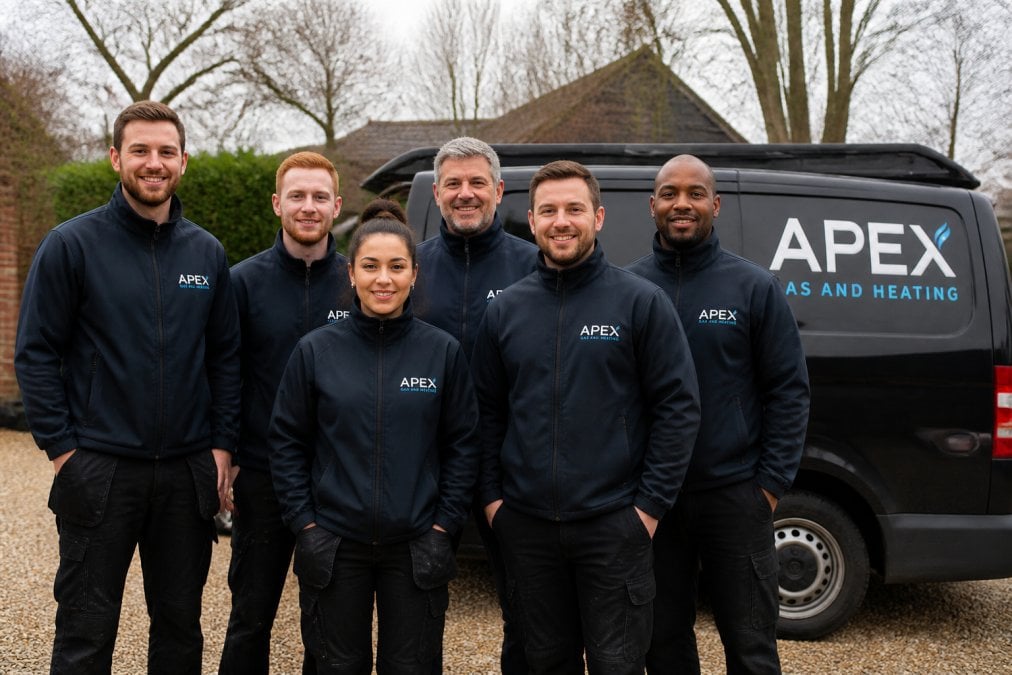
The engineer arrives within their quoted response time, properly equipped and in professional attire. They introduce themselves, confirm your address, and explain what they’ll do before starting work. They protect your property, laying down coverings before working on pipes, using appropriate tools, and cleaning up afterwards.
They diagnose the problem systematically. A good plumber explains what’s wrong in language you understand, not technical jargon designed to confuse. They show you the problem if possible, pointing out the burst pipe, the blocked drain, or the faulty valve. They explain why it happened and what options exist to fix it.
They provide a written quote before proceeding, unless you’ve explicitly authorised them to start work immediately (rare, even in emergencies). The quote itemises labour costs, parts, and any additional charges. They answer questions about the quote without becoming defensive.
They complete the work efficiently and test it thoroughly. A toilet repair isn’t finished until they’ve flushed it multiple times and confirmed it operates correctly. A burst pipe repair isn’t done until they’ve checked for leaks and confirmed water pressure is normal.
They provide documentation, a receipt, an invoice, details of parts installed, and any guarantees on their work. They leave contact details for follow-up questions or future service needs.
Throughout the process, they communicate clearly. They don’t disappear for hours without explanation. They update you on progress and flag any complications that might affect cost or timeline. This transparency builds trust and prevents unpleasant surprises.
Finding a reliable emergency plumber in your area means preparing before crisis strikes. Verify Gas Safe registration, check references, compare response times, and build relationships with local services you trust. When an emergency does occur, and for many homeowners, it will, you’ll have confidence in who you’re calling. A professional team offering 24/7 emergency call-out service with transparent pricing and qualified engineers means you can respond to plumbing emergencies with professional support and peace of mind. Get a quote today and add a reliable emergency contact to your phone.
Frequently Asked Questions
Q: How do I verify if a plumber is Gas Safe registered?
A: Check the Gas Safe Register online using the engineer's name or company registration number. Gas Safe registration is a legal requirement for anyone working on gas appliances or pipework. Ask the plumber directly for their registration number before booking, and cross-reference it on the official Gas Safe website. Never hire someone who cannot provide proof of current registration, as this indicates they are not qualified to work on gas systems safely.
Q: What should be included in a plumbing emergency checklist?
A: Your plumbing emergency checklist should include: locating and turning off your main water stopcock, identifying the affected area, checking for visible damage or leaks, documenting the problem with photos, noting the time it started, and gathering information about your property's age and previous plumbing issues. Have this information ready when you call an emergency plumber, it helps them assess the severity and arrive prepared with the right tools and parts.
Q: What are typical emergency plumbing call-out fees?
A: Emergency plumbing call-out fees vary depending on the time of day, location, and complexity of the problem. Most emergency services charge a call-out fee to attend your property, with additional charges for labour and materials. Pricing depends on the specific issue, your location within the region, and whether the repair can be completed during the first visit. Always ask for a transparent quote before work begins, and confirm whether the call-out fee is deductible from the final invoice if you proceed with repairs.
Q: What questions should I ask an emergency plumber over the phone?
A: Ask: How long until they can arrive? What is the call-out fee? Are they Gas Safe registered? Do they have public liability insurance? Can they provide a quote before starting work? What payment methods do they accept? Are they local to your area? Have they dealt with your type of problem before? Can they guarantee their work? These questions help you assess reliability, confirm credentials, and understand costs before committing.
Leave a Reply